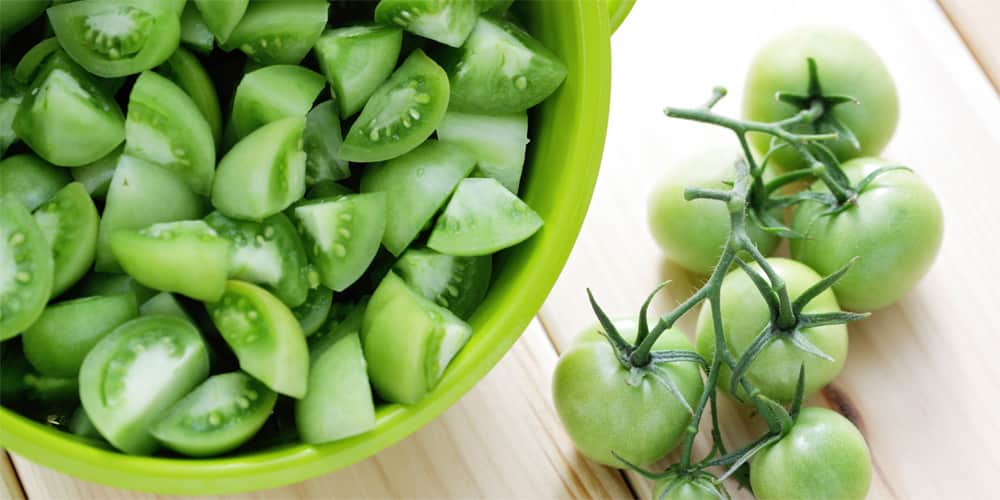
Can You Eat Green Tomatoes

For many home gardeners and adventurous cooks, the unripe, green tomato is more than just a gardening leftover—it is a culinary treasure awaiting discovery. While the deep red...
For many home gardeners and adventurous cooks, the unripe, green tomato is more than just a gardening leftover—it is a culinary treasure awaiting discovery. While the deep red, sun-warmed fruit is celebrated for its sweetness, the firm, tart green tomato offers a completely different but equally valuable experience. Its key purpose is to extend the season’s bounty, allowing you to enjoy the garden’s harvest well before the first frost, and to add a bright, tangy crunch that ripe tomatoes simply cannot provide.
The answer to the core question is a definitive yes—you can eat green tomatoes, but with one crucial caveat: they must be prepared properly. Unlike their ripe counterparts, green tomatoes are highly acidic and contain solanine, a natural compound that can cause stomach upset if eaten raw in large quantities. However, cooking neutralizes this compound, making them not only safe but deliciously versatile. Think of them as a vegetable cousin to the ripe tomato—bold, firm, and perfect for heat-based cooking.
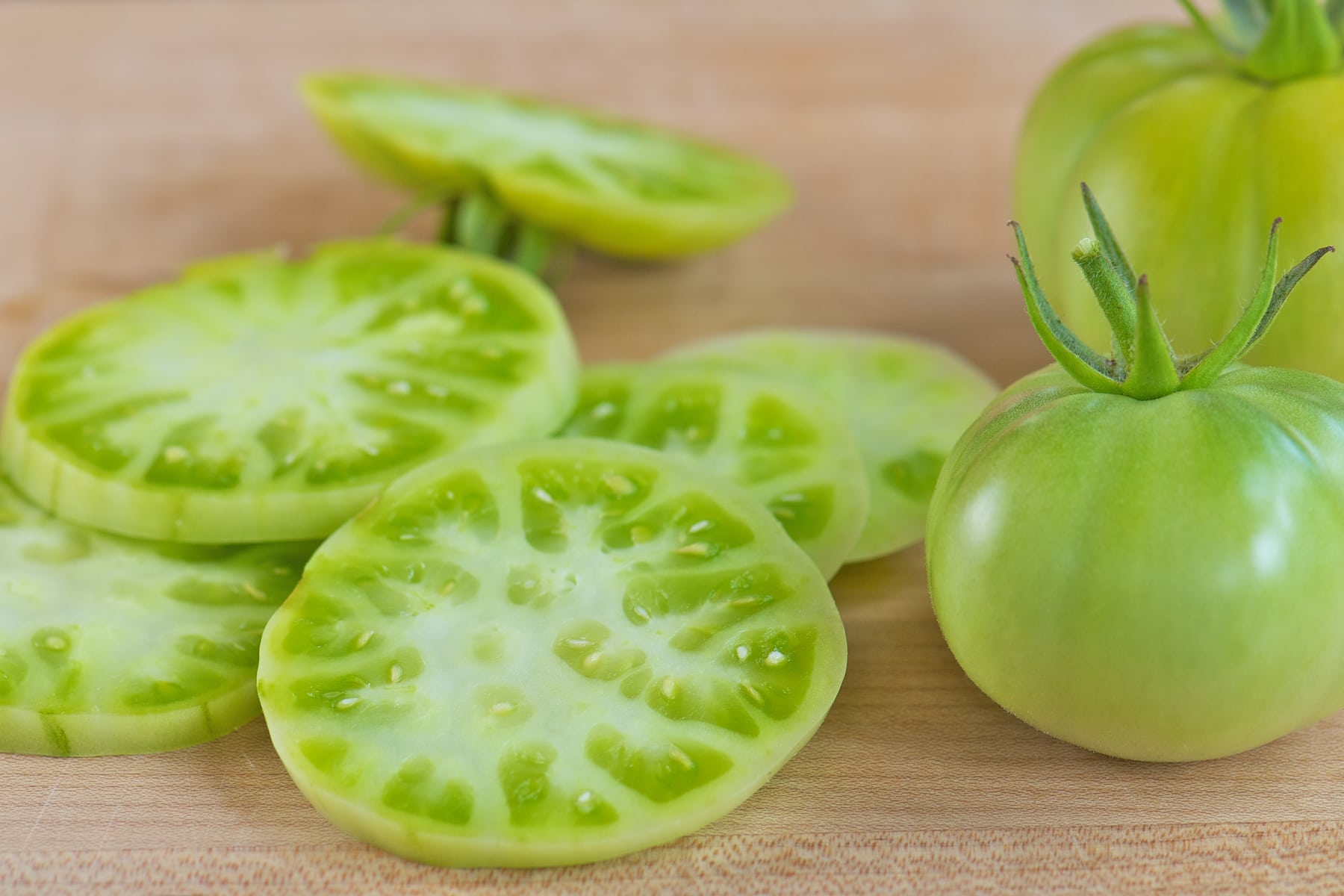
The most famous benefit of green tomatoes is their contribution to everyday meal variety. Imagine a rainy autumn afternoon: instead of a bland side dish, you slice firm green tomatoes, dip them in seasoned cornmeal, and pan-fry them until golden and crispy. The result is a satisfying contrast—a crunchy exterior giving way to a tangy, slightly sour interior. This classic Southern dish turns a potential garden waste into a beloved comfort food that pairs wonderfully with fried chicken or a simple salad.
Must Read
Beyond frying, green tomatoes shine in other practical roles. They are excellent for pickling, retaining their texture and absorbing brines infused with dill, garlic, or mustard seeds. A jar of pickled green tomatoes can brighten a charcuterie board or add a sharp kick to a sandwich for months. They also work well in relishes and chutneys, where their acidity balances the sweetness of onions and sugar, creating a condiment that elevates grilled meats and cheeses.
For those eager to experiment, try this simple tip: roast green tomatoes at 400°F (200°C) with olive oil and salt until they soften and caramelize. Roasting mellows their sharpness and brings out a surprising, savory sweetness. Another easy method is to slice them thinly and layer them on a pizza or flatbread—their firmness means they won’t turn the dough soggy, and they provide a bright pop of acidity against rich mozzarella and pepperoni.
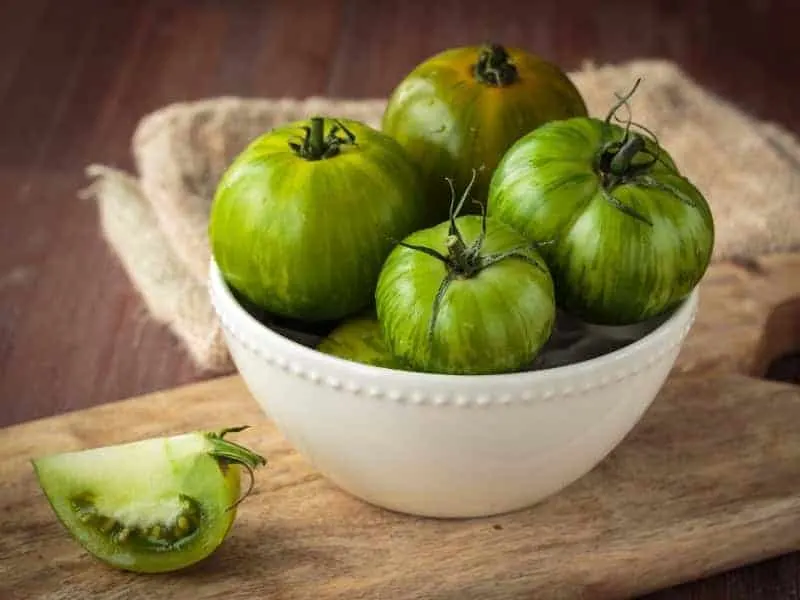 Can You Eat Green Tomatoes Raw? (Answered)
A final note: always wash your green tomatoes thoroughly and remove any stems or damaged spots. If you grow your own tomatoes, pick them when they are fully formed but still completely green—usually late in the season. They should feel heavy and firm to the touch. Remember that some varieties, like green-when-ripe heirlooms, are not the same; stick with the unripe fruits of common red varieties for the best texture and tang.
In conclusion, green tomatoes are a safe, flavorful, and resourceful ingredient that deserve a place in your kitchen. By embracing their tartness and firm texture, you reduce food waste, stretch your harvest, and unlock a world of crunchy, pickled, and roasted possibilities. So next time you see a green tomato, don’t discard it—cook it and discover a new favorite.