Can You Eat Raw Potatoes

Let’s be honest, few kitchen questions spark as much casual debate as whether you can actually eat a raw potato. It’s one of those wonderfully practical topics, perfect for se...
Let’s be honest, few kitchen questions spark as much casual debate as whether you can actually eat a raw potato. It’s one of those wonderfully practical topics, perfect for settling a friendly argument or satisfying a sudden snack craving. Why do we love talking about it? Because it cuts to the heart of what we think we know about food. We happily crunch on raw carrots, but a raw spud feels almost rebellious. This article is here to turn that curiosity into clarity. It’s for the meal prepper wondering about a quick bite, the health-conscious eater exploring new textures, and the adventurous cook who simply wants to know, “What happens if I try?” The main purpose is simple: give you the straight facts, so you can make a smart, safe choice next time you’re staring at a raw potato.
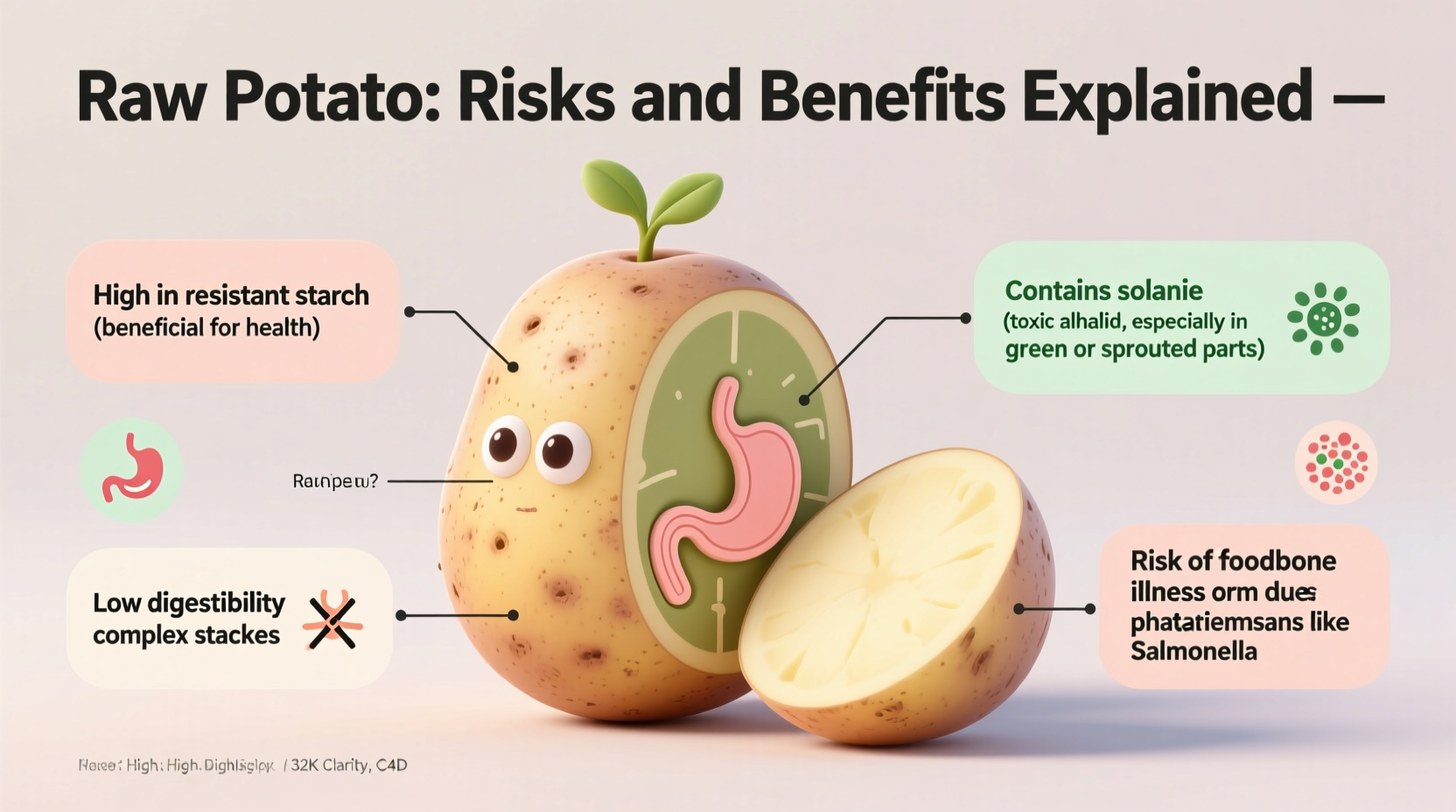
First, the big question: Can you eat a raw potato? The short answer is yes, but with important caveats. Your body can digest a raw potato, but it’s not the same experience as eating a cooked one. The starches in a raw potato are raw starches, which are much tougher on your digestive system. Think of it like trying to chew a piece of chalk compared to a fluffy baked potato. Some people, particularly those into the “carnivore” or “raw food” movements, do consume them regularly for their resistant starch content, which can act as a prebiotic for gut health. For most of us, though, a small taste is fine, but a whole raw potato might lead to a gurgly, uncomfortable stomach.
What about taste and texture? Here’s the honest scoop: they are not delicious. A raw potato is dense, crunchy like an apple, but with a distinctly earthy, slightly bitter, and starchy flavor. There’s a reason we roast, boil, or fry them. Common variations you might see include people slicing them super thin for a crunchy salad (like a German potato salad without the boil) or grating them into a raw slaw. Some adventurous folks even peel and eat them like a stick of celery. But be warned—that bitterness comes from natural compounds called glycoalkaloids, especially solanine, which can be toxic in large amounts. Green or sprouted potatoes have the highest levels, so never eat those raw.
Must Read
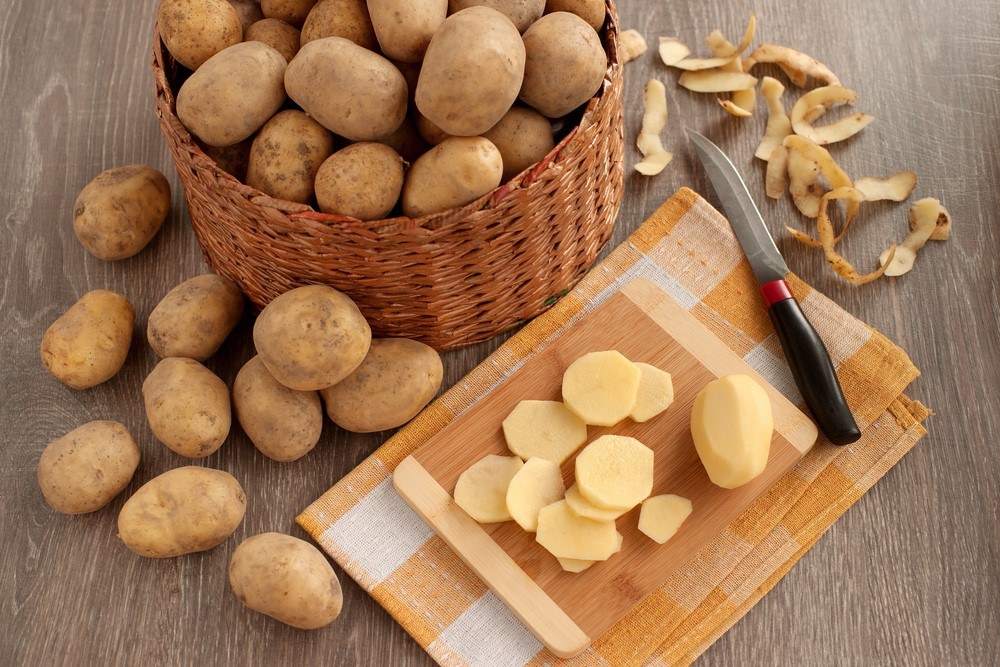
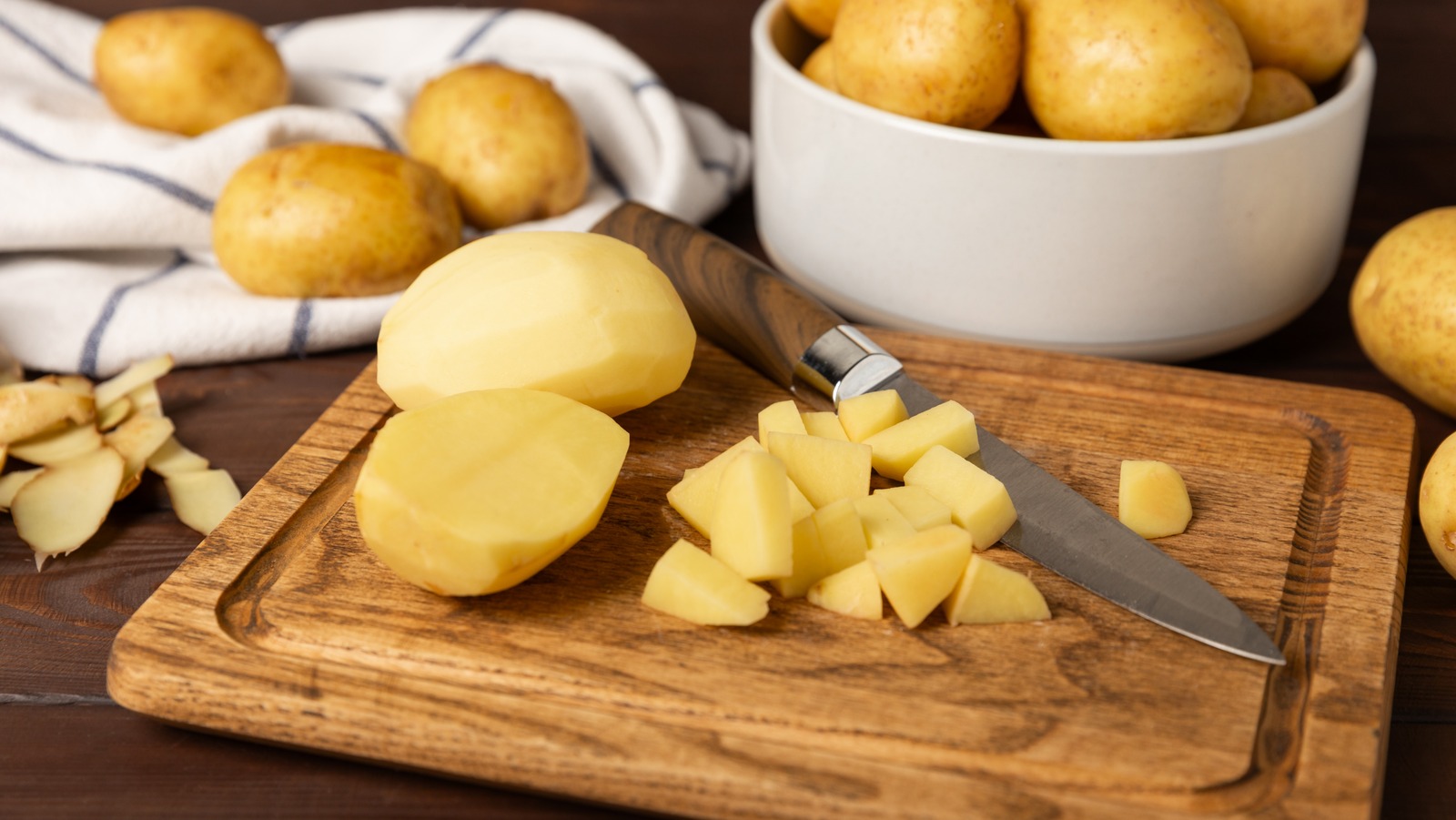
So, what’s the best move for the curious eater? Start small and smart. If you want to try raw potato, pick a firm, fresh, organic potato with no green patches or sprouts. Wash it thoroughly, peel it (the skin contains most of the glycoalkaloids), and taste a thin slice. Don’t eat more than a tablespoon-sized amount at first. Listen to your body—if you feel any tingling in your mouth or throat, stop immediately. That’s a sign of solanine sensitivity. For most, a small sliver is harmless and can offer a unique, crunchy twist in a dip or relish.
 Eating Raw Potatoes: Healthy or Harmful?
Want to get the most out of this quirky snack? Here’s a pro tip: soak your raw potato slices in cold water for 10 minutes before eating. This leaches out some of the bitter starches and makes them a bit more palatable. You can also toss them with lemon juice and salt to mask the earthiness. Another clever use is grating raw potato into a salad for a textural surprise—just use a light vinaigrette and eat it right away to prevent browning. For the truly dedicated, some people juice raw potatoes, claiming it helps with heartburn, but that’s a niche practice best done under guidance.
In the end, eating raw potatoes is safe in tiny amounts, but it’s not a hidden culinary gem. The benefits—like resistant starch for gut health—are real, but the trade-off is a pretty bland, potentially irritating eating experience. Most people will find that cooked potatoes are not only tastier but also easier on their system. So, go ahead and take a daring nibble to satisfy your curiosity, but remember: the potato’s true glory lies in the warm, buttery, crispy forms we all know and love. Share this little experiment with a friend, and you’ll both walk away a little smarter—and probably reaching for the oven.