Crown Family Role In International Relations?

You might think royal families are just about tiaras and gossip columns, but their role in international relations is actually a surprisingly useful tool. Far from being outda...

You might think royal families are just about tiaras and gossip columns, but their role in international relations is actually a surprisingly useful tool. Far from being outdated, these "soft power" players often succeed where diplomats fail, because they can charm their way through sticky situations without the baggage of politics. The benefits ripple out to everyone—from the citizens who gain a trusted international voice to the communities that see economic boosts from state visits. It’s a unique brand of diplomacy that feels more human and less like a boring press conference.
So why does it matter? For individuals, a royal figure can cut through red tape. When a monarch shakes hands with a foreign president, they’re often signaling stability and trust, which can lead to easier visa agreements or business deals for everyday people. For families and communities, it’s about cultural pride. A royal tour showcasing national traditions—like food or crafts—can put a small country on the map, creating jobs in tourism and local industries. It’s a gentle reminder that soft diplomacy can be as powerful as signing treaties.
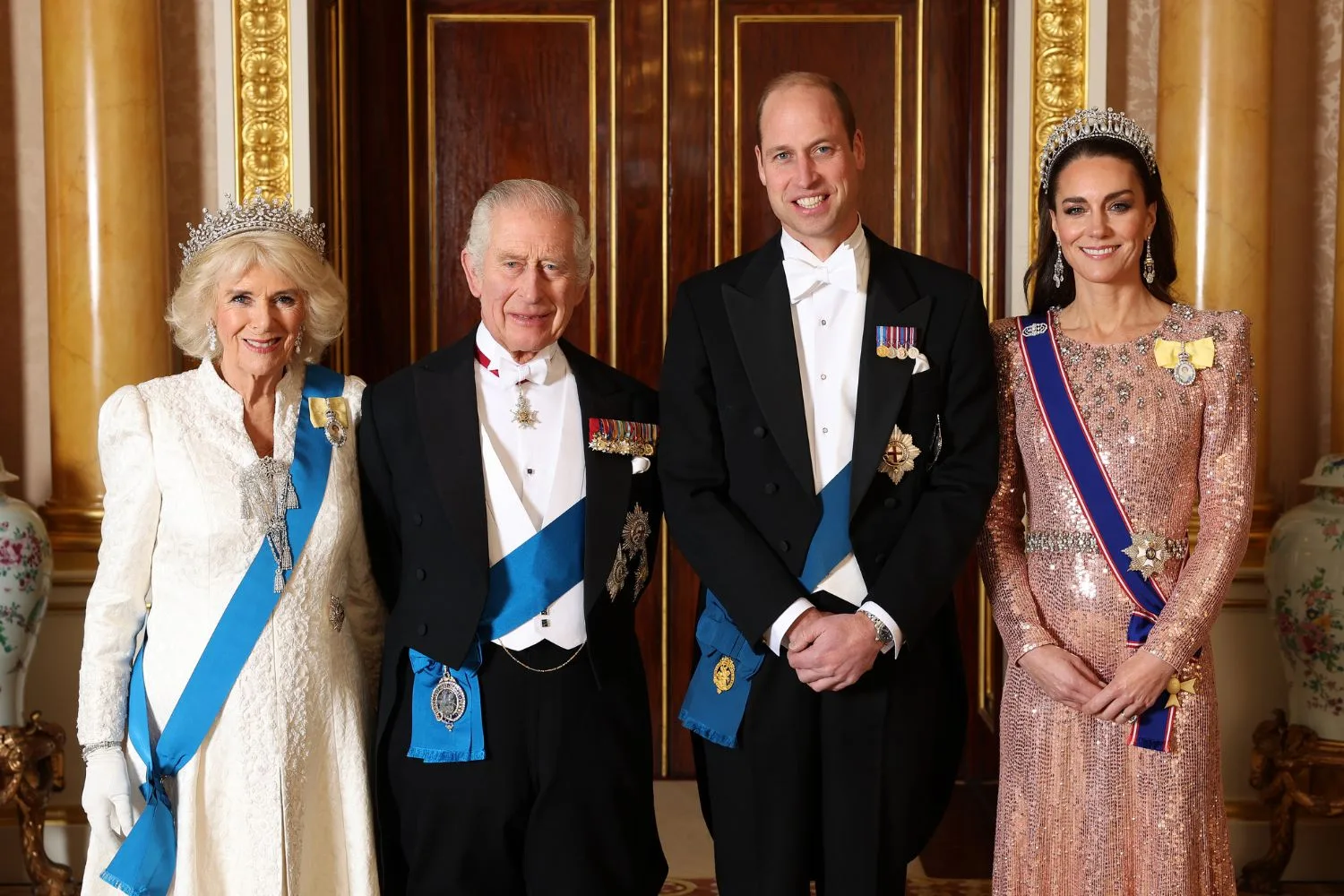
Take King Charles III as a real-life example. His long-standing environmental advocacy doesn’t just make headlines; it influences global climate talks. When he meets with leaders, his passion for sustainability adds a moral weight that official negotiators sometimes lack. Another great case is Queen Máxima of the Netherlands, who uses her role to champion financial inclusion. She’s visited microfinance projects in Africa, directly helping local women start businesses—a far cry from stiff formal dinners.
Must Read
For the Japanese Imperial Family, their quiet dignity during humanitarian crises (like earthquakes) builds a sense of international unity. Their visits to disaster zones aren’t just symbolic; they strengthen bilateral ties by showing empathy, which opens doors for aid and cooperation. These examples prove that crowns aren’t just for decoration—they’re diplomatic tools that work best when things get real.
Wondering how you can tap into this? Start by paying attention to state visits in the news. Follow royal social media accounts (like the Swedish or Danish ones) to see how they promote trade or culture. If you’re a business owner, attend events hosted by your country’s royal household—they often connect local entrepreneurs with international investors. Even as a tourist, visiting a royal palace during a foreign trip gives you a taste of the soft power legacy that opens doors between nations.
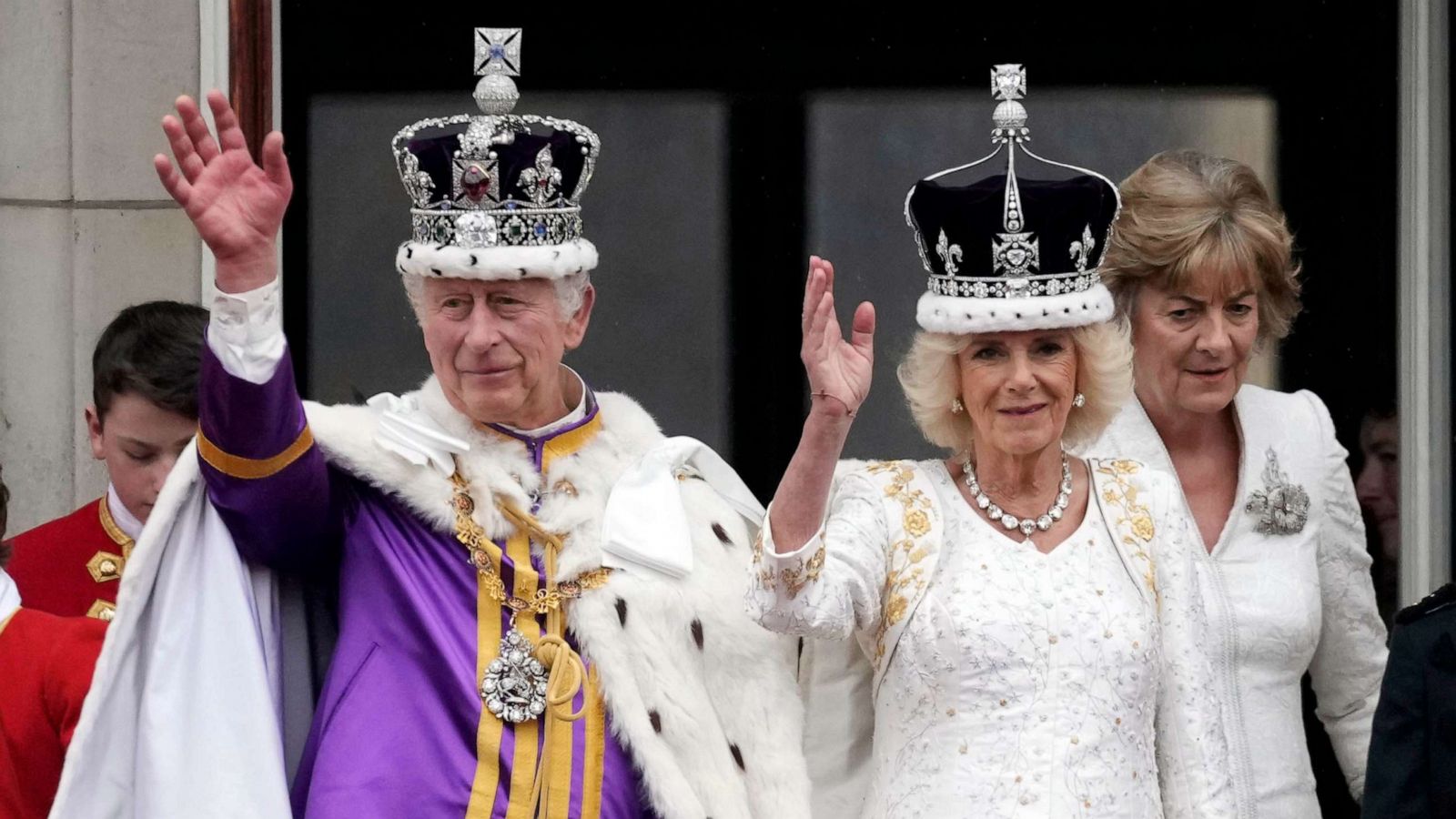 Elizabeth Queen Of England
Another practical tip: engage with heritage. Support charities or projects endorsed by royal families, as they often focus on global issues like education or health. By doing so, you’re part of that community-building ripple effect. And if you travel, learn a few facts about the host country’s monarchy—it’s a conversation starter that can build real connection, not just between diplomats but between people like you and me.
In the end, crowns and international relations remind us that trust, tradition, and grace still have a place in a fast-paced world. While politicians argue over borders, royals often build bridges. So next time you see a royal waving from a car, remember: that wave might just be smoothing the way for something good in your own life. It’s proof that sometimes, the most powerful diplomacy wears a crown.
:max_bytes(150000):strip_icc():focal(1039x225:1041x227)/King-Charles-III-and-Camilla-Queen-Consort-tout-112222-e1d9f3ad5fe54b0b8737ecf899b1da50.jpg)
