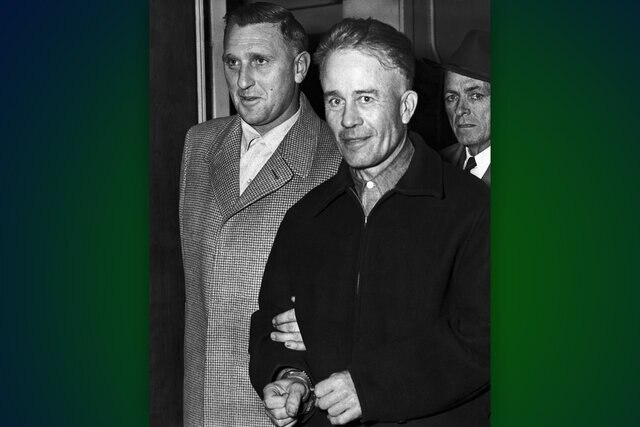
Did Ed Gein Kill A Nurse In The Hospital In Real Life

Welcome, true crime curious! If you’ve ever found yourself down a rabbit hole about the weirdest and most unsettling figures in American history, you’ve probably landed on Ed...
Welcome, true crime curious! If you’ve ever found yourself down a rabbit hole about the weirdest and most unsettling figures in American history, you’ve probably landed on Ed Gein. The man who inspired Psycho, The Texas Chain Saw Massacre, and Silence of the Lambs is a never-ending source of morbid fascination. Today, we’re clearing up a juicy, hospital-themed rumor: did the “Butcher of Plainfield” actually kill a nurse while he was a patient? This article is your myth-busting guide, offering a fun and educational look at how legends get tangled with reality. By the end, you’ll have a crystal-clear answer and a cool party fact to share.
Let’s get straight to the point: No, Ed Gein did not kill a nurse in a hospital in real life. This is one of those persistent urban legends that sprang up after his 1957 arrest. The rumor likely started because Gein spent the last decades of his life in secure psychiatric hospitals after being declared insane. People imagined that such a disturbed man, even under watch, must have committed more violence. But the official records—his trial transcripts, hospital staff reports, and the investigations by Dr. George Arndt—show zero evidence of any nurse being harmed by him.
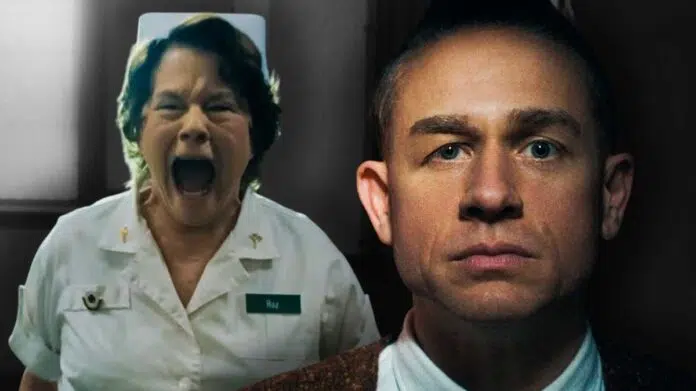
So where did this grisly idea come from? It’s a perfect example of cultural “telephone.” Gein was convicted of murdering two women, but he also confessed to robbing graves. The idea of a “nurse” might have morphed from stories about his obsession with female anatomy. Some writers speculated that if he had the chance in a hospital, he might have targeted medical staff. Hollywood didn’t help. Films like Deranged and Ed Gein sometimes dramatize hospital scenes for maximum shock value, blurring the line between fiction and the actual, boring truth: Gein was a quiet, cooperative patient who spent his days doing crafts and reading.
Must Read
Here’s a practical tip for your own true crime sleuthing: always check primary sources. Don’t rely on a Reddit thread or a YouTube comment. Look for court documents, biographies by respected authors like Harold Schechter (who wrote Deviant), or the official psychiatric reports. When you see a claim like “Gein killed a nurse,” ask: does this come from a proven document, or is it just dramatic chatter? For Gein, his hospital stays were heavily documented—nurses reported he was polite and even helped with chores. A killer nurse? That’s pure fiction.
Why does this myth matter? It teaches us about the human tendency to exaggerate. We crave closure and horror, so we amplify the monster. Gein was plenty monstrous already—he made lampshades from human skin—but adding a hospital murder makes him seem like a cunning, supernatural predator. In reality, he was a broken, mentally ill man who was incapable of such calculated violence at that point. Understanding the truth helps us separate the real tragedies from the campfire stories.
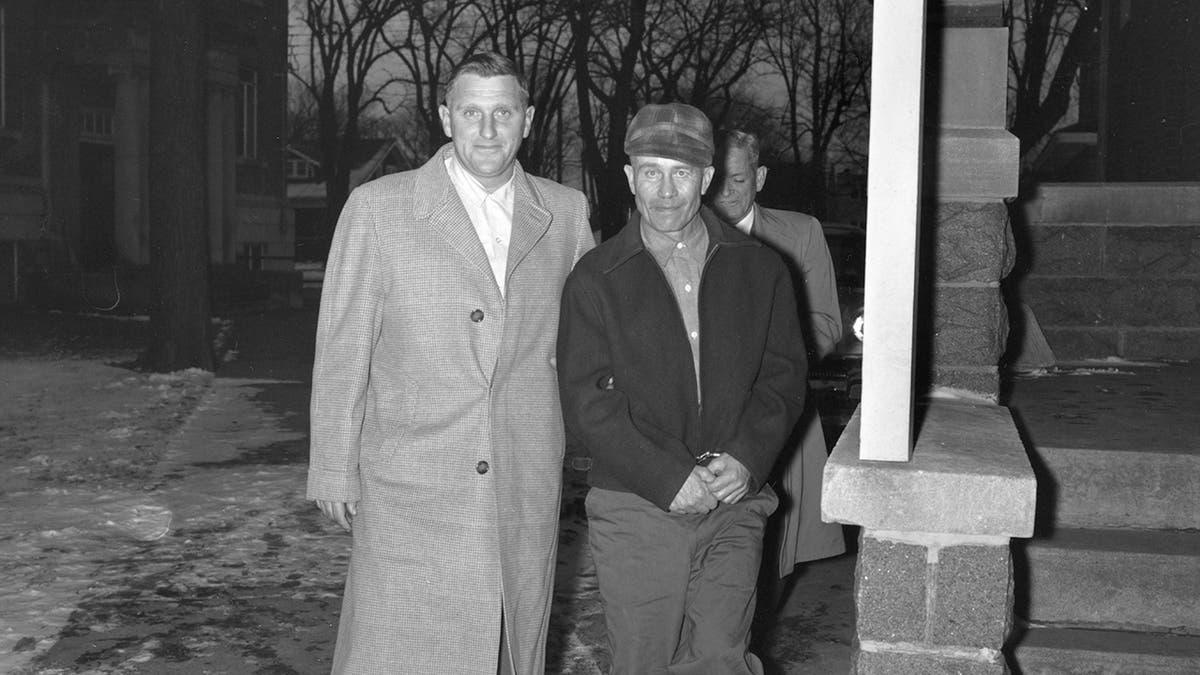 Wisconsin killer, body snatcher Ed Gein’s voice heard in unearthed
If you want to explore this topic further, try a fun experiment: watch a true crime documentary about Gein and write down every claim. Then, fact-check just one of them using a reliable source like a biography or a museum archive (the Plainsfield Historical Society has great info). You’ll likely find at least two to three errors. It’s a great way to sharpen your critical thinking while enjoying the spooky side of history. Just remember: the truth is often stranger—and more sad—than the legend.
So next time someone asks, “Did Gein kill a nurse in the hospital?” you can smile knowingly and say, “Nope, that’s a myth. He was more likely knitting a sweater than plotting a murder during his hospital years.” Keep digging, stay curious, and always double-check the creepy claims. The real story is weird enough without the embellishment.