Evaporated Milk Vs Condensed Milk

A trip down the baking aisle can be a source of quiet delight, but it can also present a puzzling choice: two small, identical-looking cans, one labeled evaporated milk and th...

A trip down the baking aisle can be a source of quiet delight, but it can also present a puzzling choice: two small, identical-looking cans, one labeled evaporated milk and the other condensed milk. Both begin as fresh milk, yet they serve entirely different purposes in the kitchen. Understanding this difference is a small but powerful skill that elevates everything from your morning coffee to a decadent dessert, unlocking richer flavors and creamier textures with zero guesswork.
The key distinction lies in sugar. Condensed milk is milk that has been concentrated and heavily sweetened, typically with about 40-45% sugar. Evaporated milk, on the other hand, is simply concentrated milk—water has been removed, but no sugar is added. This fundamental difference defines their roles: condensed milk is a liquid sugar bomb ideal for no-churn ice creams, fudge, and Vietnamese iced coffee, while evaporated milk is a neutral, creamy booster for soups, sauces, and lighter desserts.
The benefits for everyday life are immediate. Imagine you are making a creamy pumpkin pie: using evaporated milk gives you a silky, rich filling without the cloying sweetness that condensed milk would introduce. Conversely, picture a lazy Sunday when you crave a quick dulce de leche—just simmer an unopened can of sweetened condensed milk for hours, and you have a caramel-like spread. Evaporated milk also keeps for months in the pantry, ready to rescue a too-thin gravy or to make a mac and cheese that tastes astonishingly decadent.
Must Read
Context makes the difference clear. A common pitfall is swapping them in a recipe. If you use evaporated milk in a key lime pie that calls for condensed, you will end up with a watery, sour mess instead of a thick, tangy-sweet slice. Conversely, using condensed milk in a savory clam chowder would turn it into a dessert soup. The rule of thumb is: choose condensed for sweetness and structure, and choose evaporated for richness without sugar.
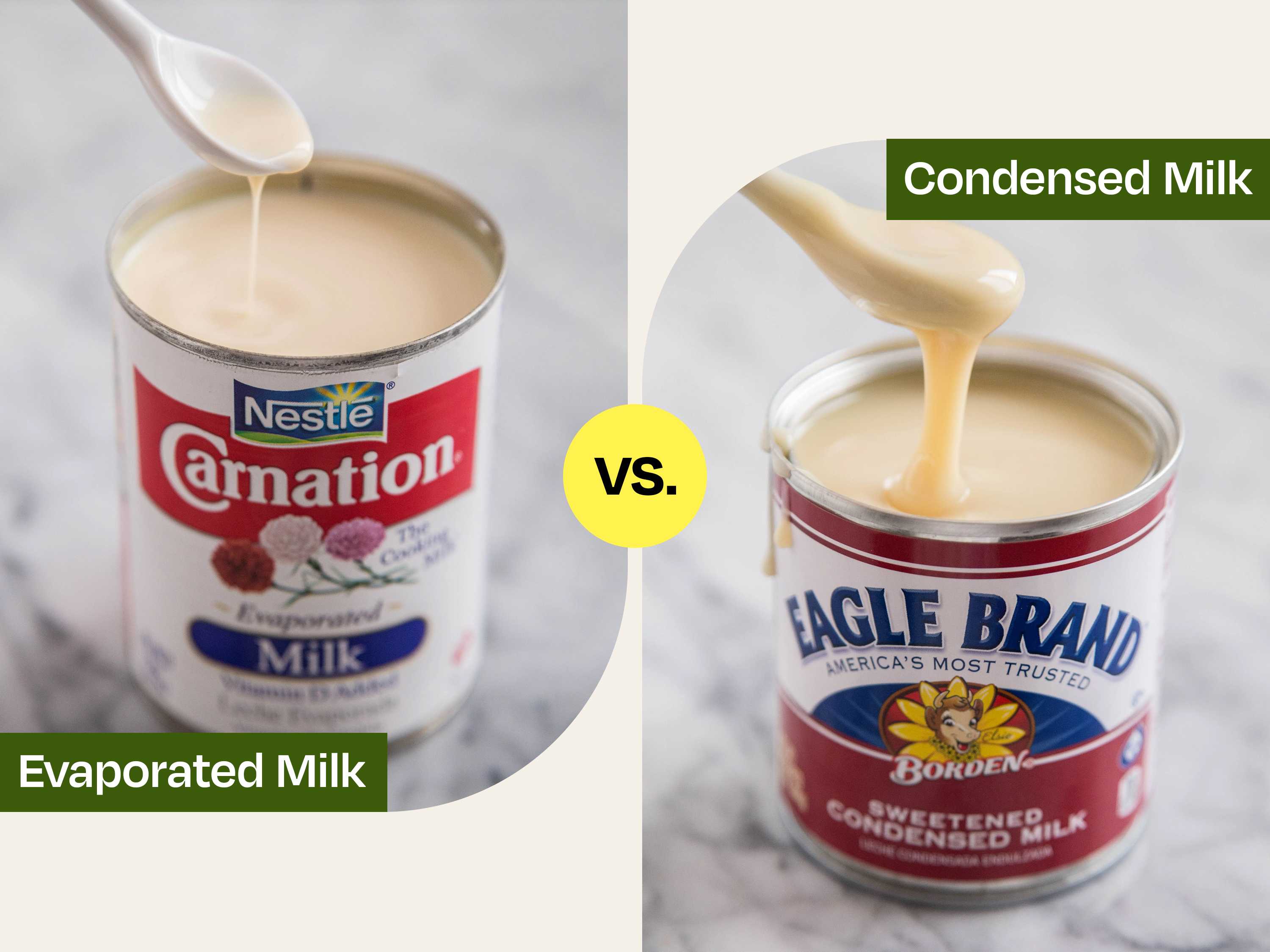 Dairy Milk | The Kitchn
To explore on your own, start with a simple test. Tip one: Whip cold evaporated milk with a little vanilla extract and sugar—it will foam into a light, low-fat topping for hot chocolate or fruit. Tip two: Stir a tablespoon of condensed milk into your next iced coffee; it adds creaminess and a deep, caramel sweetness that sugar alone cannot replicate. Tip three: Use a 50/50 mix of evaporated milk and water as a substitute for whole milk in baking; it yields a surprisingly tender crumb in cakes.
Whether you are joyfully boiling a can of condensed milk for a last-minute dessert or enriching a stew with a splash of evaporated milk, both cans are humble pantry heroes. Embrace their distinct personalities, and you will never again stare at them in confusion. Instead, you will reach with confidence, knowing exactly which one will make your dish sing.


