How Did Crown Families Develop Power?

So, you’re sipping your morning coffee, scrolling through photos of royal weddings, and a little voice in your head asks: “Wait… how did these crown families get to be so ridi...

So, you’re sipping your morning coffee, scrolling through photos of royal weddings, and a little voice in your head asks: “Wait… how did these crown families get to be so ridiculously powerful in the first place?” It’s a fair question. Did they win a cosmic lottery? Bribe a dragon? Let’s unpack it, shall we? (Spoiler: no dragons were harmed—probably.)
The short answer? Land, religion, and a whole lot of strategic marriages. Way back when, power wasn’t about Instagram followers—it was about territory. If you controlled fertile land, you controlled food. If you controlled food, you controlled people. Early crown families, like the Merovingians in Frankish territory or the Tang in China, started as warlords who managed to hold onto their dirt longer than the other guy. They consolidated power by forming armies—often made up of loyal kinsmen—and saying, “This patch of earth is mine. Try me.” Spoiler: few tried.
But land alone doesn’t make a dynasty. You need legitimacy. Enter the Church, the temples, and the priests. Crown families quickly figured out that if you claim divine right—that God himself picked you to rule—suddenly, revolts look really rude. Medieval European kings were crowned by popes; Japanese emperors traced their lineage to the sun goddess Amaterasu; and in India, rajas performed elaborate sacrifices to show the gods were on their team. It’s a brilliant con: “God said so. Sorry, you can’t argue with the creator of the universe.”
Must Read
Of course, nothing says “Try challenging me” like a pile of gold. Trade and taxation turned crown families from glorified landlords into economic juggernauts. The House of Habsburg didn’t just marry well—they controlled silver mines and trade routes. The Ming dynasty in China taxed salt and tea, filling their coffers. And let’s not forget the marriage game. Royal families treated weddings like corporate mergers: marry your daughter to a rival crown, and boom—you’ve just acquired their land without firing a single arrow. (Elizabeth I famously played this game like a chess grandmaster, always promising her hand but never giving it. Queen energy.)
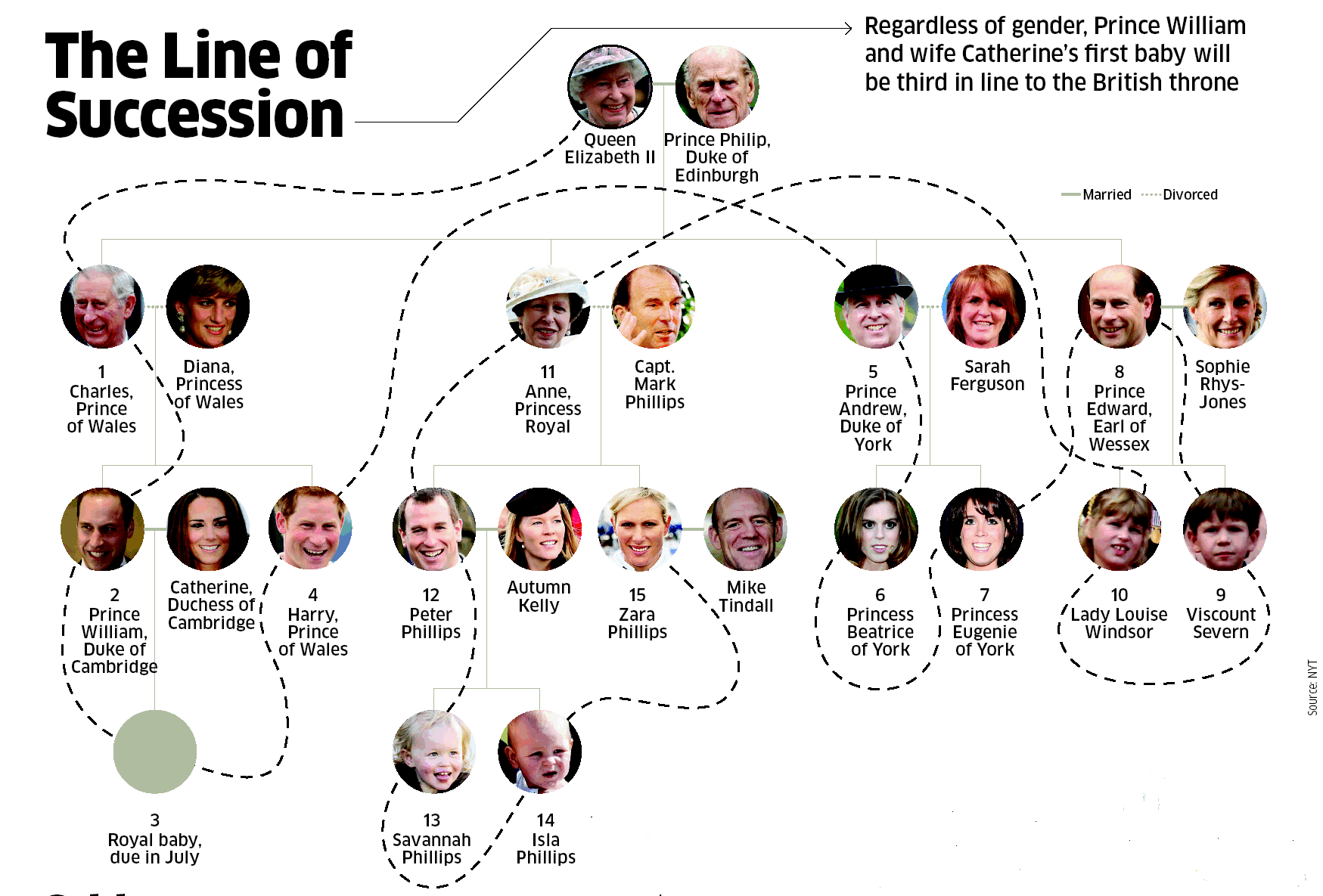
 British Crown Family Tree
But here’s the secret sauce: they were masters of storytelling. Crowns, scepters, palaces—these aren’t just shiny objects. They’re props. Every coronation, every portrait of a king on a horse, every lavish feast whispered, “We are not like you. We are special.” Over time, people believed it. And when you believe, you obey. That’s how a family from a muddy village in France (the Capetians) eventually ruled for 800 years.
So, what’s the takeaway for us today? Power isn’t magic—it’s strategy, luck, and a dash of divine marketing. But here’s the uplifting part: you don’t need a crown to build your own “kingdom.” Your kingdom is your career, your relationships, your passions. Be strategic. Build alliances. Tell your story well. And remember, the best crown is the one you never need to wear—because you already shine. Now go conquer your morning, you glorious monarch of your own life. 👑