How Did The Middle Colonies Make Money

There’s something genuinely enjoyable about looking back at the economy of the Middle Colonies—mainly because it feels so practical and relatable. Unlike the rigid religious e...

There’s something genuinely enjoyable about looking back at the economy of the Middle Colonies—mainly because it feels so practical and relatable. Unlike the rigid religious experiments of New England or the sprawling plantation system of the South, the Middle Colonies (New York, New Jersey, Pennsylvania, and Delaware) built their wealth on a simple, balanced formula: grow it, trade it, and sell it. The main purpose here was survival and prosperity through diversity, and the benefits touched everyone—from the farmer in Pennsylvania to the merchant in New York. You might recognize this same principle today in a small town that thrives thanks to a mix of a local bakery, a hardware store, and a weekend flea market. The Middle Colonies were the original “diversified portfolio,” and their story offers a cozy, down-to-earth lesson in making money the smart way.
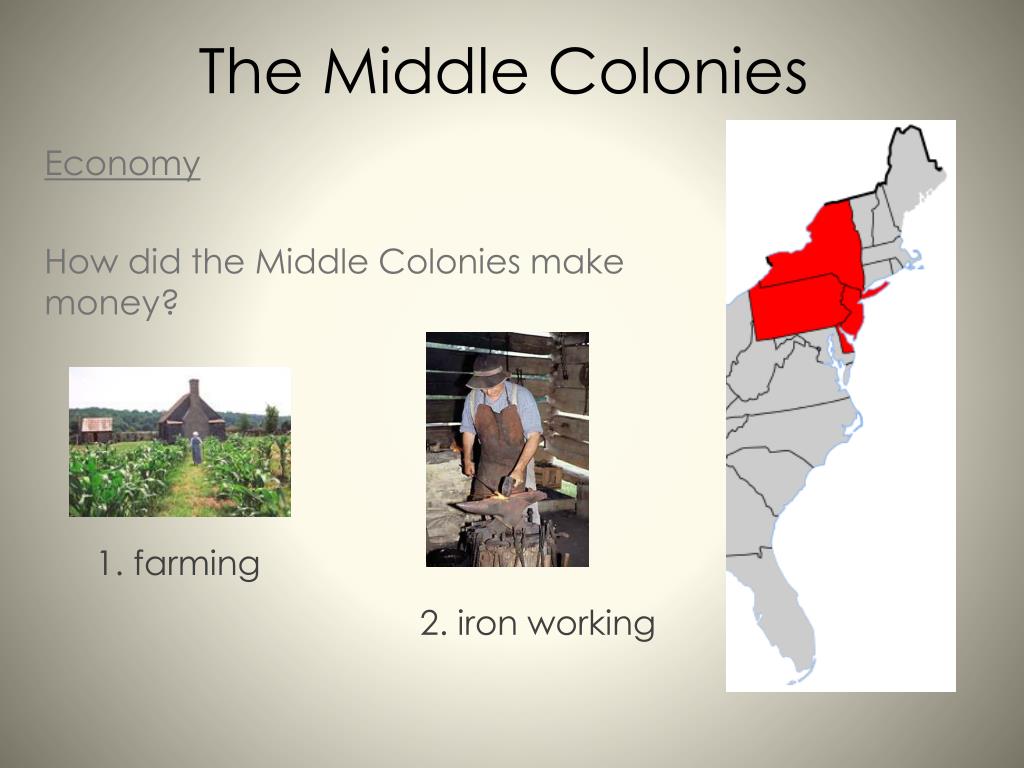
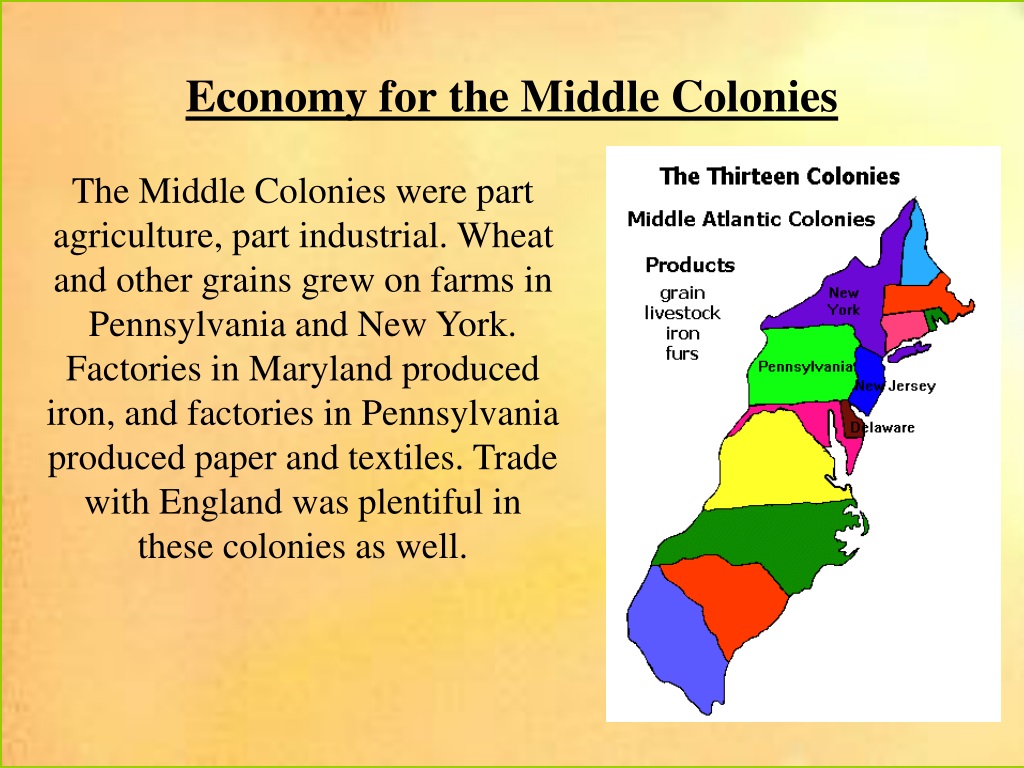
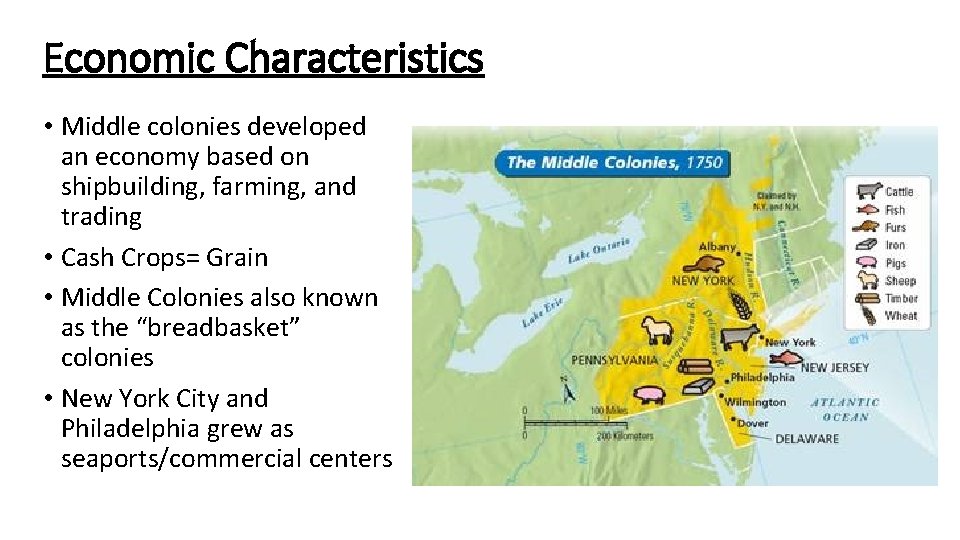
The backbone of their wealth was agriculture. While the South focused on single cash crops like tobacco, Middle Colony farmers grew a little bit of everything: wheat, barley, rye, oats, and even fruits like apples and peaches. This region became known as the “breadbasket” because its soil was incredibly fertile. They didn’t just feed themselves—they exported massive amounts of grain to the Caribbean and Europe. If you want to get started understanding this, just picture a farmer planting a field of wheat in the spring, harvesting it in the summer, and then shipping it to a port in Philadelphia. That grain paid for a lot of homes, tools, and even a bit of comfort.
But farming alone wasn’t the whole story. The Middle Colonies were also a hub for trade and commerce. New York City and Philadelphia became bustling ports where ships arrived with goods from England, Africa, and the West Indies. Merchants would trade locally grown flour, lumber, and iron for molasses, rum, sugar, and manufactured cloth. A simple tip to appreciate this: think of a modern-day farmers’ market, but on an international scale. The key was that these colonies didn’t put all their eggs in one basket—they kept goods flowing both in and out, which meant that if one trade route slowed down, another kept the cash coming.
Must Read
Manufacturing and craftsmanship also played a surprisingly big role. Because the region had abundant forests and rivers, settlers became skilled at making things by hand. Sawmills turned trees into lumber for shipbuilding. Ironworks produced tools, nails, and even pots. Tanners turned animal hides into leather. Artisans and tradesmen—blacksmiths, coopers, weavers, and shoemakers—were everywhere. For a modern-day comparison, imagine a neighborhood of small specialty shops where everyone knows their craft. If you want to make money like a Middle Colonist, consider learning a tangible skill—like woodworking or baking—that turns raw materials into something people actually need.
A third, often-overlooked moneymaker was land speculation and real estate. Land was cheap and abundant, so wealthy individuals and companies would buy large plots and then sell or rent smaller parcels to incoming settlers. This created a cycle: more people arrived, more farms were started, and land values went up. It wasn’t just farming that paid—it was owning the ground beneath your feet. You can see this principle today in real estate investing, but back then it was as simple as buying a patch of woods and turning it into a productive homestead for a new family.
 Middle Colonies Who settled in the Middle Colonies
Of course, it’s worth mentioning that not all the money came from honest labor. The Middle Colonies also participated in the triangular trade, which included the transportation of enslaved people. This was a dark, profitable thread in their economy that can’t be ignored. But the broader lesson remains: the region’s success came from a balanced mix of farming, commerce, manufacturing, and property. The most actionable tip from history is this: diversify your sources of income. Whether you’re selling grain, building fences, or just leasing out a spare shed, the Middle Colonies show that wealth grows best when you don’t rely on just one thing.
So next time you enjoy a slice of bread or stroll through a local marketplace, you’re living a small echo of that practical, easy-going system. The Middle Colonies made money the old-fashioned way: by working hard, trading smart, and keeping their eyes open for opportunity. It’s a lesson that never gets old.