How Long After Defrosting Chicken Should It Be Cooked

Let’s be real for a second: defrosting chicken is one of those kitchen chores that feels about as exciting as watching paint dry. You pull a rock-solid pack of breasts from th...

Let’s be real for a second: defrosting chicken is one of those kitchen chores that feels about as exciting as watching paint dry. You pull a rock-solid pack of breasts from the freezer, and suddenly your brain does that frantic math problem: “Okay, if I thaw it right now… when do I actually have to cook it?” It’s a question that has haunted many a home cook, and I’m here to save you from the stress spiral. So, grab a cup of coffee, and let’s chat—really chat—about the timeline.
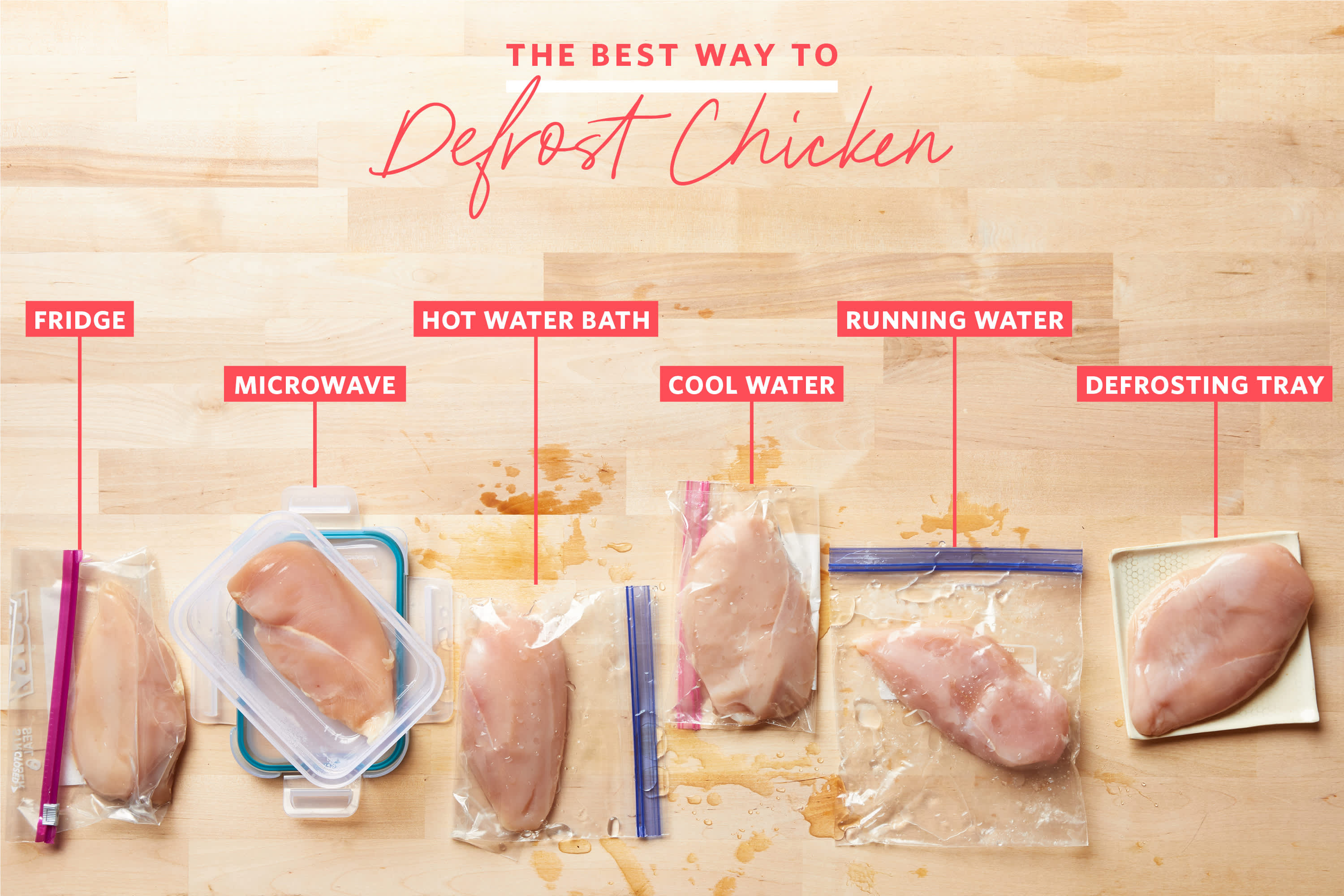
First off, the golden rule: once that chicken is fully defrosted, you’ve got a surprisingly cozy window. If you thawed it in the refrigerator (the safest, most boring method, but we love a reliable friend), you can kick back for one to two days. Yes, up to 48 hours. That means Monday’s defrost can become Tuesday’s dinner—or even Wednesday’s if you’re a rebel. But don’t push it to Thursday unless you’re trying to summon a science experiment. The fridge keeps things at 40°F or below, which puts the brakes on bacteria throwing a party.
Now, if you’re the impatient type (no judgment, we’ve all been there) and used the cold water method—submerging that sealed chicken in a bowl of cold water, changing it every 30 minutes—the clock is way meaner. You need to cook it immediately after it’s thawed. Like, yesterday. The water method is fast (usually an hour for a pound), but it creates a breeding ground for bacteria if you dawdle. So pop that bird in the pan right when it’s pliable, and don’t get distracted by a TikTok video.
Must Read
What about the microwave method? Oh, the microwave. It’s the chaotic friend who shows up unannounced. Defrosting in the microwave works, but it partially cooks the outer edges—which means you must cook it instantly. Not in two hours. Not after you fold the laundry. RIGHT. NOW. Otherwise, you’re inviting food poisoning to your dinner party, and that’s one guest nobody wants.
Here’s the funny thing people get wrong: they think if chicken smells fine, it’s fine. Nope. Bacteria don’t always have a stench until it’s too late. Trust the clock, not your nose. If you’re standing in your kitchen holding a defrosted chicken, wondering if it’s still good after three days in the fridge, just toss it. Your gut will thank you.
 Food Science: Why You Should Rest Meat After Cooking | The Kitchn
And a tiny pro tip: never refreeze raw chicken that you’ve defrosted in the water or microwave. It’s a texture nightmare and a safety gamble. Cook it first, then freeze the leftovers. Think of it as giving your chicken a one-way ticket to dinner, not a round trip.
So there you have it: fridge-thawed chicken can wait a leisurely day or two; water or microwave-thawed needs to get in the pan, stat. The whole process is less stressful than you think—it’s just a little dance between patience and panic. And remember, the best chicken dinner is the one that doesn’t make you second-guess yourself while you eat it. So go forth, defrost with confidence, and cook that bird like the kitchen rockstar you are. You’ve got this. Bon appétit, friend.