How Long Do Grasshoppers Live

There’s something oddly charming about watching a grasshopper leap across a sunlit field, isn’t there? It’s a tiny, everyday miracle that sparks a simple, yet surprisingly pra...
There’s something oddly charming about watching a grasshopper leap across a sunlit field, isn’t there? It’s a tiny, everyday miracle that sparks a simple, yet surprisingly practical, question: how long do these little jumpers actually stick around? This topic is enjoyable because it connects us to the rhythms of nature, whether you’re a gardener curious about the bugs in your backyard, a kid with a temporary pet in a jar, or just someone who appreciates the fleeting buzz of summer. Knowing their lifespan helps you appreciate their role—as plant munchers, bird snacks, or just charming visitors—and makes your outdoor moments a bit more informed.
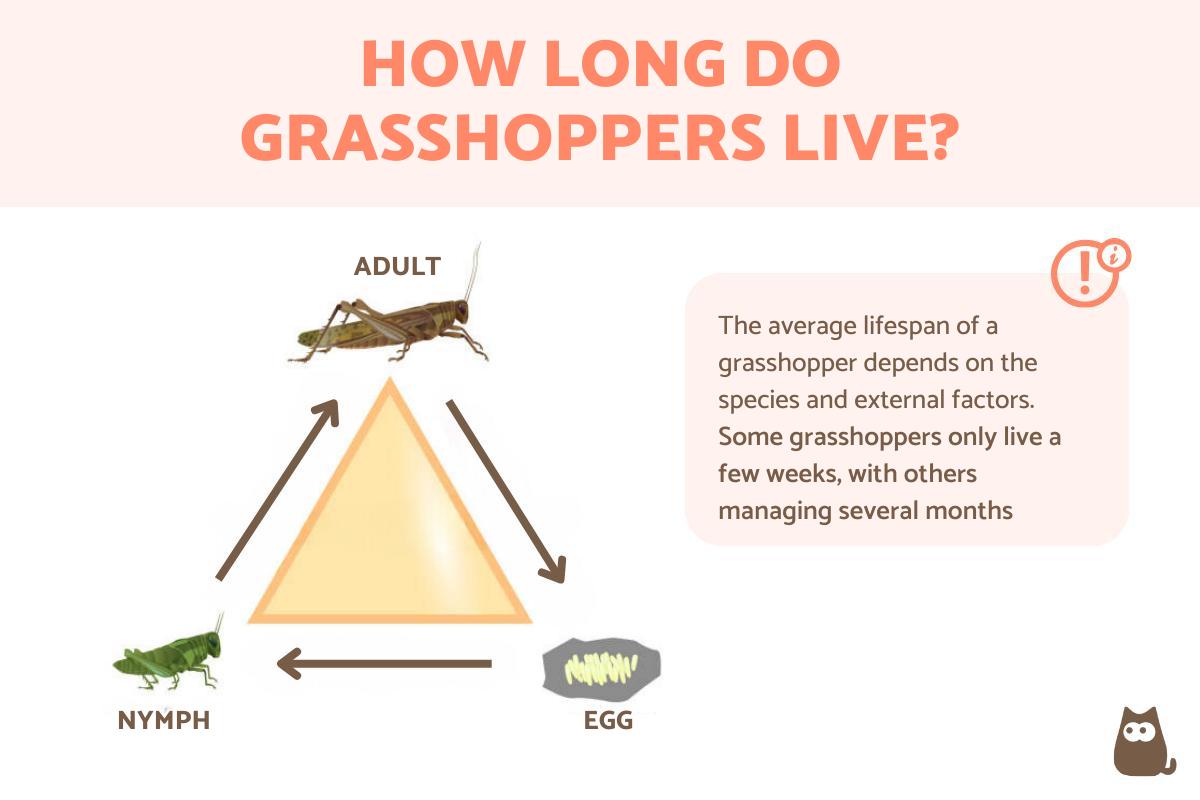
So, what’s the short answer? For most common grasshoppers, the adult stage of life lasts only a few weeks to a few months. Think of it this way: the flashy jumper you see in August is often the final act of a much longer story. The full life cycle—from egg, through several nymph molts, to adult—spans about one year for many species. But the “grasshopper” you actually notice, the one with fully developed wings, is the adult, and its time in the spotlight is surprisingly brief: typically 30 to 60 days, depending on the species and weather.
A big factor in this short lifespan is predation. Grasshoppers are a crucial food source for birds, spiders, lizards, and even some mammals. They’re basically walking protein bars for the ecosystem. Few die of old age; most get eaten long before their natural clock runs out. And the weather plays a role, too—a cold snap in early autumn can cut their season short, while a warm, dry summer may let them thrive a bit longer. The most common species, like the red-legged or two-striped grasshopper, are built to be quick, not long-lived.
Must Read
For gardeners, this short adult life is actually good news: a grasshopper infestation might feel endless, but each generation of adults won’t last more than a couple of months. For kids catching them, it’s a gentle lesson in respect. A grasshopper kept in a jar with air holes, fresh grass, and a twig to climb might survive a week or two, but it’s far better for them to be released after a day or two of observation. Letting them go ensures they get to do their real job: laying eggs for next year’s chorus.
To make the most of this knowledge, start by looking closely at the grasshoppers you find. Notice their size and color: younger nymphs (which look like small, wingless adults) often predate the larger adults by a few weeks. If you spot a big, fully winged one in early July, you know it probably has just a month or two to live. On a practical note, if you want to keep a grasshopper as a temporary companion, choose a large container with ventilation, add a heat lamp or a sunny spot, and feed it fresh clover or wheat grass daily. Change the food often to avoid mold.
 The Lifespan Of A Grasshopper at Luke Earsman blog
A simple tip: observe without interfering. Spend five minutes counting how many you see in one patch of grass on a hot afternoon—then return a week later. You’ll notice the turnover is faster than you think. This small act builds a gentle awareness of life’s brief cycles. It’s a quiet reminder that, like the grasshopper, our own summers are best enjoyed leap by leap.
In the end, the grasshopper’s short adult life is a gift. It gives us a reason to pause, to appreciate the hum of summer, and to accept that some of nature’s most delightful moments are fleeting. So next time you see one, smile, let it hop away, and know you’ve just shared a moment with a creature living its fullest, fastest life.