How Many Giant Pandas Are Left In The World

Let’s cut to the chase. There are about 1,864 giant pandas left in the wild. That’s the number from the last big census, and it’s a huge comeback story. But don’t worry—we’re...
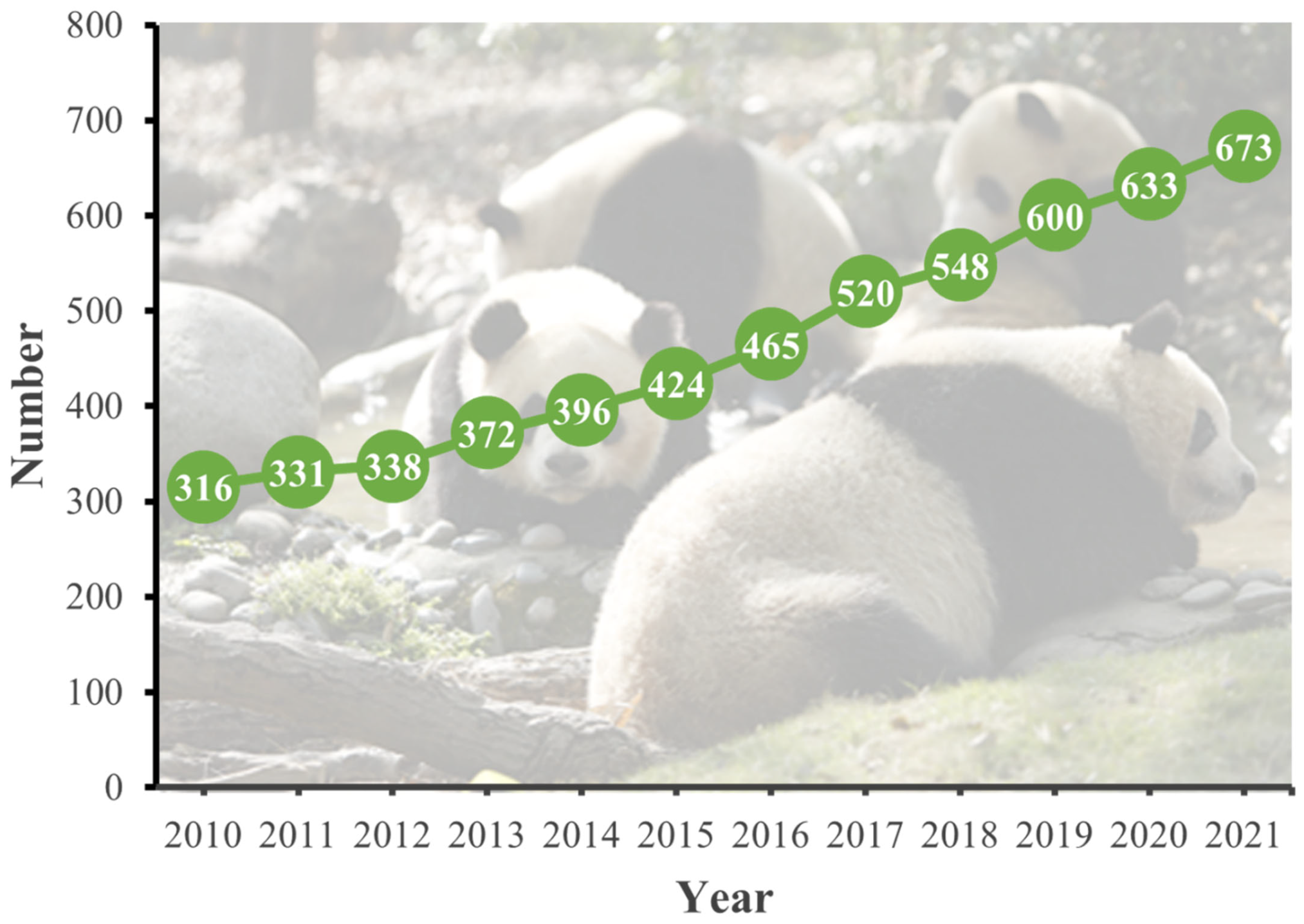
Let’s cut to the chase. There are about 1,864 giant pandas left in the wild. That’s the number from the last big census, and it’s a huge comeback story. But don’t worry—we’re not even close to saying goodbye.
From “Endangered” to “Vulnerable”
In 2016, China gave us a major victory lap. The giant panda was downgraded from “Endangered” to “Vulnerable.” That means the threat level dropped. Pandas are no longer on the brink, but they’re still in a tricky spot.
Why the upgrade? Bamboo forests. China planted massive corridors so pandas could mingle and find mates. They’re basically nature’s picky eaters, relying 99% on bamboo—which means they need a lot of it.
Must Read
Wait, There’s a Captive Count Too
Add another 600-ish pandas in zoos and breeding centers worldwide. That brings the grand total to about 2,500. But wild pandas are the real stars. They’re the ones doing the actual, y’know, wild stuff.
Here’s a weird fact: pandas have a “thumb” that’s actually a modified wrist bone. It works like a sixth finger to help them grip bamboo stalks. Talk about an evolutionary hack for a lazy eater.
 Giant Pandas Habitat
A Baby Panda Is a Miracle
Female pandas are fertile only 2–3 days a year. That’s less time than you spend deciding on a Netflix show. When a cub is born, it’s the size of a stick of butter—and completely helpless. Mom does all the work.
In the wild, twins are rare because the mother can only raise one cub. Zoos cheat the system by swapping cubs so both survive. It’s basically panda daycare with a secret rotation.
The Poop Tells a Story
Okay, get ready for the gross-but-necessary part. A panda poops up to 40 times a day. That’s because bamboo is low in nutrients, so they have to eat a lot—up to 40 pounds daily. The result? Green, fibrous, and oddly not smelly.
 Finally Some Good News! China Says Giant Pandas Are No Longer
Scientists track pandas by counting their droppings. Yes, your tax dollars help pay for poop counting. It’s weirdly effective and oddly satisfying.
Why They’re Still a Big Deal
You might think, “Only 1,864 wild pandas? That’s tiny!” But consider this: In the 1970s, the number was under 1,000. We literally doubled their wild population. That’s a win.
Plus, pandas are an “umbrella species.” Protect their bamboo forests, and you save entire ecosystems—including clouded leopards, golden monkeys, and birds you’ve never heard of. They’re the furry, black-and-white bodyguards of biodiversity.
 How we saved pandas from extinction as the rest of nature collapsed | Vox
The Lazy Truth
Pandas sleep 10–16 hours a day. They are the undisputed champions of doing nothing. And yet, we love them for it. They don’t hunt, they don’t migrate, and they barely socialize. They simply exist—and we’re obsessed.
So, how many pandas are left? Enough to keep hope alive, but few enough to remind us to care. The next time you see a panda rolling lazily down a hill, remember: that’s 1,864+ one seriously chill success story.
Go hug a bamboo shoot. It’s the least you can do.
