How To Tell If Chicken Is Bad

Look, we’ve all been there. You open the fridge, and there it sits: a package of chicken you bought at least a week ago. Your stomach rumbles, but your brain screams, “Danger!...
Look, we’ve all been there. You open the fridge, and there it sits: a package of chicken you bought at least a week ago. Your stomach rumbles, but your brain screams, “Danger!” Before you play Russian roulette with salmonella, let’s talk turkey—or chicken, actually.
The Smell Test (Your Nose Knows Best)
Your nose is a miracle machine designed by evolution to keep you alive. If raw chicken smells like rotten eggs or cleaning chemicals, it’s a hard no. Fresh chicken should have almost no smell—just a faint, neutral “meat” odor.
Fun fact: 80% of food poisoning cases come from contaminated chicken. So if your chicken smells like a dumpster fire in a gym locker, throw it out. Don’t argue with your nostrils; they’re smarter than your wallet.
Must Read
The Touch Test (Don’t Be a Hero)
Next, you must poke the beast. Raw chicken should feel moist but not slimy—like a slightly damp paper towel. If it’s slimy, sticky, or leaves a film on your fingers, that’s bacterial biofilm. Congratulations, you’re now a microbiology lab.
I once touched chicken so slimy it stuck to my hand like a wet sponge. I washed my hands for ten minutes and still felt cursed. Slime means bacteria have already started a full house party. No party favors, just regret.
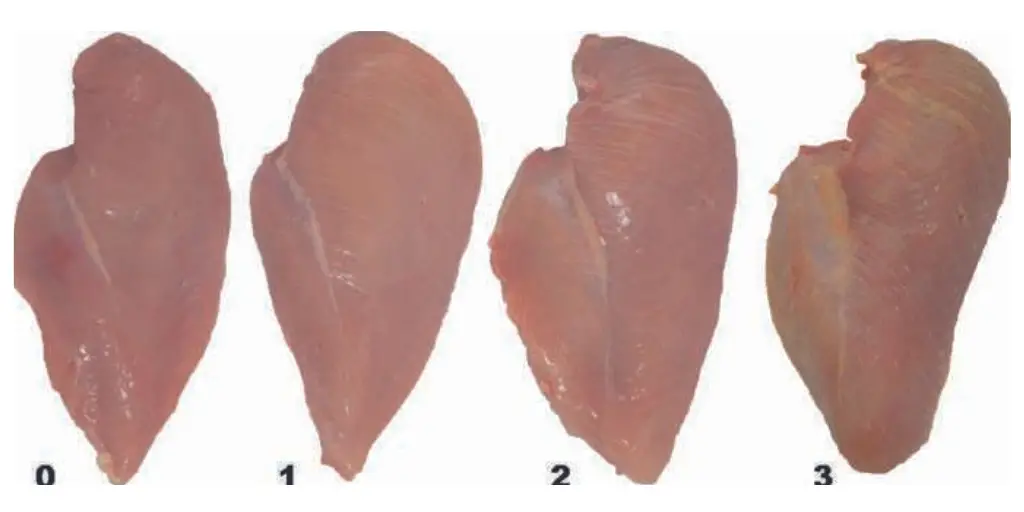 How To Tell If A Chicken Breast is Bad?
The Color Check (It’s Not a Makeover)
Raw chicken is usually pale pink with white fat. But here’s the twist: chicken can turn yellow, gray, or even greenish and still be safe if it’s fresh. Wait, what? Yes—color alone is a liar.
Why? Because oxidation and freezing can change color. But if you see green spots or a weird blue tint, that’s not a mood ring—it’s mold or bacterial colonies. Toss it. And no, you can’t just “cut off the bad part.” Chicken bacteria burrow deeper than your Wi-Fi signal.
The Expiration Date (A Lying Little Devil)
That “sell by” date is just a suggestion for stores, not a death sentence. Chicken can last 1–2 days past that date if stored properly at 40°F or below. But if your fridge is a jungle of leftovers and forgotten yogurt, trust your nose, not the sticker.
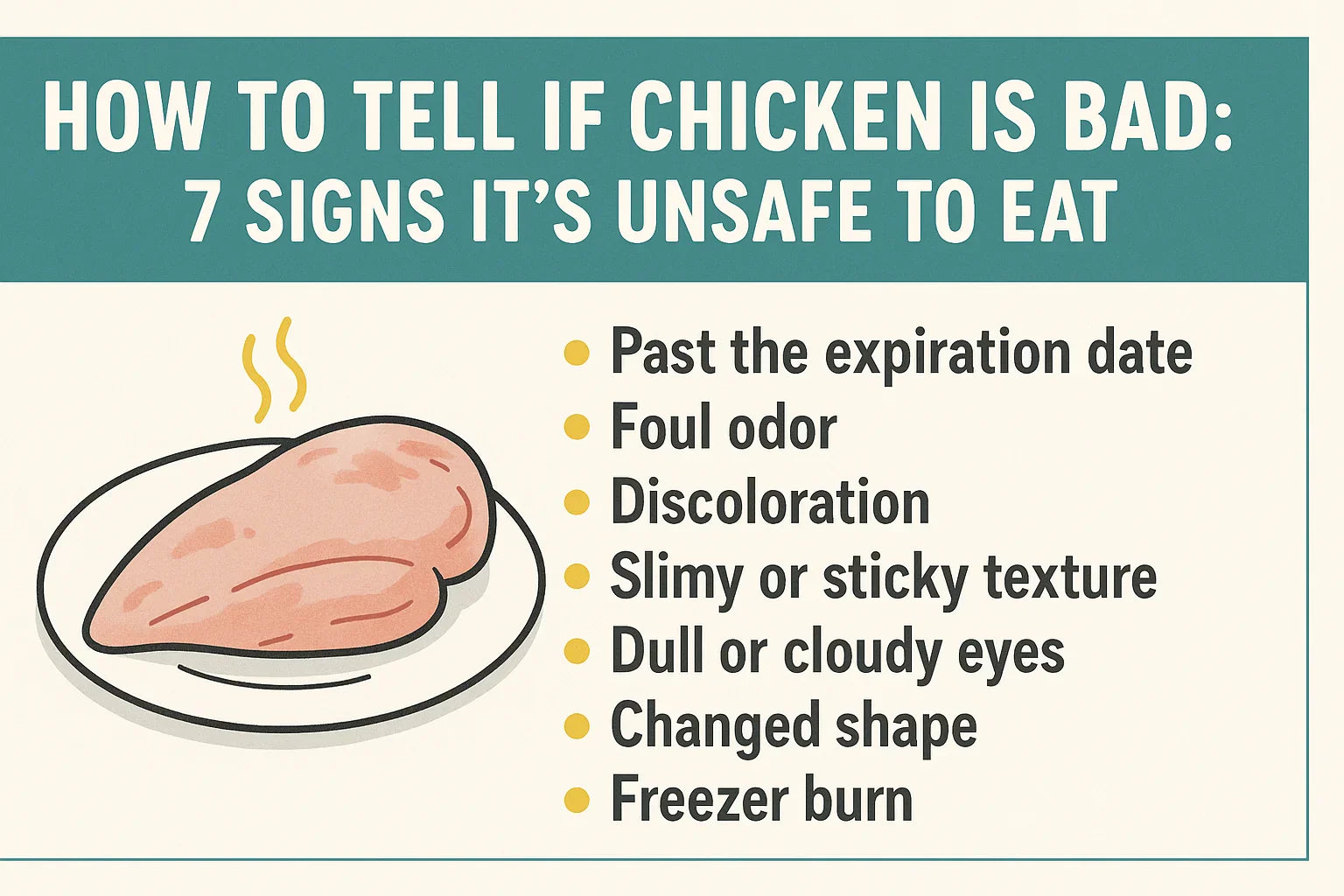
 How to Tell if Chicken Is Bad: 7 Signs It's Unsafe to Eat
Surprising fact: freezer burn looks bad but is safe. It’s just dehydrated spots that taste like cardboard. If chicken was frozen, thawed, then refrozen? That’s a crime against food safety. Throw it out and judge your own life choices.
The Cooked Chicken Trap (Don’t Get Cocky)
Cooked chicken gets slimy too. If it’s been in the fridge longer than 3–4 days and feels like a sad, soggy sock, don’t reheat it. Reheating kills bacteria but not the toxins they’ve already dumped. That’s like cleaning a crime scene but leaving the vomit.
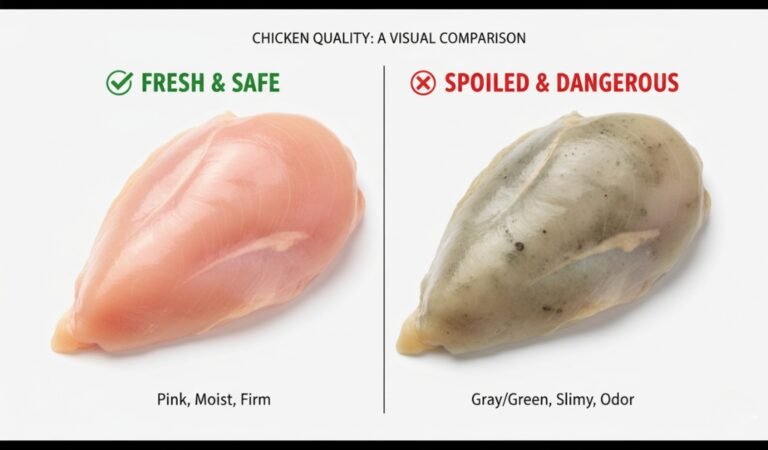 How to Check if Raw Chicken Is Bad (Easy Guide)
Pro tip: Smell twice, throw out once. If you’re squinting at a piece of chicken while holding your breath, you already lost the game. Your gut is trying to save you—listen to it.
The Final Rule: When in Doubt, Dump It
Here’s the math: A pack of chicken costs $8. A hospital visit for food poisoning costs $8,000. Your pride is worth less than toilet paper after a bout of salmonella.
So if your chicken smells, feels, or looks off—even a tiny bit—let it go. Say a little funeral speech: “You were a noble bird, but now you’re compost.” Then order pizza. Your guts will thank you, and your fridge will be one less place for silent, deadly regrets.
