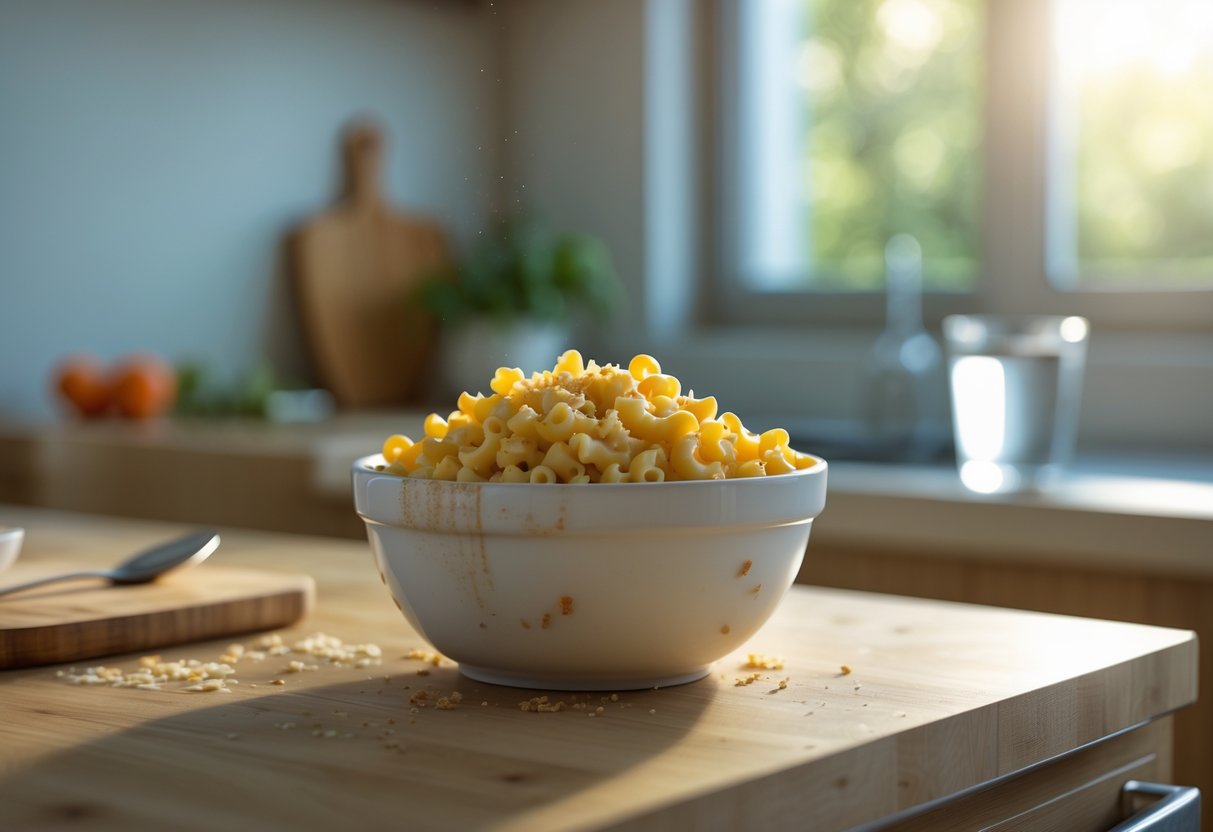
I Left Mac And Cheese Out Overnight Is It Still Good

Welcome, fellow comfort-food lover, to the creamy, cheesy conundrum that has kept many a hungry soul awake at night. We’ve all been there—after a long day, you scrape the last...
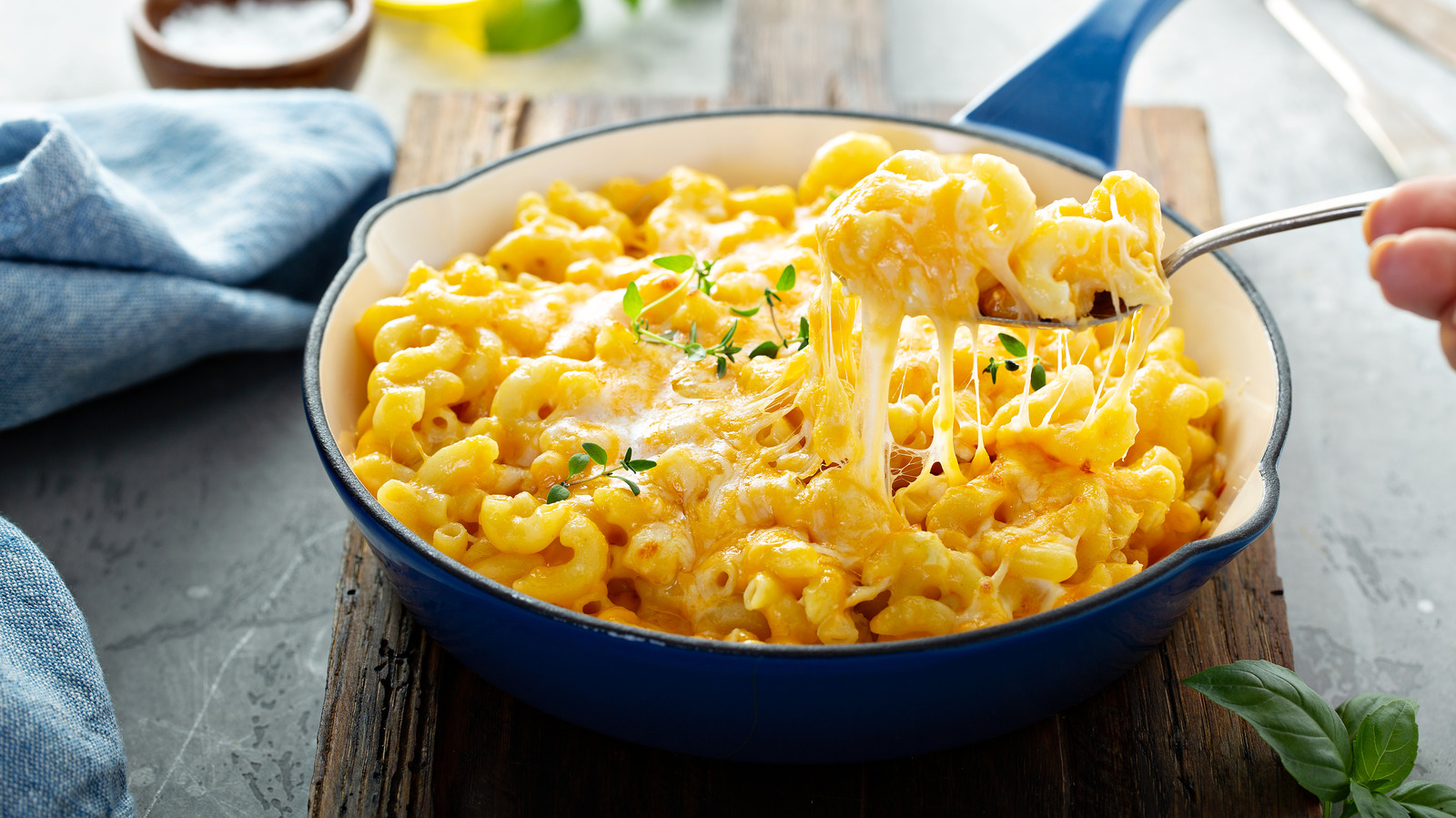
Welcome, fellow comfort-food lover, to the creamy, cheesy conundrum that has kept many a hungry soul awake at night. We’ve all been there—after a long day, you scrape the last bits of glorious, golden mac and cheese from the pot, then collapse into bed. Next morning, you find the leftover casserole dish sitting on the counter, and a single, haunting question echoes in your mind: Is it still good? This isn’t just about food safety; it’s about the precious balance between avoiding a stomach ache and not wasting a perfectly delicious meal. The purpose of this guide is to save you from both, giving you the power of knowledge so you can make a smart, safe (and fun) decision every time.
Let’s get straight to the cheesy point. According to the USDA, cooked food left at room temperature for more than two hours enters what they call the “Danger Zone.” That means if your mac and cheese sat out overnight—say, from 10 PM to 7 AM (nine hours)—it has far exceeded the safe limit. The danger isn’t visible to the naked eye. While you might not see mold, bacteria like Staphylococcus aureus can be throwing a party on those noodles, producing toxins that heat cannot destroy. So, sadly, the simple answer for food safety is: throw it away.
Now, before you mourn your lost dinner, let’s have some fun with the science of your senses. Imagine you leave a smaller, drier batch of mac and cheese on a cool, drafty windowsill (which we do not recommend!). It might just look a little crusty in the morning—no smell, no slime. But in a deep, saucy casserole kept near a warm stove? That is a perfect bacterial spa. You might see a faint ring of discoloration, or you might smell a slight, sour tang. That smell is your nose screaming, “Danger, please do not eat me!” Trust it. The advantage of learning this is that you can now identify a risky batch before it ever leaves the fridge overnight.
Must Read
Here’s a creative, practical tip for the future: The Ice Bath Trick. If you finish dinner and know you won’t be refrigerating leftovers immediately—maybe you’re watching a movie—portion the mac and cheese into a shallow, metal baking pan. Place that pan directly into a bowl of ice water. Stir it gently until the cheese cools to room temperature (about 15 minutes). Then, cover and refrigerate. This gets it out of the Danger Zone fast. It’s a fun little lifesaver that ensures your cheesy masterpiece is safe for tomorrow’s lunch.
 Cheddar Cheese Left Out Overnight at Lee Porter blog
For those who insist on trying to salvage it (we get it, waste is painful), here is the only practical exception. If your mac and cheese was in a very cold room (below 40°F / 4°C) all night—which is basically refrigerator temperature—and it feels cold to the touch, you might be okay. But the odds are against you. Never rely on smell alone, and never risk feeding it to young children, the elderly, or anyone with a compromised immune system. For the rest of us, a stomach bug from reheated, “maybe okay” mac is never worth the gamble.
The ultimate takeaway? Safety wins over comfort. Yes, throwing out that creamy, nostalgic mac and cheese stings. But the advantage of this knowledge is peace of mind. You learn to respect the two-hour rule, you master the Ice Bath Trick for future meals, and you realize that a new batch of mac and cheese (made fresh or from a box) is always a better choice than a night spent regretting the countertop leftover. So, toss the overnight stuff, make a new pot, and eat it hot. Your stomach (and your taste buds) will thank you.