S.h.i.e.l.d. Characters: A Guide To The Heroes, Villains And Key Players

For decades, fans have been drawn to the sprawling universe of S.H.I.E.L.D., not just for its super-soldiers and alien invasions, but for its human drama of loyalty, betrayal,...
For decades, fans have been drawn to the sprawling universe of S.H.I.E.L.D., not just for its super-soldiers and alien invasions, but for its human drama of loyalty, betrayal, and sacrifice. It’s a world where ordinary people make extraordinary choices, and where the line between hero and villain blurs in the fog of global—and cosmic—security. Whether you’re a newcomer or a seasoned agent, understanding its key players transforms a simple action sequence into a rich tapestry of personal motivations.
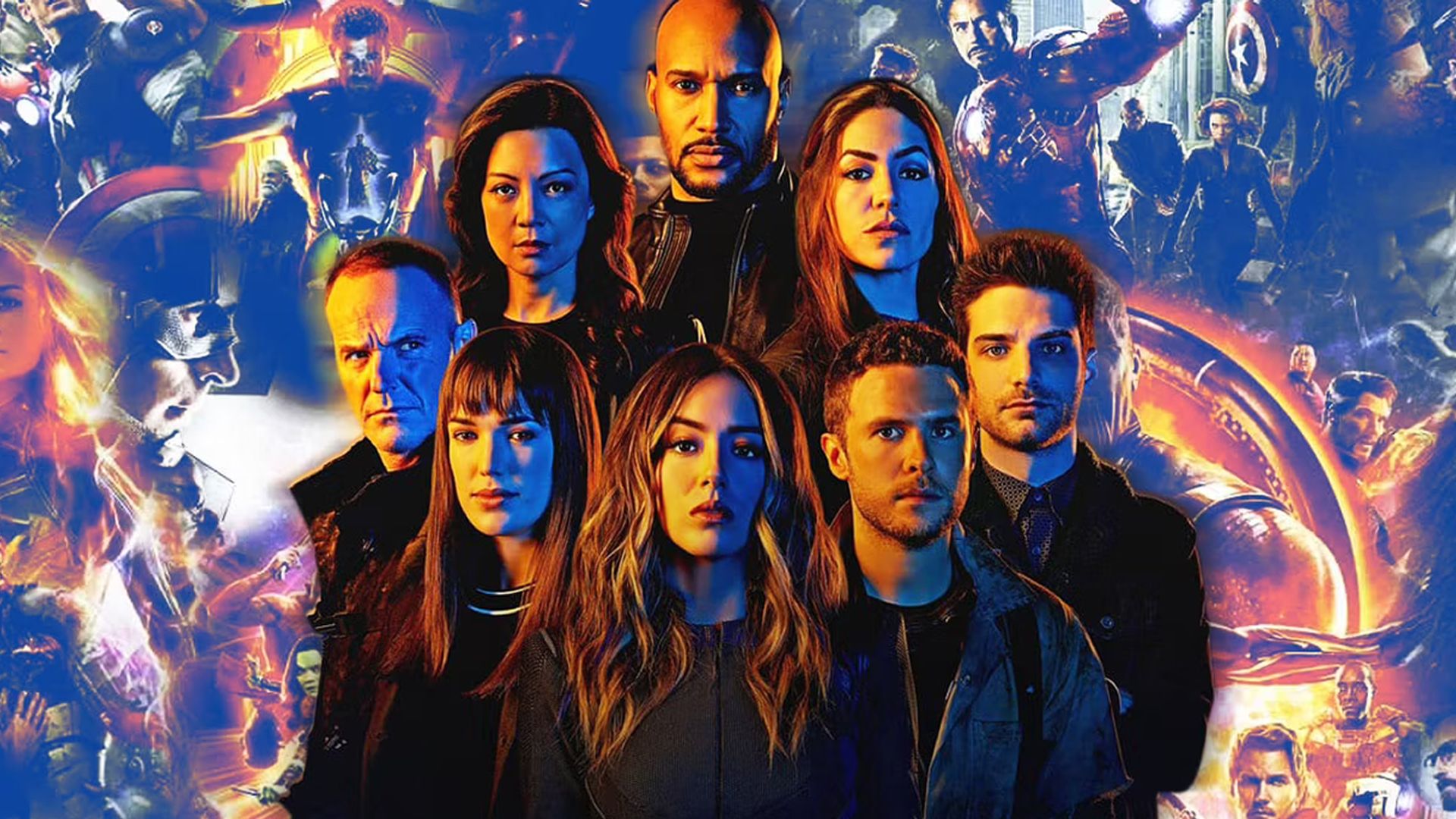
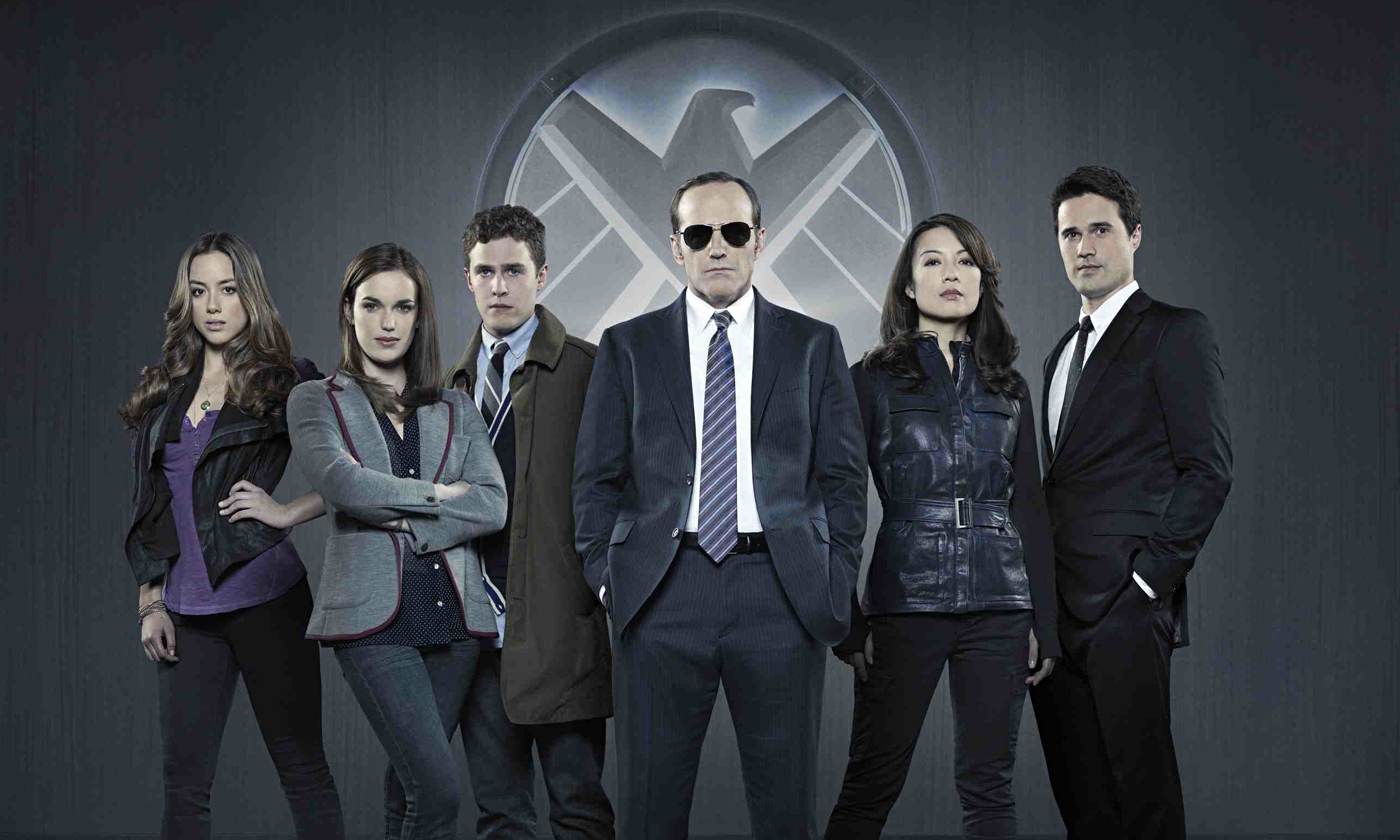
The core purpose of this guide is to map the moral compass of the Marvel espionage network. S.H.I.E.L.D. characters aren’t just fighters; they are decision-makers who juggle truth, secrecy, and lives. For example, Nick Fury’s pragmatic cynicism often clashes with Phil Coulson’s idealistic hope, showing how different leadership styles can save—or endanger—the world. This dynamic offers a powerful life lesson: conflict within a team can be a strength, not a weakness, when channeled toward a common goal.
Among the heroes, Phil Coulson stands as the heart of the organization. His unwavering belief in humanity’s potential, even after death and betrayal, reminds us that kindness and dedication are forms of courage. On the other end, Daisy Johnson (Quake) evolves from a vulnerable hacker into a commanding leader, teaching us that personal trauma can forge resilience. Her journey shows that heroes aren’t born—they are built through failure and perseverance.
Must Read
Villains in S.H.I.E.L.D. are equally compelling, often reflecting real human flaws. Grant Ward is a masterclass in manipulation, a victim of abuse who becomes a monster. He illustrates how trust is a tool—and a dangerous one when placed in the wrong hands. Meanwhile, John Garrett and Hive explore themes of control and ideological corruption, reminding us that the greatest threats often come from within secure systems. These villains aren’t just obstacles; they are cautionary tales about power without empathy.
The key players—like Melinda May, the silent warrior, or Leo Fitz and Jemma Simmons, the brilliant scientists—balance the team. May’s “the Calvary” backstory teaches that past trauma doesn’t define your future utility, while FitzSimmons’ partnership shows that intelligence and love can solve almost any problem. Even smaller figures, like the ruthless Victoria Hand, highlight how bureaucracy can be both a shield and a weapon.
 Agents Of Shield Heroes : Every Member of Marvel’s Agents of SHIELD
To explore this world on your own, start by watching Agents of S.H.I.E.L.D., focusing on Season 1’s “Turn, Turn, Turn” for a defining twist. Read the comics like Secret Warriors (2017) to see characters in action outside the show. You can also build a mental map: list each character’s core motivation (security, redemption, knowledge) and watch how they change across episodes. Finally, discuss with fans online—their insights will reveal layers you missed.
Ultimately, S.H.I.E.L.D. characters resonate because they mirror our own struggles: the need to trust, the fear of betrayal, and the fight for a better tomorrow. By understanding them, you gain not just a richer viewing experience, but a framework for navigating real-life alliances and conflicts. In a world of chaos, these characters remind us that the best weapon is a clear heart and a sharp mind.