Symptoms Of Dvt And Pulmonary Embolism: What To Watch For After Hospitalization
So, you’ve been sprung from the hospital. You’re wearing your favorite sweatpants, the ones with the mysterious stain, and you’re ready to binge-watch three seasons of a reali...

So, you’ve been sprung from the hospital. You’re wearing your favorite sweatpants, the ones with the mysterious stain, and you’re ready to binge-watch three seasons of a reality show. Hold on, cowboy. Before you get too comfortable, let’s talk about the sneaky party crashers that like to show up after a hospital stay: Deep Vein Thrombosis (DVT) and its big, scary cousin, Pulmonary Embolism (PE). It sounds terrifying, but knowing what to look for is half the battle—like having a flashlight in a haunted house.
Your Leg is Trying to Tell You a Secret
First up, DVT. This is a blood clot that sets up shop in a deep vein, usually in your leg. Think of it as a tiny, unwelcome squatter throwing a rager in your blood vessel. The main symptoms are easy to remember because they’re so dramatic: swelling in one leg that makes it look like you’ve smuggled a football into your calf, a deep ache that feels like a bad charley horse, and skin that’s warm to the touch and turns a shade of angry red.
If your calf suddenly looks like it’s been hitting the gym while the other one naps, pay attention. It’s not a new fashion statement. Warm, red, and swollen is the clot’s calling card. And a weird fact: you can get this even if you’ve been sitting still for a long car ride or a Netflix marathon. Your body doesn’t care about your binge-watching goals.
Must Read
When the Clot Decides to Travel
Now, the real party foul. If that clot breaks loose, it becomes a traveler—a very dangerous hitchhiker. It rides your bloodstream up to your lungs, and that’s called a Pulmonary Embolism. This is the part where we stop joking for a second, but it’s vital. The number one symptom is sudden, severe shortness of breath. Not “I’m a little winded from shouting at the TV,” but “I just ran a marathon while being chased by a bear” breathlessness.
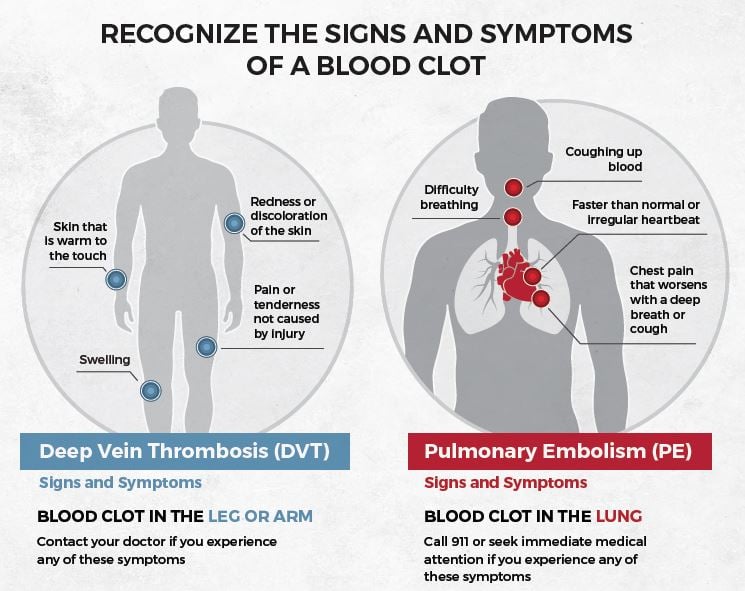 Signs and Symptoms of Blood Clots
You might also get a sharp, stabbing chest pain that gets worse when you take a deep breath or cough. It feels like someone is poking your lung with a very pointy, angry stick. Another surprising sign? You might cough up blood. It’s not romantic like a vampire novel; it’s a serious red flag that means “get to an ER, now.” Don’t try to power through this one with a cough drop and a positive attitude.
Are You the High-Risk Superstar?
After a hospital stay, you’re suddenly in the VIP section for blood clots. Surgery, being stuck in bed, and even the trauma of being poked by needles all increase your risk. It’s like your blood throws a temper tantrum and decides to clump together. Immobility is the #1 villain here—your blood gets lazy and sluggish, like a teenager on summer break. Also, did you know that simply being in the hospital raises your risk by up to 10 times? That’s worse odds than getting an upgrade to first class.
 Clinical Pathology: Pulmonary Embolism and Deep Vein Thrombosis | ditki
Your Action Plan: Less Boredom, More Movement
So, what do you do? First, move your legs. Every hour, wiggle your toes, flex your ankles, or march in place. Pretend you’re a flamenco dancer, but without the fancy shoes. Second, stay hydrated. Your blood hates being thick like milkshake; keep it watery. Third, stop ignoring the signs. Swollen leg? Don’t just slap a compression sock on it and pray. Short of breath? Do not blame it on the hospital Jell-O. Get checked out.
If you experience sudden chest pain or trouble breathing, call 911. Don’t drive yourself, don’t call your mom for advice first. This is not the time to be a hero. A little paranoia after surgery is totally fine; you’re not being dramatic, you’re being alive. And that’s way more fun than a blood clot’s uninvited vacation.
