Symptoms Of Low Vitamin D

We often take our energy and resilience for granted, enjoying the simple pleasure of a morning jog or a focused afternoon at work. Yet, behind that vitality is an unsung hero:...
We often take our energy and resilience for granted, enjoying the simple pleasure of a morning jog or a focused afternoon at work. Yet, behind that vitality is an unsung hero: vitamin D. Its key purpose is to regulate calcium absorption, ensuring strong bones and a robust immune system. For everyday life, this means fewer sick days, better mood stability, and the ability to stay active as we age. Without it, the body’s foundation quietly weakens.
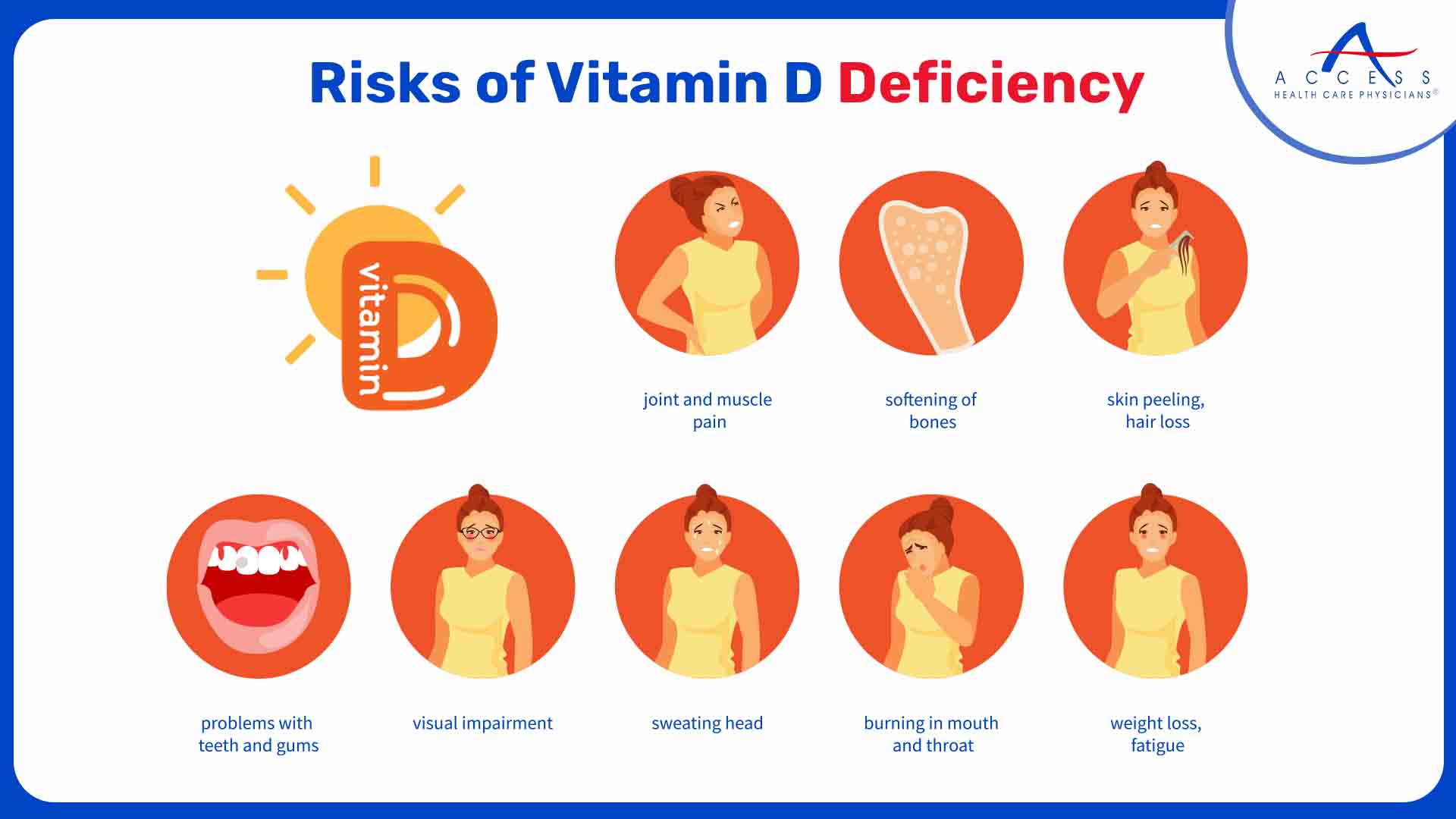
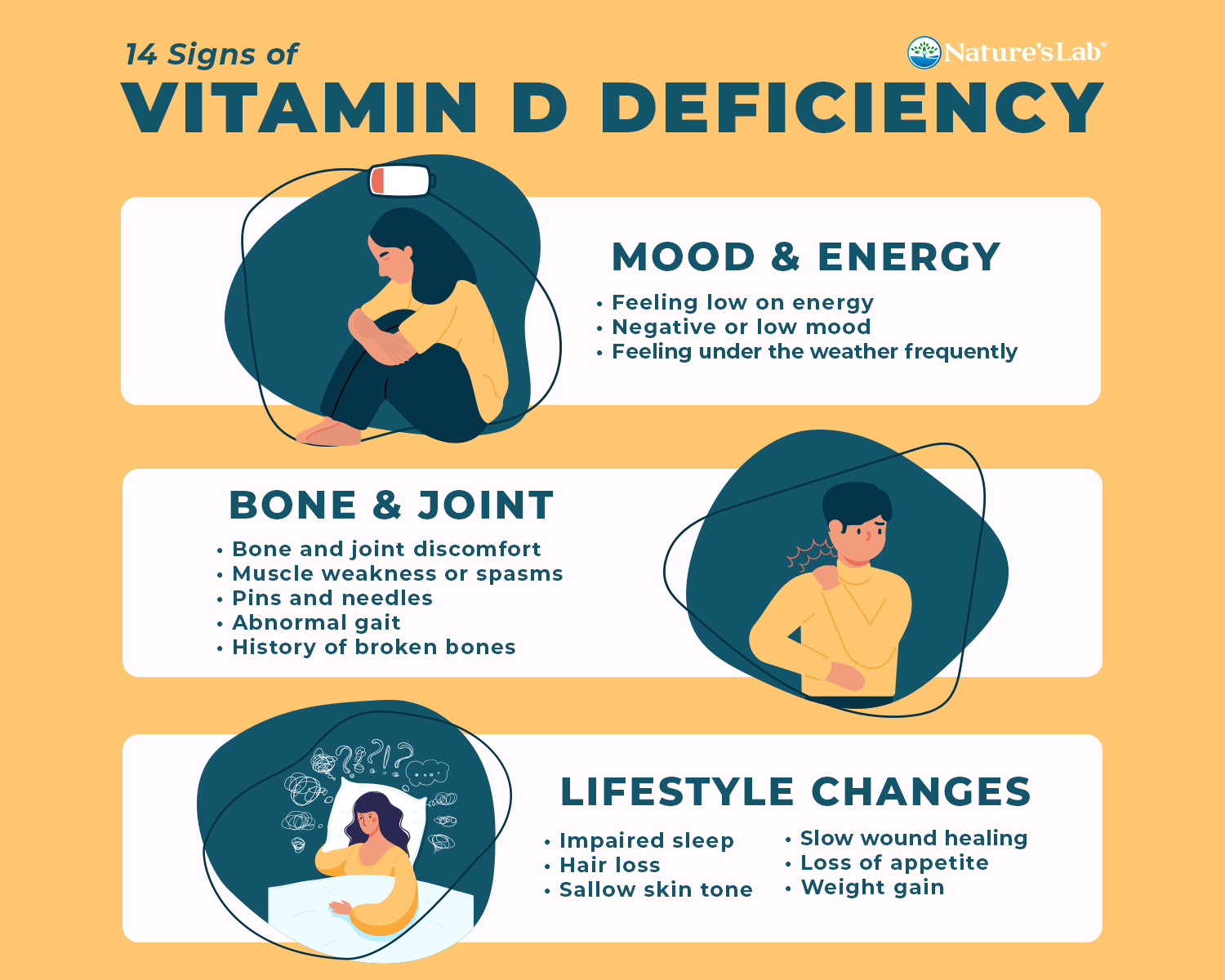
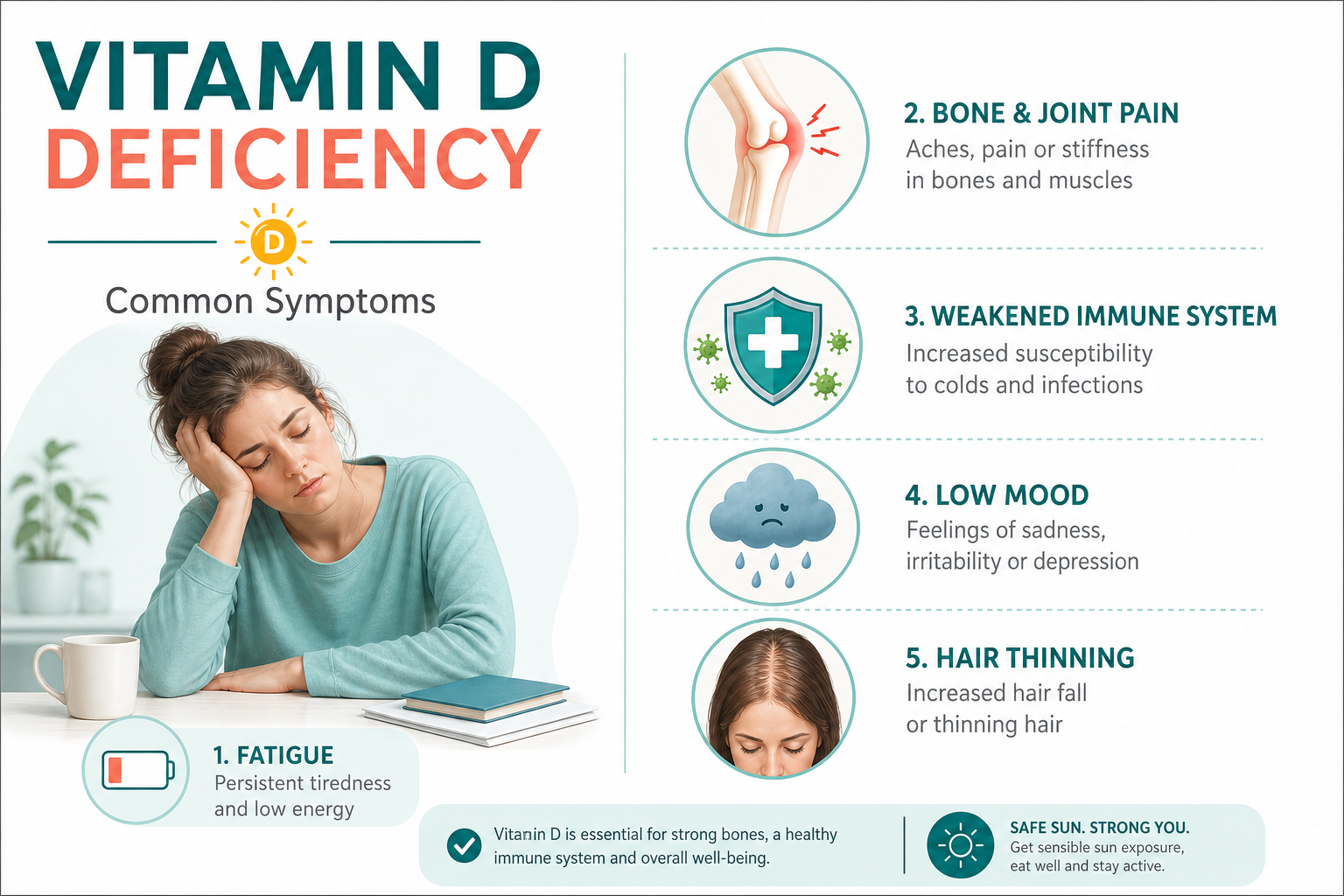
The most common symptom of low vitamin D is a persistent, unexplained fatigue. Imagine waking up after eight hours of sleep feeling as though you haven’t rested at all—this is not laziness; it could be a signal. Many people dismiss it as stress or burnout, but research shows that even moderate deficiency can drain your energy. If you feel consistently sluggish despite good sleep, it’s worth exploring your vitamin D levels.
Another clear sign is frequent illness or slow recovery. If you catch every cold that circulates the office, or if a minor cut takes weeks to heal, your immune system may be underperforming. Vitamin D activates T-cells, the body’s frontline defenders; without enough, you become more vulnerable to infections. Scenarios like seasonal flu hitting you harder than others often trace back to this deficiency.
Must Read
Unexplained bone or muscle pain is a third major clue. A dull ache in your lower back, hips, or legs—especially after mild activity—can mimic arthritis or fibromyalgia. But when vitamin D is low, bones lose density and muscles become weak. An example: someone who used to climb stairs briskly now avoids them due to creaky joints and stiffness. This pain is not normal aging; it’s often reversible with treatment.
Mood changes, particularly sadness or anxiety, are also linked to low vitamin D. The brain has receptors for this vitamin, and deficiency disrupts serotonin production. You might feel unexplained gloom in winter months or struggle with irritability. One study found that correcting low D levels lifted depressive symptoms within weeks—a simple fix with profound emotional benefits.
 Vitamin D Deficiency: Symptoms, Causes, Treatment & Prevention Guide (2026)
To explore your own risk, start with a blood test from your doctor—it’s the only reliable method. Then, spend 15–20 minutes in midday sunlight (without sunscreen) on your arms and legs, if safe. Foods like fatty fish (salmon, mackerel), egg yolks, and fortified milk can help. For deeper insight, consider a vitamin D supplement (often D3), but only after checking your levels first.
Recognizing these symptoms early can transform your daily life—restoring energy, immunity, and mood. Listen to your body’s quiet signals; it’s often whispering what it needs before you feel the ache. By addressing low vitamin D, you reclaim the simple joys of feeling strong and alert in every season.