What Does Flex Mean In Fantasy Football

Welcome to the most versatile position in your fantasy football lineup! If you’ve ever stared at your roster and wondered, “Should I start a third running back or a fourth wid...

Welcome to the most versatile position in your fantasy football lineup! If you’ve ever stared at your roster and wondered, “Should I start a third running back or a fourth wide receiver?”, the Flex spot is your best friend. It’s the slot that lets you break the rigid rules of a typical starting lineup, giving you the freedom to flex your strategic muscle. This little position is a game-changer because it transforms tough decisions into winning opportunities—you get to play your best player, regardless of their listed position, as long as they fit the Flex rules.
The core purpose of the Flex is simple: maximize your points by plugging in a player from a designated pool—usually running backs, wide receivers, or tight ends. The advantage? You don’t have to bench a hot hand just because your starting running back slots are full. For example, if your league’s Flex allows all three positions, you can start a top-tier running back in your RB slot, another in the Flex, and still also start a breakout wide receiver. This flexibility encourages depth on your roster and rewards you for smart draft picks or savvy waiver wire moves.
Let’s get creative with examples. Imagine it’s Sunday morning, and your starting running back is injured. You have a solid backup RB, but you also have a red-zone monster tight end like Travis Kelce. Instead of benching Kelce because you already have a tight end, you slide him into the Flex! Suddenly, your lineup is stronger because you’re playing two tight ends—a tactic that can dominate if your league’s scoring favors them. Another idea: during bye weeks, use the Flex to start a high-upside wide receiver who’s facing a weak secondary, even if your other WRs are already locked in. The Flex is your wild card—use it to chase matchups or exploit a single player’s hot streak.
Must Read
Here’s a creative twist for risk-takers: “The Double RB Flex.” If you have three reliable running backs, start two in your RB slots and put the third in the Flex. Running backs often get more touches and goal-line carries, giving you a higher floor than a wide receiver. But don’t ignore the “Zero RB” strategy: load up on elite wide receivers, start two at WR, and put a third in the Flex. This works beautifully in PPR (points per reception) leagues because wide receivers catch more passes. The key is knowing your league’s scoring—what’s valuable in one league can be a trap in another.
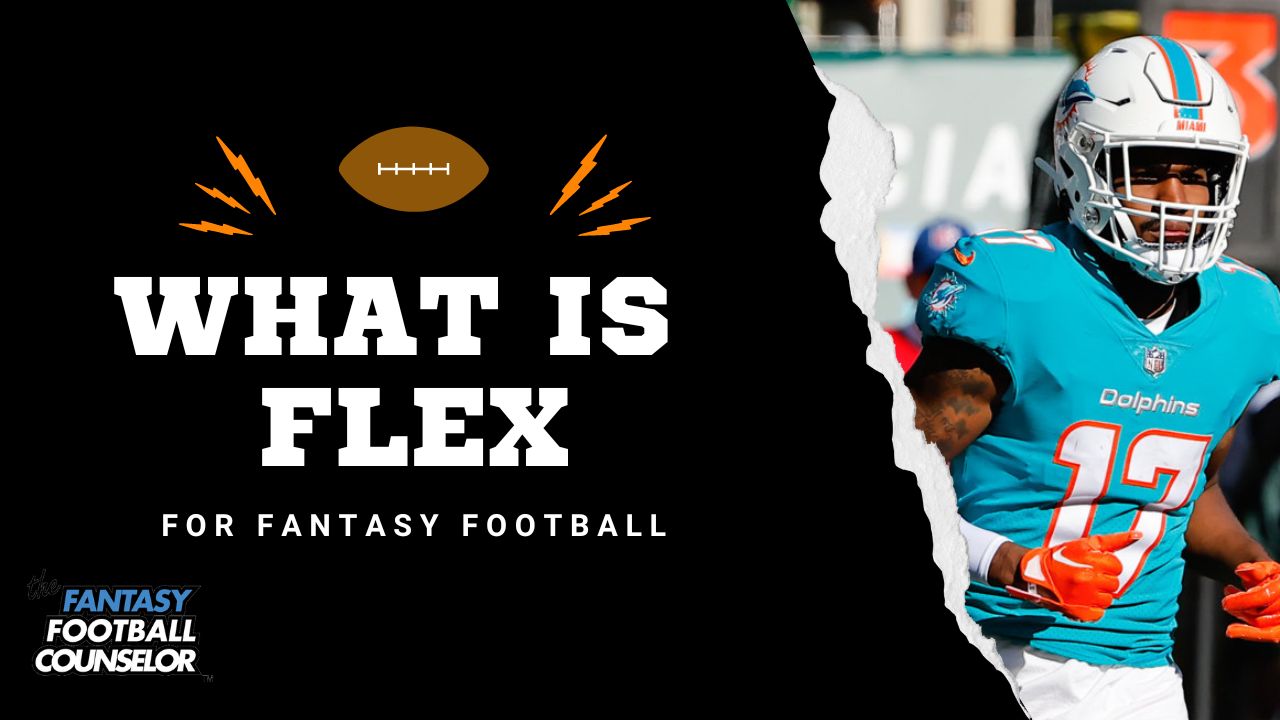 What Is A Flex In Fantasy Football at Loretta Burroughs blog
Practical advice? First, never waste your Flex on a kicker or defense—that’s a rookie mistake. Instead, treat the Flex as a bonus starting spot. Second, check your league’s rules: some Flex spots are “Super Flex” and allow quarterbacks, which changes everything. Third, stack your bench with versatile players who can slot into multiple positions. A running back who also qualifies as a wide receiver (like a dual-threat gadget player) is pure gold. Finally, on game days, be flexible with your Flex—if a player is ruled out late, swap in a backup from a later game. The Flex rewards adaptability.
To wrap it up: the Flex isn’t just a position—it’s your secret weapon. It allows you to out-think your opponents by giving you roster freedom that standard lineups lack. Whether you choose a steady running back, a explosive wide receiver, or a freak tight end, remember that the Flex is your decision. Trust your research, ride the hot hand, and don’t be afraid to experiment. Once you master the Flex, you’ll wonder how you ever played without it. Now go flex your lineup and win some games!