What Happens If U Eat Mold

From the tangy bite of blue cheese to the earthy depth of a well-aged salami, we willingly embrace certain molds as culinary treasures. These carefully cultivated fungi are th...
From the tangy bite of blue cheese to the earthy depth of a well-aged salami, we willingly embrace certain molds as culinary treasures. These carefully cultivated fungi are the secret behind some of the world’s most beloved flavors, transforming simple ingredients into complex, savory delights. Their purpose is to preserve, ferment, and enhance, offering a daily benefit of taste and variety that many of us take for granted.
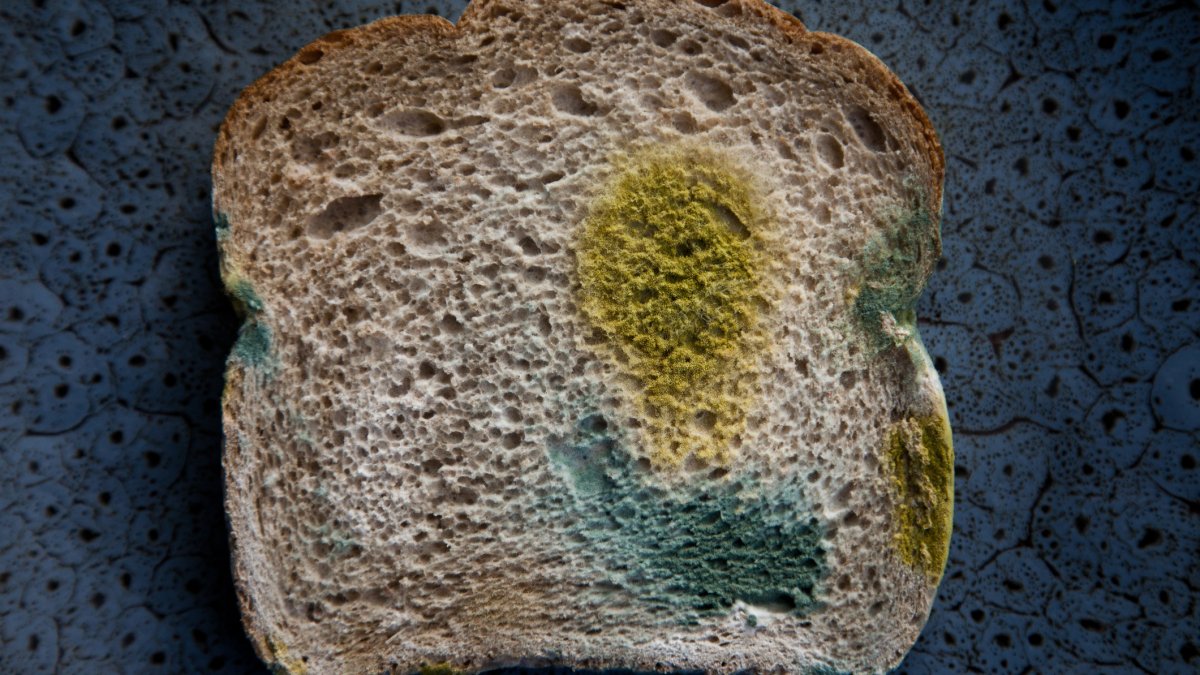
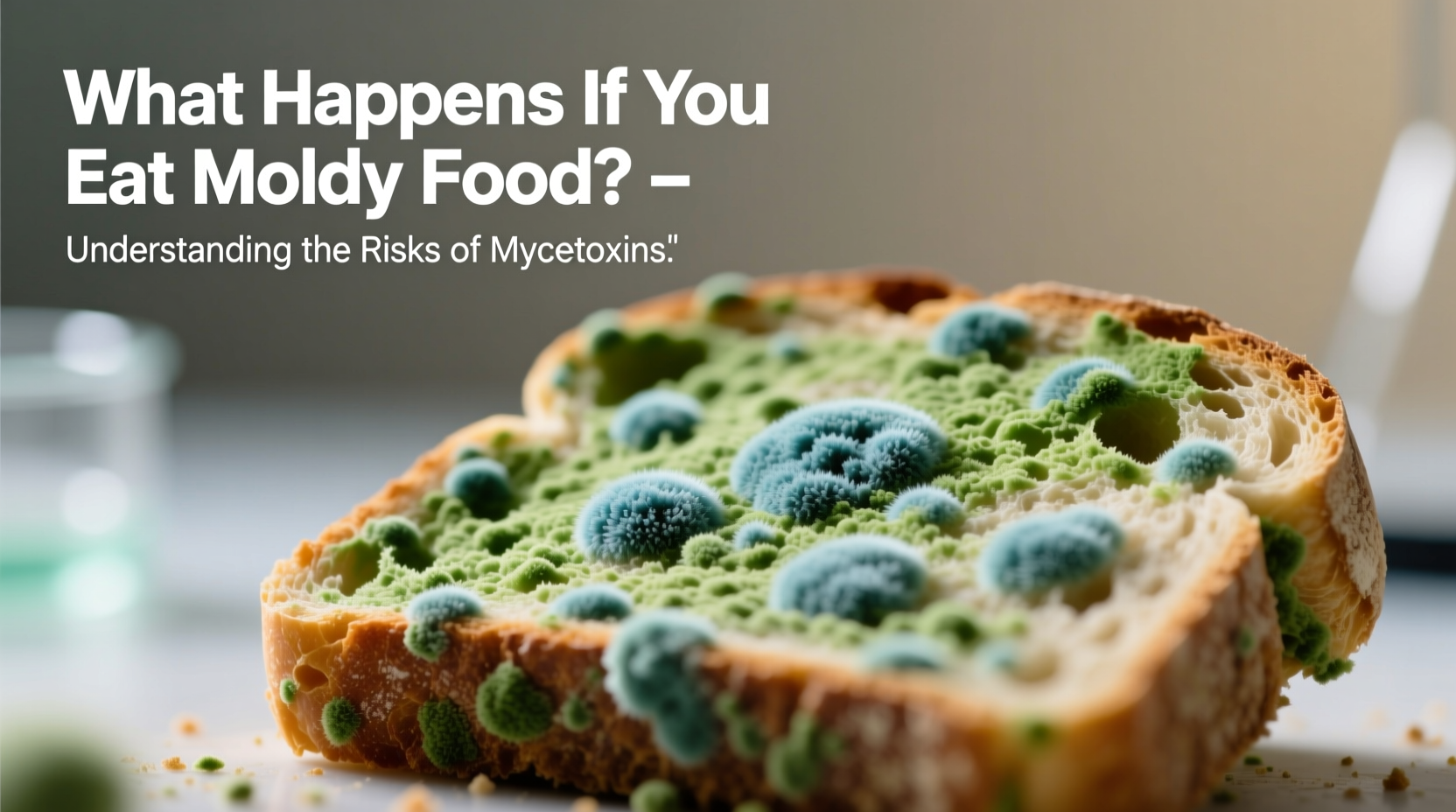
However, the mold that appears on your leftover bread or forgotten berries is a different story entirely. This is uncontrolled, wild mold that comes with hidden risks. When you spot a fuzzy green or black patch on your food, the visible surface is just the tip of the iceberg. The mold’s roots, called hyphae, can penetrate deep into soft, porous foods like bread, yogurt, or jam, spreading invisible contamination far beyond the obvious spot.
Eating that visible moldy patch often leads to a distressing experience. Your body’s first line of defense is a strong, bitter taste that can instantly turn your stomach. In many cases, you might simply feel a wave of nausea or develop an upset stomach as your digestive system attempts to reject the foreign invader. For most healthy individuals, this will be the extent of the reaction—unpleasant, but not dangerous.
Must Read
Yet, the consequences can be more severe. Certain molds produce mycotoxins, toxic chemical compounds that can cause more serious illness. Aflatoxins, for example, are particularly dangerous and can form on grains and nuts. Symptoms from mycotoxin exposure may include persistent vomiting, headache, or even allergic reactions like respiratory distress. People with weakened immune systems, asthma, or allergies face the highest risk of a significant adverse reaction.
The best course of action is simple prevention. On hard, dense foods like hard cheese or firm vegetables (carrots, bell peppers), you can safely cut away at least one inch around and below the mold spot. But for soft, moist, or porous items—like bread, soft fruits, lunch meats, cooked pasta, and yogurt—the rule is immediate and total disposal. Do not try to salvage them; when in doubt, throw it out.
 What happens if you eat mold?
To explore what safe, intentional molds offer, visit your local cheese shop and ask for a sample of a washed-rind cheese, or try a dry-aged steak at a reputable restaurant. Notice the complex, nutty flavors that only controlled mold can create. At home, you can inoculate milk with a starter culture to make your own yogurt, a process that uses beneficial bacteria—a cousin to mold—to transform ingredients in a safe, delicious way.
Ultimately, understanding the difference between a crafted delicacy and a spoiled hazard empowers your daily choices. Respect the mold you invite into your kitchen, and swiftly discard the one that intrudes. Your taste buds—and your stomach—will thank you for the discernment.