What Part Of The Leek Do You Use

There’s something deeply satisfying about figuring out a kitchen puzzle, especially one as wonderfully simple as the leek. This elegant cousin of the onion and garlic often si...

There’s something deeply satisfying about figuring out a kitchen puzzle, especially one as wonderfully simple as the leek. This elegant cousin of the onion and garlic often sits in the grocery store looking a bit mysterious, with its long, pale green leaves and a tough, dark top. The question isn’t whether you like leeks—it’s what part of the leek do you actually use? Getting this right turns a potentially wasteful ingredient into a star of soups, sautés, and stews, saving you money and unlocking a delicate, sweet flavor that nothing else can match. For home cooks and professional chefs alike, mastering this vegetable brings a quiet, practical joy to everyday cooking.
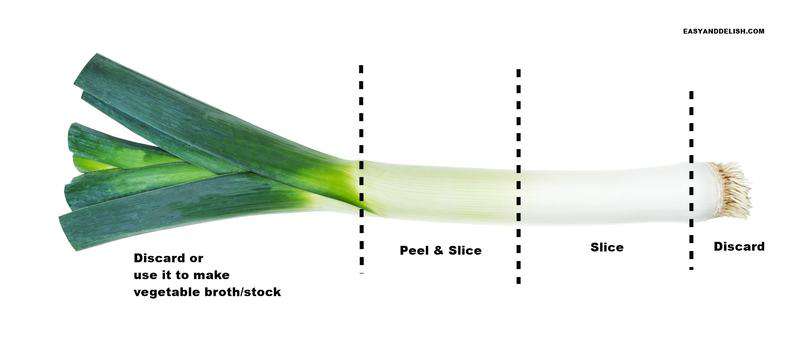
At its heart, the answer is refreshingly clear: you use the white and light green parts of the leek. The dark green tops, while not inedible, are famously tough and fibrous—like eating stiff grass. Think of the leek as having two distinct jobs: the tender lower portion is your flavor workhorse, while the dark green part is better suited for stock or the compost bin. This distinction is the key to enjoying leeks without chewing through a mouthful of stringy leaves. The main purpose here is to maximize texture and flavor, ensuring every bite is soft, sweet, and satisfying.
Most recipes you know—like a creamy potato-leek soup, a risotto, or a simple buttered leek side dish—specifically call for the white and pale green sections. The reason is simple: these parts are packed with a mild, oniony sweetness that becomes buttery and tender when cooked. Imagine slicing them into thin rings, then slowly sautéing them in butter until they’re almost jammy. That’s the gold standard of leek use. On the flip side, if you’ve ever tried eating the dark tops raw or in a quick stir-fry, you know they turn into a chewy, unpleasant mess. It’s not the leek’s fault—it’s just a matter of choosing the right part.
Must Read
But here’s a common variation that many home cooks miss: you don’t have to throw the dark greens away entirely. They are perfect for flavoring stocks and broths. When you’re making a chicken or vegetable stock, toss those tough tops into the pot. They’ll release their subtle leek essence without any of the chewiness. Some adventurous cooks even use them to wrap herbs for a bouquet garni or grill them into a smoky paste, but for most of us, the dark greens are a stock-only zone. This simple trick reduces waste and adds depth to your cooking.
 Instant Pot Potato Leek Soup (Vegan) - Easy and Delish
To get started, the technique is straightforward but important. First, trim off the root end and the dark green leaves, leaving about an inch of the pale green area. Then, slice your leek lengthwise and rinse it thoroughly under cold water—leeks are famous for hiding grit and sand between their layers. Spread the layers open, wash until no dirt remains, and then chop crosswise into rings or half-rings. For the most tender results, focus on using only the part that feels pliable and light green, discarding any woody sections. A good rule of thumb: if it’s dark green and stiff, it goes into the stock bag.
The real joy of this knowledge is how it changes your cooking. Suddenly, a leek isn’t a tricky vegetable—it’s a reliable, delicious friend. You can buy a bunch, use the tender whites for a silky soup on a rainy evening, and stash the greens in the freezer for next week’s broth. This small habit makes you feel resourceful, not wasteful. Whether you’re a seasoned cook or a curious beginner, understanding that the leek’s best part is its pale, elegant heart will bring a new appreciation for this humble, beautiful allium.


