What Percentage Of Food Turns Into Poop

Let’s be honest, you’ve probably wondered this while staring at the toilet bowl after a big meal: how much of that glorious food actually turns into poop? It’s the kind of que...
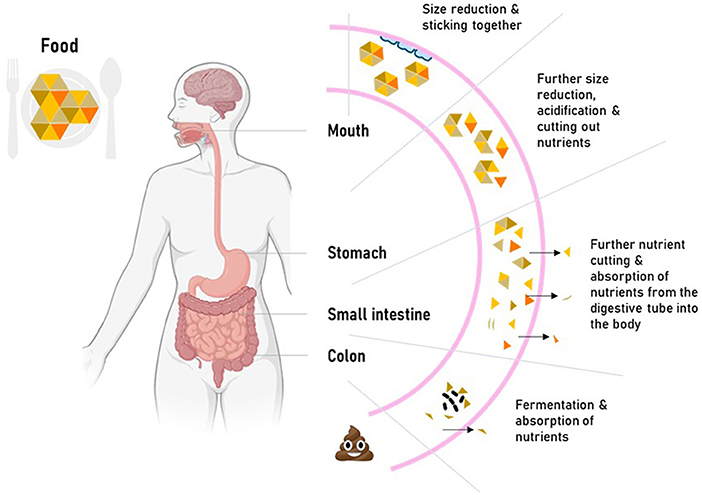
Let’s be honest, you’ve probably wondered this while staring at the toilet bowl after a big meal: how much of that glorious food actually turns into poop? It’s the kind of question that seems too gross to ask, but too fascinating to ignore. Spoiler alert: the answer is surprisingly little, and it involves your body acting like a ridiculously efficient, lazy bouncer at a nightclub.
So, what’s the magic number? Generally speaking, only about 5 to 10 percent of the food you eat becomes poop. That’s right—90 to 95 percent of that pizza, salad, or triple-fudge cake gets absorbed into your bloodstream. Your body is basically a greedy sponge, hoarding all the good stuff for energy, growth, and Netflix-binge brain fuel.
The rest? That remaining 5–10% is just the sorry leftovers your body couldn’t use. We’re talking indigestible fiber, dead bacteria, old cells from your gut lining, and water. Think of it as the trash bin after a massive party: the food is gone, but the napkins, confetti, and a few sad chip crumbs remain.
Must Read
Why isn’t it 100%? Thank your tiny roommates.
Here’s where it gets weird. A huge chunk of your poop—like, about a third to a half—isn’t even food at all. It’s dead bacteria. Your guts are home to trillions of microbes that throw a constant rave, and when they die, their little bacterial bodies get flushed out. That brown log? It’s a tiny cemetery of microscopic party animals.
So when you glance at your “finished product,” you’re mostly seeing the ghost of microbes past, plus some tough plant fibers (like celery strings) that laughed in the face of your stomach acid. Your body is basically a recycling plant with a very picky doorman.
 How Food Turns Into Poop? | 3D Digestive Process Animation in 60
Does the type of food change the poop percentage?
Oh, absolutely. Eat a steak? Your body will absorb about 95 percent of the protein and fat, leaving very little to exit. It’s like a burglar who takes everything but the sock drawer. But eat a plate of corn? You’ll see those golden kernels waving goodbye tomorrow. Corn’s outer shell is made of cellulose, which humans can’t digest. You are a corn-based time capsule, my friend.
Fiber-rich foods (like beans, broccoli, or bran flakes) produce more poop because your microbes ferment the fiber, which bulks up the exit material. It’s why the “ultimate pooper” is a vegan who just ate a burrito: lots of volume, very little shame.
 How Food turns into Poop? - YouTube
What about “that weird one” where it looks like you ate a whole meal?
If you ever have a poop that looks suspiciously like the lasagna you inhaled three hours ago, that’s not a good sign. That suggests your body is moving food through faster than a toddler on a sugar rush—called rapid gastric emptying. Usually, food spends 24 to 72 hours in your system. If it shows up looking like a diorama of your dinner, something in your digestive factory is on strike.
On the flip side, the average American produces about 100 to 250 grams of poop per day. That’s about half a pound of… well, you know. Over a year, that’s roughly your own body weight in poop. Congratulations, you’ve been carrying a clone of yourself to the bathroom annually.
The bottom line (pun intended)
So next time you flush, remember: you are a magnificent, wasteful machine. Only 5–10% of what you eat becomes poop, and the rest is kept for energy, brainpower, and keeping your microbe friends alive. Eat that fiber, drink water, and marvel at the fact that your body is basically a thrift store: takes what it wants, donates the rest, and keeps the bacteria ghost town running.

