When Did El Salvador Gain Independence

There’s something genuinely enjoyable about diving into the history of a country’s birthday. It’s not just a dry date on a calendar; it’s the story of a nation deciding its ow...
There’s something genuinely enjoyable about diving into the history of a country’s birthday. It’s not just a dry date on a calendar; it’s the story of a nation deciding its own fate. When we ask, “When did El Salvador gain independence?” we’re unlocking a practical piece of Central American identity that resonates for travelers, students, and Salvadorans themselves. The main purpose here is simple: knowing this date connects you to festivals, cultural pride, and a deeper understanding of the region’s modern politics. For a traveler, it explains why September 15th is a national party. For a student, it clarifies the ripple effects of European colonialism. For anyone, it’s a fascinating tale of a small country with a big heart.
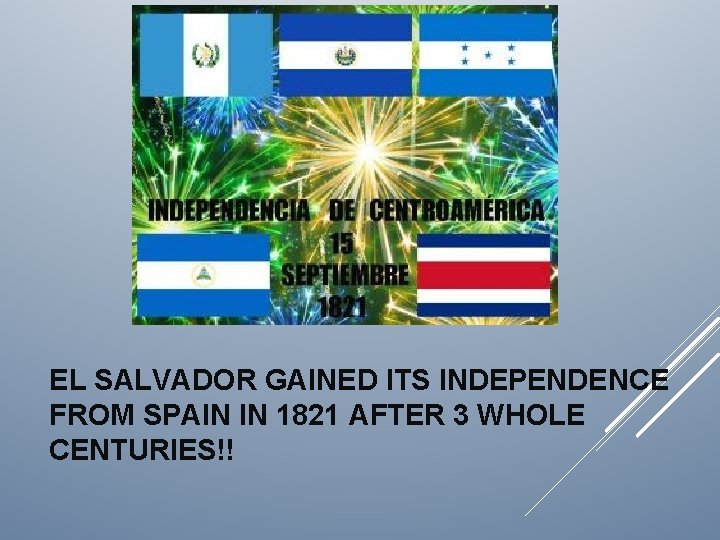
The short answer is that El Salvador gained independence from Spain on September 15, 1821. But here’s the twist that makes it so interesting: this wasn’t a bloody revolution like in the United States or Mexico. Instead, it was part of a much larger, peaceful domino effect. The news of independence from Spain arrived in San Salvador from Guatemala City, where the Captaincy General of Guatemala had declared its freedom. Salvadorans didn’t fight their own war that day; they simply received the word and celebrated. This shared origin explains why many Central American nations—Guatemala, Honduras, Nicaragua, and Costa Rica—all celebrate the same date, a rare and unifying variation in world history.
Most people recognize the common variation of this story: the Act of Independence of Central America, which briefly united the region as a single nation called the Federal Republic of Central America. This is a crucial nuance. For a short period after 1821, El Salvador was not its own country; it was a state within that federation, which also signed a quick union with Mexico in 1822. El Salvador didn’t actually become a fully sovereign republic until 1841, after the federation dissolved. So, while the official independence day is September 15, 1821, the country’s complete, standalone independence is a later chapter—a fact many locals know and appreciate during their patriotic celebrations.
Must Read
To make the most of this knowledge, start by framing it as a celebration of collective freedom rather than a single battle. When September 15th rolls around, Salvadorans fill the streets with parades, school bands playing national anthems, and a sea of blue and white flags. For visitors, the actionable tip is simple: go to a local “desfile” (parade) and enjoy the pupusas and atol. For students, a great way to start is by reading the actual 1821 Act of Independence, which is short and available online. It’s a primary document that reads more like a formal announcement than a war cry, which perfectly captures the unusual, peaceful flavor of this independence.
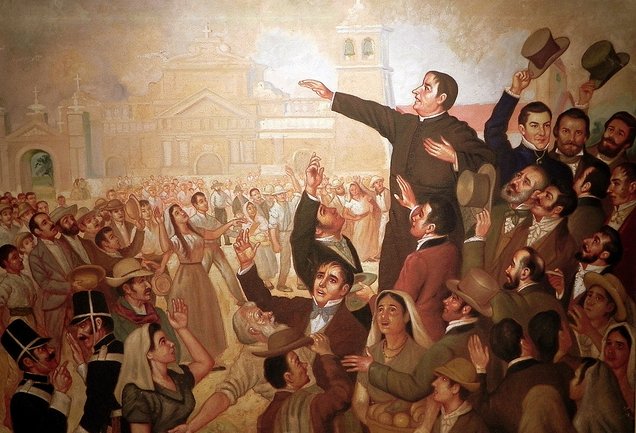
.jpg?format=1500w) 200 Years Of Independence El Salvador — LifeALaMelly
200 Years Of Independence El Salvador — LifeALaMelly
Another easy tip is to connect this date to the country’s indigenous roots. Unlike other Latin American nations, El Salvador’s independence didn’t immediately free the native Pipil people from oppression. The benefits of independence—political voice, property rights—took decades to trickle down. A practical way to honor this is to learn about the 1932 peasant uprising, which was a tragic struggle for the freedoms promised on that 1821 paper. This adds depth to your understanding; you realize the independence date is a starting line, not a finish line, for true social liberation.
Finally, don’t overlook the food and music that define the celebration. The most fun way to experience El Salvador’s independence is through its flavors on September 15th. Pupusas, yuca frita, and tamales are everywhere, often paired with traditional dances and cumbia music. For a traveler, getting started is as easy as asking a local about their family’s plans—they’ll likely invite you to share a meal. This communal spirit is the real benefit of knowing the history: it turns a simple date into a rich, sensory story. So, whether you’re reading a textbook or eating a pupusa, remember: El Salvador’s independence began on a peaceful September day, but its legacy is a vibrant, ongoing celebration of identity.