Where Did Knights Live In Medieval Times

Few images capture the imagination quite like that of a medieval knight—the gleaming armor, the noble steed, and the code of chivalry. But beyond the romantic tales, one pract...
Few images capture the imagination quite like that of a medieval knight—the gleaming armor, the noble steed, and the code of chivalry. But beyond the romantic tales, one practical question helps bring their world to life: where did they actually live? Understanding a knight’s home offers a fascinating glimpse into medieval daily life, revealing how architecture, security, and social status were intertwined. It enriches our appreciation of history, showing that the knight’s real-life fortress was far more than a backdrop for legends.
At its core, a knight’s dwelling served two essential purposes: defense and display. The home was not merely a shelter but a statement of power and a hub for managing estates. For everyday life, this meant that a knight’s residence was designed to withstand sieges while also hosting feasts, managing soldiers, and storing provisions. The benefits were tangible: a well-built castle or manor kept the knight and his family safe from local conflicts and allowed them to control the surrounding farmland and trade routes.
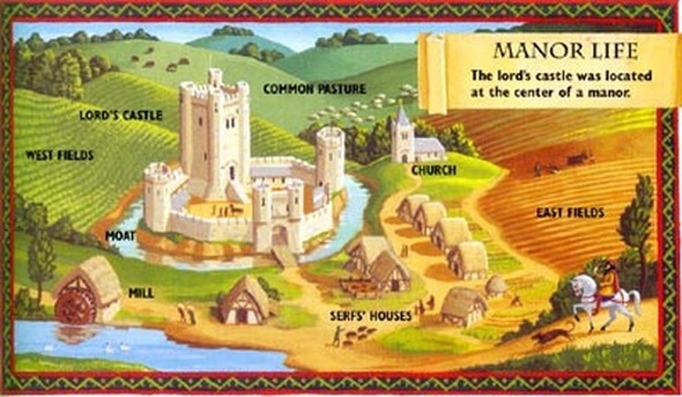
For a lord or a wealthy knight, the answer was often the iconic stone castle. Imagine a structure with thick walls, battlements, and a deep moat. These were not just for show; they provided a refuge during raids. A knight living in a castle would have his own tower chamber, while his soldiers slept in the great hall. The keep—the strongest part of the castle—was the last line of defense, storing food and weapons. A visitor would be impressed by the gatehouse, portcullis, and the constant bustle of blacksmiths and cooks.
Must Read
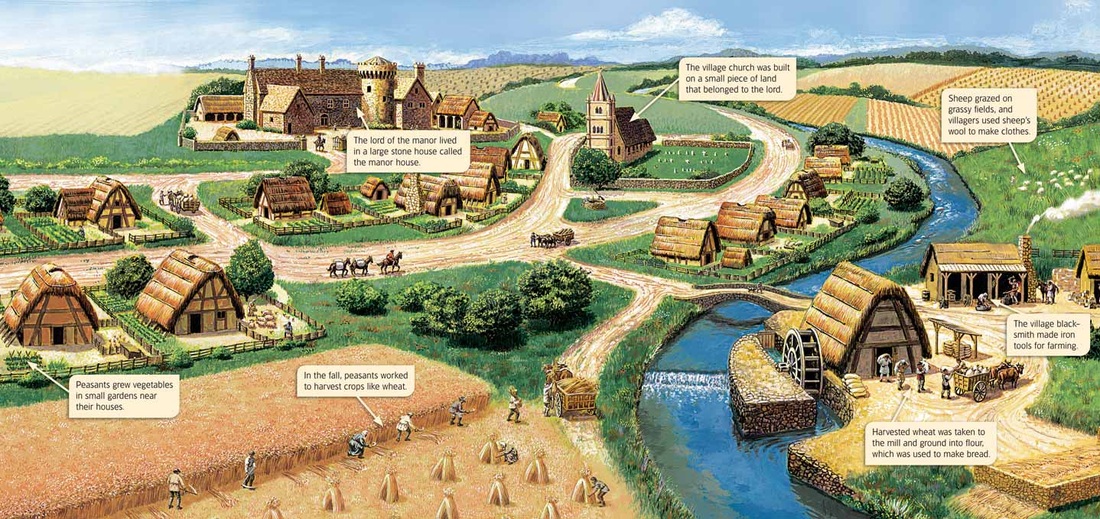
Not every knight could afford a sprawling fortress. Many, called knights of the manor, lived in fortified manor houses or even large farmsteads. Picture a two-story building of timber and plaster, surrounded by a simple ditch and wooden palisade. Inside, the knight’s family ate in the great hall, while the kitchen and stables were nearby. This was a working home, blending daily chores with defensive readiness. One example is the moated farmhouse, common in parts of Europe, where the water provided both a barrier and a water source.
For knights serving a king or a powerful lord, home wasn’t always permanent. Many lived in royal castles as part of their duty, occupying comfortable chambers within the ruler’s fortress. Others resided in townhouses in cities, especially during periods of peace or for attending court. In such cases, their home was smaller but still a reflection of status—often featuring a private chapel, storerooms for armor, and a stable for warhorses.
 Serfs Feudalism at Margaret Cambell blog
To explore this world yourself, start with a visit to a local castle or manor house open to the public. Notice the thickness of the walls and the placement of windows—high and narrow for archery, not for views. Read historical guides about the daily routines of knights, from waiting at their lord’s table to overseeing harvests. You can even recreate a simple medieval meal, like a thick pottage, to feel the connection between their home and their food.
Ultimately, whether in a towering castle, a humble manor, or a bustling townhouse, the knight’s home was a microcosm of his entire world—a blend of safety, duty, and ambition. It reminds us that even in the most dramatic of eras, people’s lives were shaped by the simple, practical need for a place to call their own.