Who Built The Pyramids In Egypt

For centuries, the pyramids of Egypt have stood as a silent, awe-inspiring riddle, drawing millions of visitors and sparking endless debates. People enjoy them not only for th...
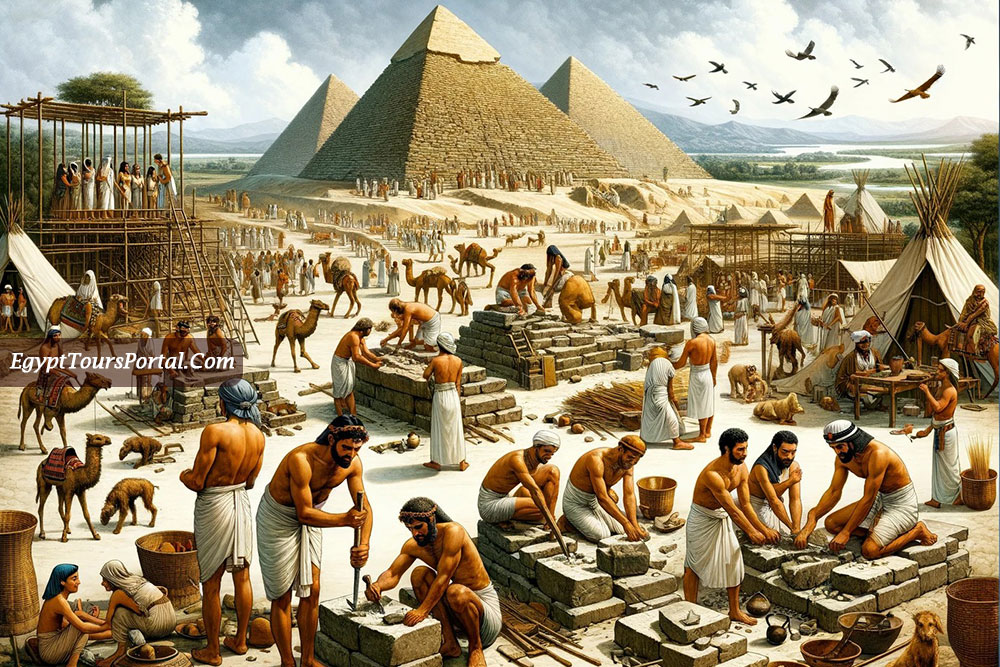
For centuries, the pyramids of Egypt have stood as a silent, awe-inspiring riddle, drawing millions of visitors and sparking endless debates. People enjoy them not only for their sheer size and beauty, but because they represent a triumph of human ingenuity over seemingly impossible limitations. Whether you are a history student or a curious traveler, understanding who built these monuments connects you to a story of collaboration, skill, and purpose that still enriches our daily lives—reminding us that great achievements are rarely the work of a single genius.
The key purpose of the pyramids, particularly the Great Pyramid of Giza, was to serve as a royal tomb for the pharaoh, who was considered a living god. The Egyptians believed that the pharaoh’s soul needed a secure and grand structure to ensure a safe journey into the afterlife. This belief drove an entire society to mobilize resources, create advanced engineering methods, and organize a massive workforce. The benefits for everyday life were indirect but profound: these projects sparked innovations in surveying, mathematics, and logistics that later improved farming, trade, and construction for everyone.
Imagine a scenario where you are helping build a neighborhood park with your community. You would need planners, material suppliers, and workers—all coordinated under a clear leader. The pyramid builders were similar. Contrary to popular myth, they were not slaves but largely skilled laborers and farmers who worked during the Nile’s annual flood season when farming was impossible. They received food, housing, and medical care. This system kept the economy stable and gave workers a sense of pride and purpose, much like a modern public works project.
Must Read
Recent archaeological discoveries, including worker villages and burial sites near the pyramids, show that the builders were organized into crews with names like “Friends of Khufu.” These teams competed in friendly rivalries to move and lift massive stone blocks—weighing up to 2.5 tons each—using ramps, levers, and sheer human strength. The precision of their work is extraordinary: the pyramid’s base is almost perfectly level, with errors measured in mere millimeters across a 13-acre footprint.
So why does this matter for your life today? It teaches that complex problems are solved by teamwork, patience, and practical knowledge, not magic or aliens. The builders used simple tools—copper chisels, wooden sledges, and wet sand to reduce friction—yet achieved results that modern engineers still admire. This shows that you do not need advanced technology to create something lasting. You just need a clear goal, a willing community, and a lot of persistence.
 Historians Challenge Ancient Egyptian Origins of Great Pyramids: New
If you want to explore this topic on your own, start with a virtual tour of the Giza Plateau using free online resources from museums like the Smithsonian. Next, visit a local museum that has Egyptian artifacts—look for tools like adzes or stone mallets. Finally, try a hands-on experiment: build a small pyramid using sugar cubes or clay, and time yourself moving a “block” up a ramp. This will help you appreciate the real effort behind the ancient world’s most famous wonder.
In the end, the pyramids stand as a monument to human cooperation, not royalty alone. By learning who built them, we gain a deeper respect for the everyday people whose names history forgot, but whose work still inspires us to aim higher, work together, and leave a lasting mark on the world.


