Why Did Michael Myers Kill His Sister

Let’s be honest: diving into the psychology of a slasher icon like Michael Myers is a strangely enjoyable pastime. It’s the kind of conversation that lights up a movie night,...

Let’s be honest: diving into the psychology of a slasher icon like Michael Myers is a strangely enjoyable pastime. It’s the kind of conversation that lights up a movie night, makes a long car ride fly by, or turns a simple Halloween party into a lively debate. The main purpose of exploring “why he did it” isn’t to excuse violence, but to appreciate the craft of storytelling and our own fascination with the unknown. For a casual fan, it adds depth to a scary movie. For a horror buff, it’s a puzzle box of mythology. And for a writer, it’s a masterclass in creating a primal, unforgettable villain. Everyone gets something different from picking apart the boogeyman’s motives—or deliberate lack thereof.
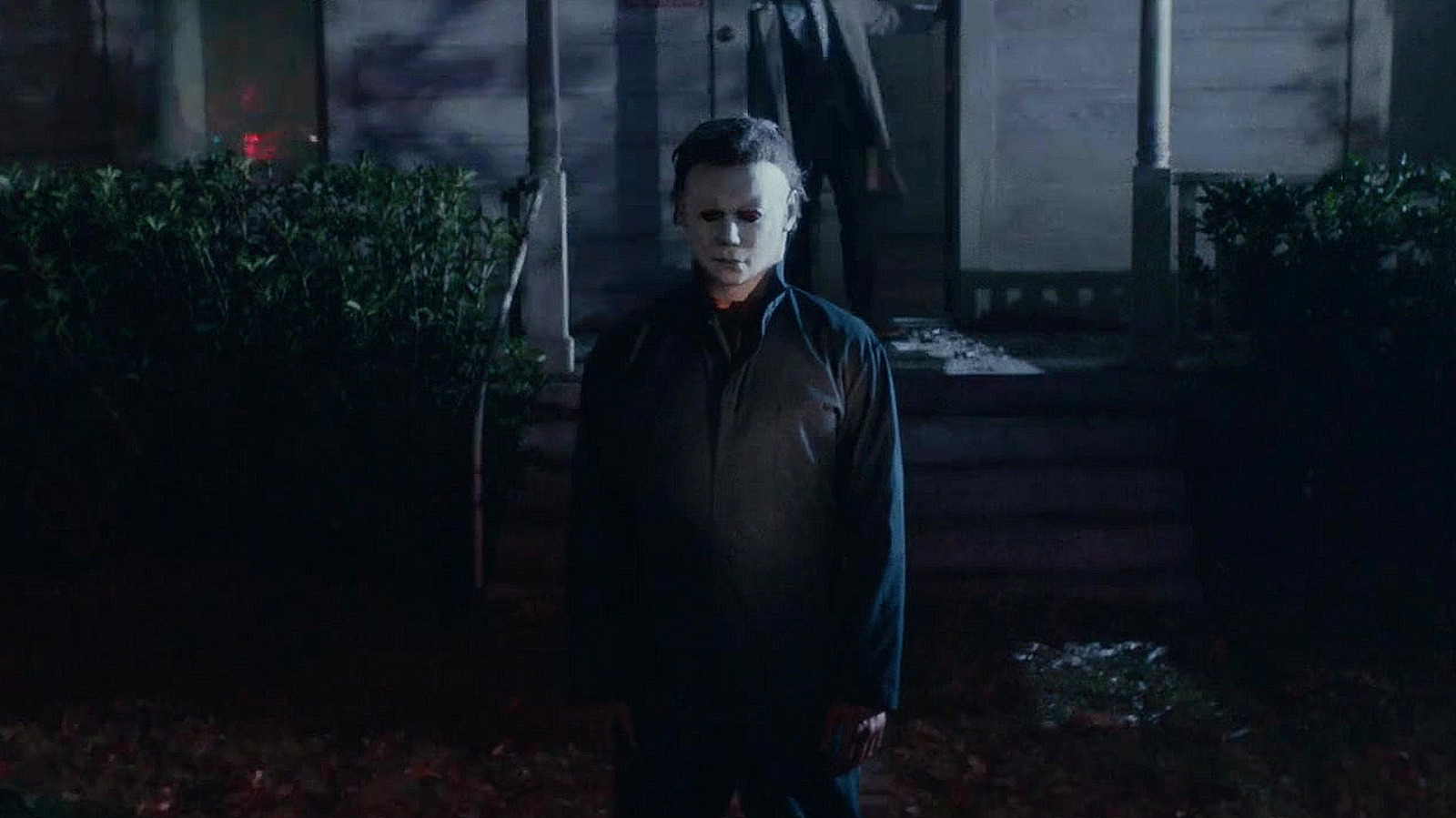
The most iconic answer, straight from the 1978 original film, is chillingly simple: “The blackest eyes…the devil’s eyes.” Dr. Loomis describes Michael not as a person, but as a force of nature. The murder of his sister, Judith, isn’t driven by jealousy, revenge, or trauma. It’s presented as a random, inexplicable act by a child who simply “snapped.” This “pure evil” explanation is what makes the character so terrifying—he’s the why without a reason, an immovable object of chaos. Many fans prefer this version because it means the threat is absolute and cannot be reasoned with or cured.
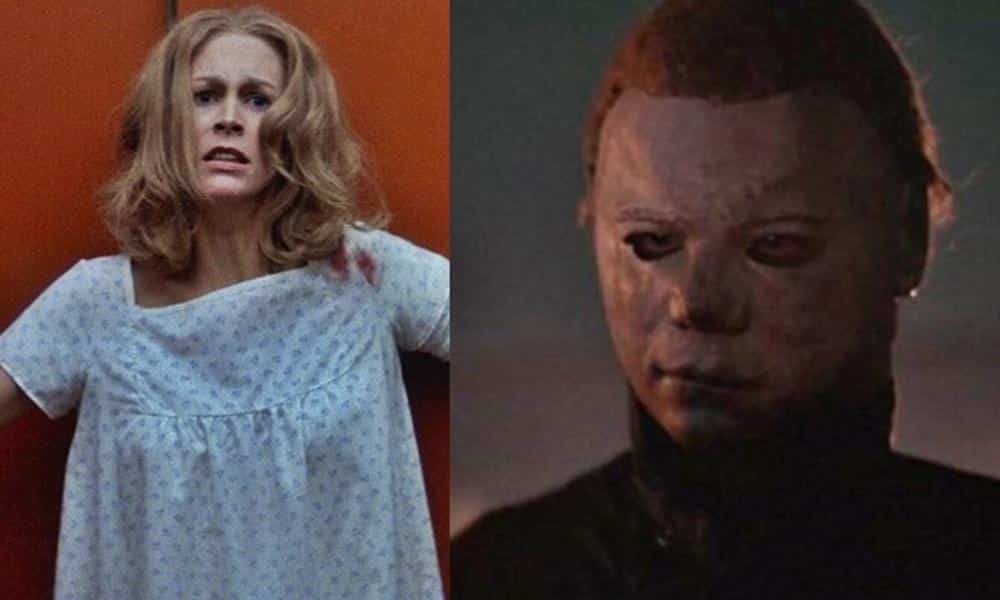
Later sequels, however, played with adding a family motive. The original Halloween II famously revealed that Michael was targeting Laurie Strode because she was his baby sister. This immediately gives his rampage a tangible, if twisted, purpose: to eliminate his bloodline. While this explanation is more practical for a plot, many purists argue it diminishes his mystique. Suddenly, the shape isn’t hunting everyone; it’s just a very dedicated, mask-wearing sibling with a messy family reunion plan. It turns a supernatural ghost into a tragic family drama, which is a very different kind of horror.
Must Read
Another compelling variation comes from the Rob Zombie remake, which offers a deeply psychological and brutal backstory. Here, Michael’s childhood is filled with abuse, neglect, and bullying. The killing of his sister isn’t random; it’s the tragic eruption of a broken mind. In this version, he kills Judith because she is the available target for his rage at a world that has failed him. This motive is grounded in trauma, making it more horrifying in a real-world sense. It asks: “What happens when a child is pushed past the breaking point?” The answer is a monster born from human cruelty.
 Why Did Michael Myers Kill His Sister In Halloween?
If you want to get the most out of this discussion, start by watching the original 1978 film with fresh eyes. Pay close attention to Dr. Loomis’s dialogue—his words are the only “explanation” we get. Then, watch a sequel or the remake as a companion piece, not a replacement. A great tip is to ask yourself: “Which version scares me more?” Is it the unknowable, motiveless evil of the original? Or the all-too-human tragedy of the remake? This simple question reveals what you personally find terrifying about the boogeyman.
Finally, remember that the best part about Michael Myers is that he defies a single answer. You can argue for pure evil, family duty, or psychological trauma, and none of them are definitively wrong. This ambiguity is the key to his lasting appeal. So next time you watch Halloween, don’t just jump at the scares. Savor the mystery. The question itself, with all its chilling possibilities, is far more powerful than any tidy answer could ever be.