Why Was The Colony Of New York Founded

So, you want to know why the colony of New York was founded? Grab a latte (or a pint, we don’t judge), and let’s time-travel back to the early 1600s. Spoiler: it wasn’t for th...
So, you want to know why the colony of New York was founded? Grab a latte (or a pint, we don’t judge), and let’s time-travel back to the early 1600s. Spoiler: it wasn’t for the pizza. Or the bagels. Those came later, thankfully.
It all starts with a very ambitious Dutchman named Henry Hudson. In 1609, while working for the Dutch East India Company, he sailed up what we now call the Hudson River. His mission? Find a shortcut to Asia. Did he find it? Nope. Did he stumble upon one of the most strategic natural harbors on the East Coast? You bet your wooden clogs he did. The Dutch looked at that deep, sheltered waterway and the beaver-filled forests and thought: “Fur real though, this is a goldmine.”
And that’s the real, not-so-secret secret of New York’s founding: money. Pure, unapologetic commerce. The Dutch West India Company, the venture capitalists of their day, officially founded the colony as New Netherland in 1624. Their goal wasn’t religious freedom or a utopian society—that was more of a Massachusetts thing. Their goal was profit. They wanted to trade beaver pelts (the “brown gold” of the 17th century) with the local Lenape tribes and ship them back to Europe for fancy hats. Think of it as the world’s first, fur-trimmed startup.
Must Read
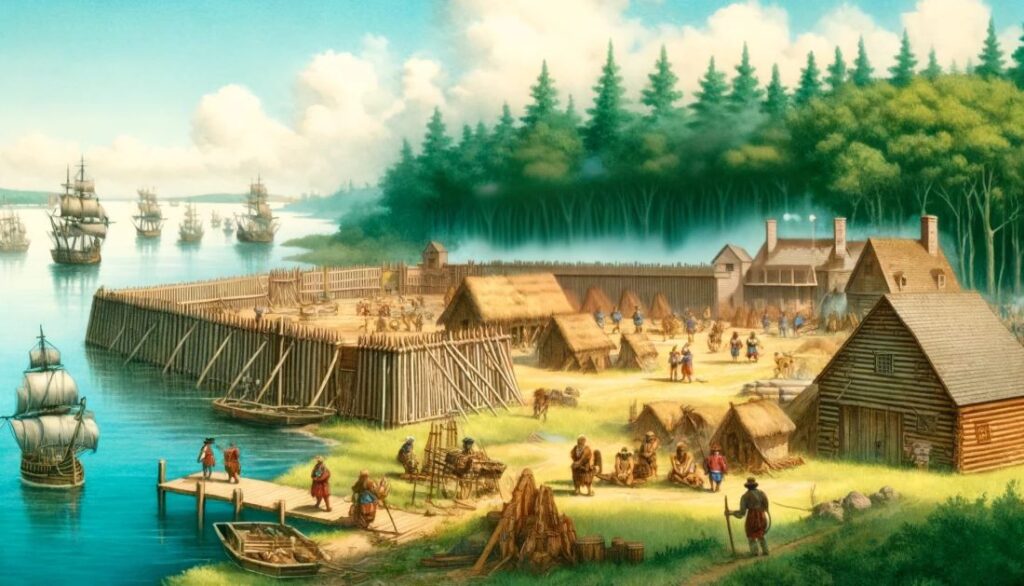
They plopped their headquarters on the southern tip of Manhattan Island and called it New Amsterdam. It was a messy, multicultural, slightly lawless trading post from day one. You had Dutch, Germans, French, Scandinavians, and Africans (some free, some enslaved) all trying to make a buck. The Dutch governor, Peter Minuit, famously “bought” Manhattan for trinkets worth about $24. It’s the greatest real estate deal in history, and everyone still argues about what the Lenape people actually thought they were agreeing to. Awkward.
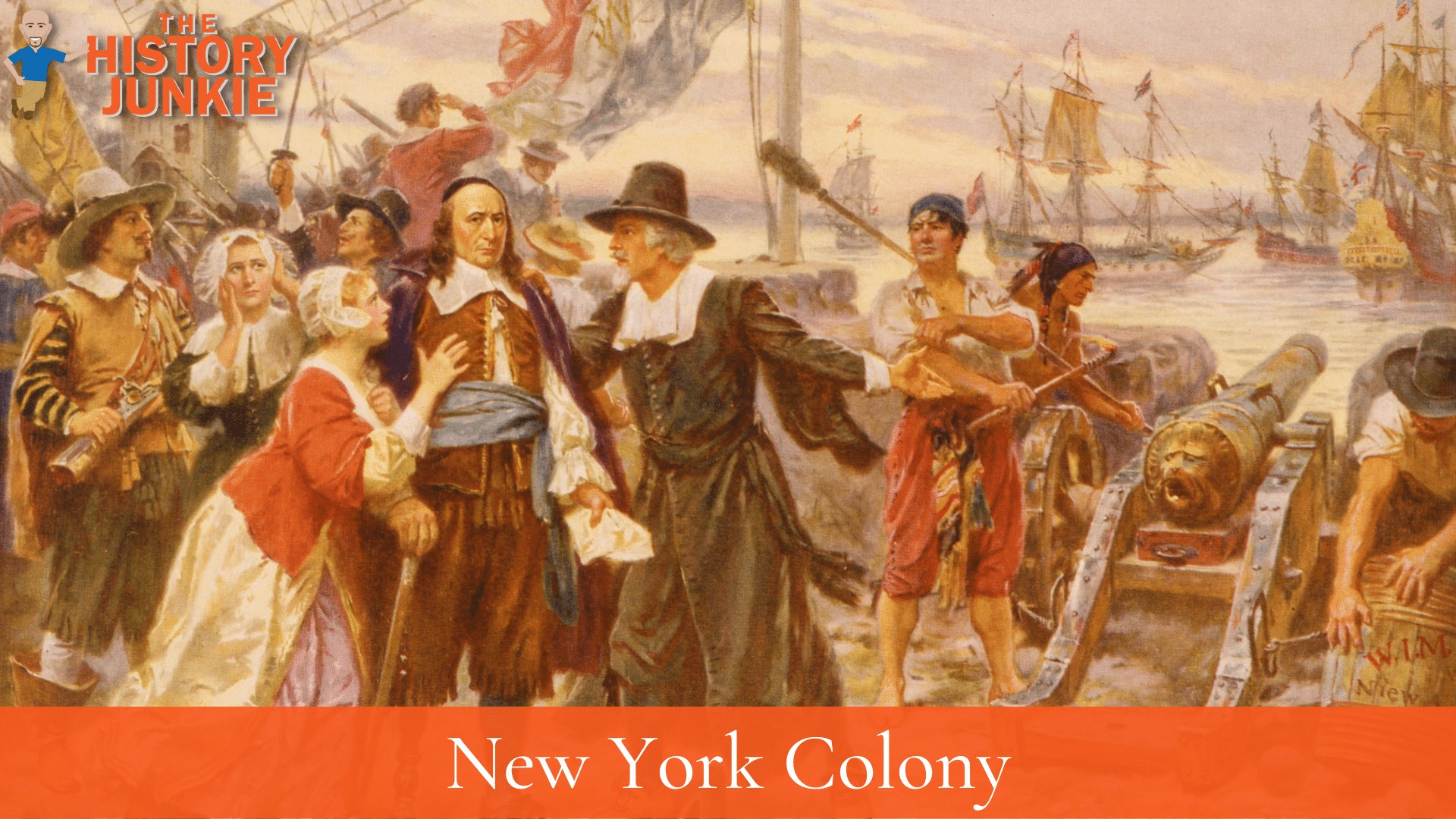
Then the British got jealous. In 1664, King Charles II gave his brother, the Duke of York, a royal gift: a charter for all the land between Connecticut and Delaware. The Duke sent a fleet of warships to New Amsterdam. The Dutch governor, Peter Stuyvesant, was a cranky, peg-legged guy who wanted to fight. But the colonists—already a pragmatic bunch—were like, “Nah, mate. We’re here to trade, not die for a beaver hat.” They surrendered without a single shot. The British renamed the colony New York, after the Duke. And just like that, a Dutch trading post became an English one.
 Why Was New York Founded at Savannah Cawthorne blog
So, to recap: New York was founded not by pilgrims seeking God, but by capitalists seeking beavers. It began as a commercial gamble, a place where the hustle was more important than the heritage. And honestly? That spirit—that relentless, polyglot, deal-making energy—is still baked into the city’s DNA.
So the next time you’re stuck in Times Square or paying $8 for a slice of pizza, remember: you are standing on land that was literally built on a business plan. It’s messy, it’s loud, it’s expensive—but it works. And the best part? The founders would probably be horrified to see what their little beaver-pelt outpost became: a place where everyone gets a shot at the hustle. And that, my friend, is a happy ending worth celebrating with a slice from a dollar-slice joint. Cheers. 🗽