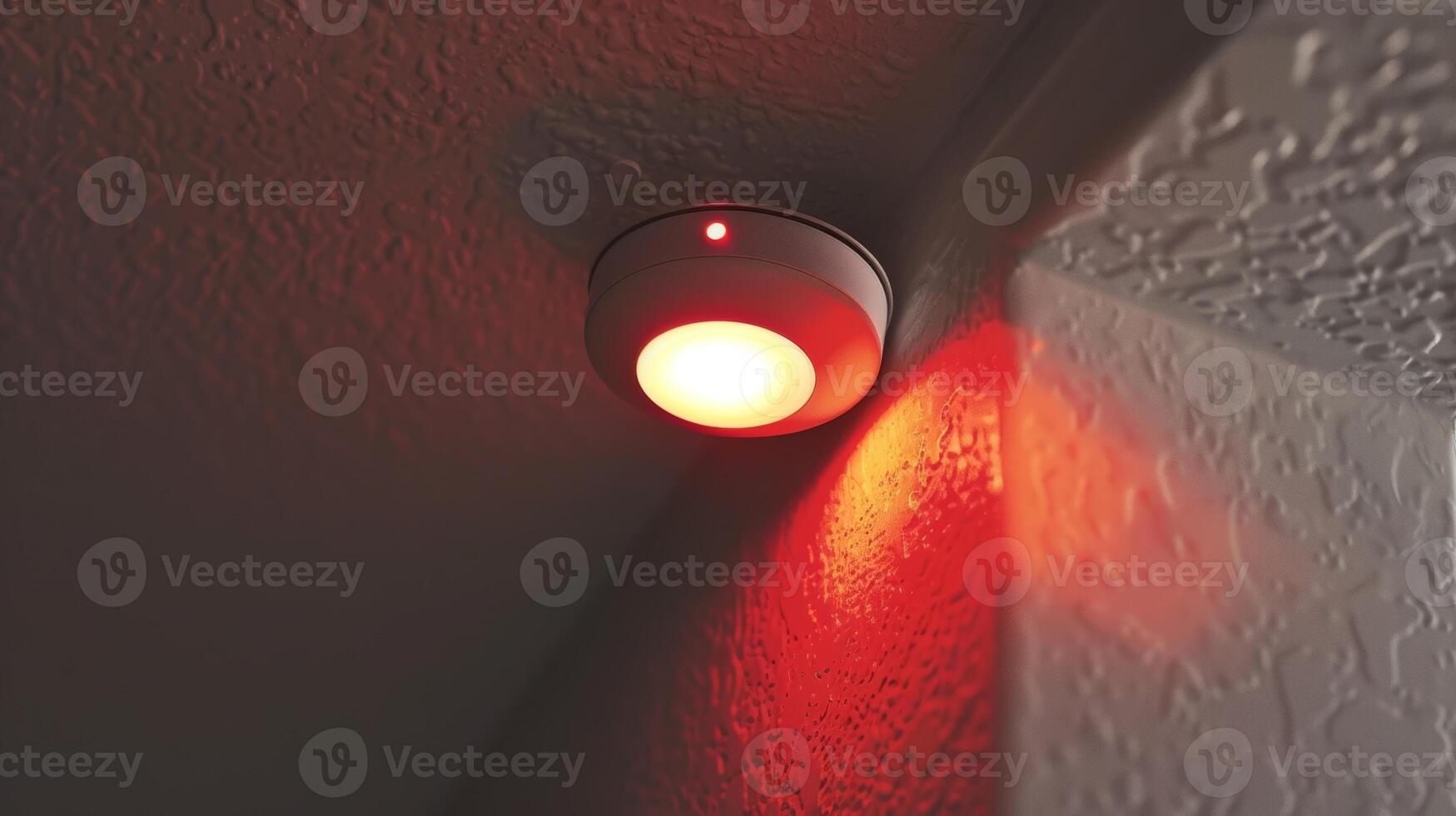
Blinking Red Light On Smoke Detector

Let’s be honest: that blinking red light on your smoke detector can feel like a tiny, persistent mystery. It’s not a full-blown alarm, but it’s also not nothing. For the pract...

Let’s be honest: that blinking red light on your smoke detector can feel like a tiny, persistent mystery. It’s not a full-blown alarm, but it’s also not nothing. For the practical-minded, this little blip is actually a friend in disguise. It’s a simple, low-stakes signal that keeps your home safe, and once you understand it, you’ll never have to guess again. The real treat is that decoding this light is easy—and it means you’re staying one step ahead of a dead battery or a faulty sensor. It’s the kind of small, practical knowledge that makes life just a bit smoother.
The main purpose of that red flash is to communicate. Smoke detectors are designed to be quiet guardians, but they need to tell you when they’re working or when they need attention. For most people, the blinking light is a sign of power: it confirms the unit is receiving electricity (either from a battery or wired power). For a technician or a DIY homeowner, it’s a quick diagnostic tool. The benefit here is peace of mind—you don’t have to take the detector down to check if it’s alive. A single blink every 30 to 60 seconds usually means everything is fine. A rapid series of blinks, however, might signal a problem.
You’ll notice a few common variations. In many battery-operated models, a single red flash every minute or so simply means the unit is on and sensing. In hardwired detectors (the ones connected to your home’s electrical system), a steady blink every 30–40 seconds often indicates the backup battery is functional. But if you see a continuous red flash—say, every second—that’s the unit’s way of shouting, “I need a new battery!” or “I’m detecting a low-level error.” Some models even use a red blink combined with a chirp to signal an end-of-life warning, which typically happens after 10 years. The key is to read your manual (or check the brand online) for the exact pattern.
Must Read
For renters or new homeowners, this blinking light can be a source of quiet anxiety. But here’s the simple tip: test it first. Press the “test” button on the detector. If the alarm sounds loudly and the red light blinks rapidly during the test, your unit is healthy. If it doesn’t sound, or if the light is off entirely, you likely need a fresh 9V battery. Another actionable tip is to keep a log of your detector’s age. Most have a manufacturing date inside the battery compartment. If the date is over ten years old, consider replacing the whole unit—even if the light blinks normally. It’s a cheap investment for safety.
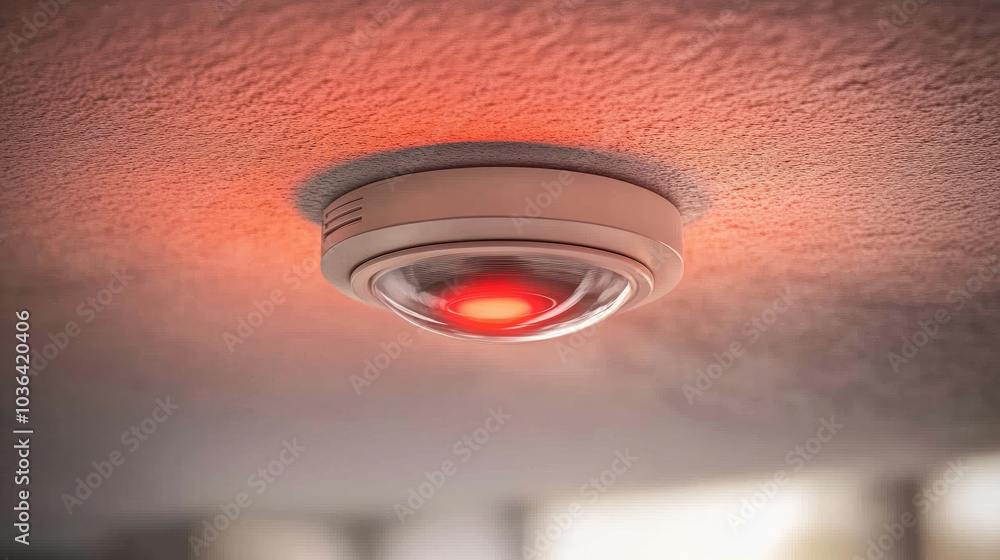 A smoke detector with a blinking red light, indicating it is active and
To make the most of this small signal, develop a monthly habit. Every time you change your clocks or pay a rent bill, glance at your smoke detector. Is the red light blinking? If yes, good. If it’s solid, flashing crazily, or off entirely, take action. A quick battery swap (using a name-brand battery, not a cheap knock-off) solves most issues. Also, vacuum the detector vents with a soft brush attachment every few months—dust can cause false signals. These tiny steps turn a mysterious red light into a reliable, friendly beacon that says, “I’ve got your back.”
Finally, remember that consistency matters. If you live in a multi-detector home, all units should be on the same schedule. Some people find it helpful to label each detector with its installation date using a permanent marker. That way, when you see that blinking red light, you’re not guessing—you’re verifying. In the end, this little light isn’t a nuisance; it’s a quiet conversation between you and your home’s safety system. Once you speak its language, you’ll sleep better. And isn’t that a pretty great payoff for a two-second glance?