Can Parchment Paper Go In The Oven

There’s a quiet satisfaction in pulling a perfectly roasted sheet of vegetables or a batch of golden-brown cookies from the oven, knowing the pan underneath is virtually clean...

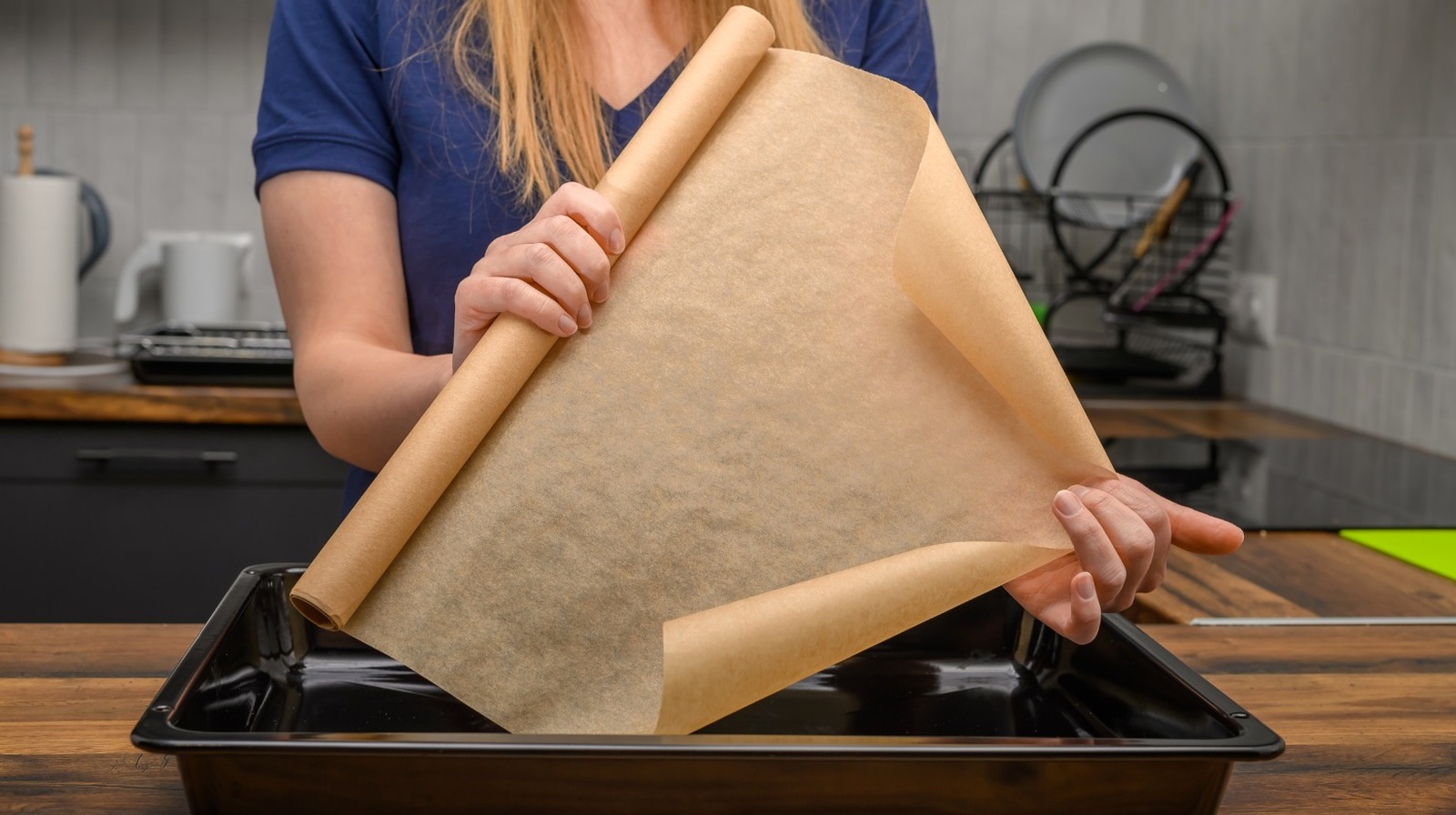
There’s a quiet satisfaction in pulling a perfectly roasted sheet of vegetables or a batch of golden-brown cookies from the oven, knowing the pan underneath is virtually clean. This small triumph is largely thanks to parchment paper, a kitchen staple that transforms cooking from a chore into a joy. Its key purpose is to provide a non-stick, heat-resistant barrier between your food and the cookware, eliminating scrubbing and ensuring delicate items like fish or meringues release without a fight.
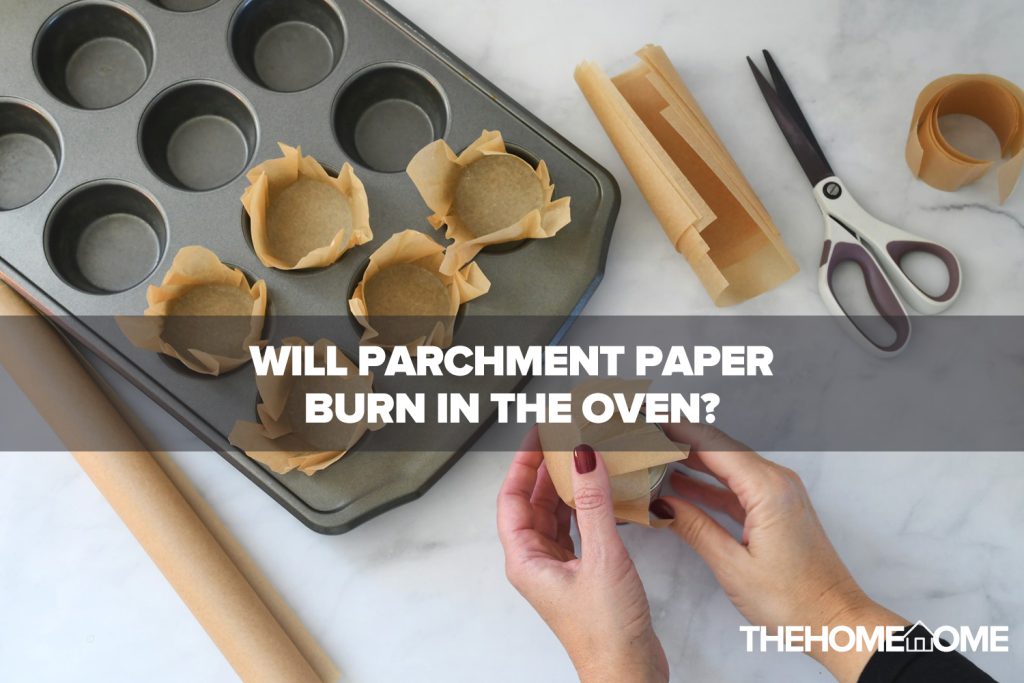
The most common question is straightforward: Yes, parchment paper is safe for oven use. Unlike wax paper, which has a thin wax coating that melts and can smoke at high temperatures, parchment is treated with silicone. This gives it remarkable heat tolerance, typically up to 425°F (220°C) for standard brands, with some heavy-duty versions rated even higher. This means you can confidently line baking sheets for crispy roasted potatoes or use it as a makeshift en papillote pouch to steam salmon and vegetables with herbs.
Its benefits extend far beyond easy cleanup. Parchment paper allows for more even browning because it creates a slight air gap between the pan and the food, preventing the bottom from burning. For example, when baking shortbread or sugar cookies, the paper helps ensure they cook uniformly without sticking. It also acts as an effective shield when roasting, keeping sticky marinades or sugary glazes from carbonizing onto your best baking sheets, thereby extending their lifespan.
Must Read
However, it’s not invincible. A critical rule is to never expose parchment paper to a direct flame or a hot oven element, such as the top broiler. If the paper touches the heating coil, it will char and can catch fire. For safety, keep a close eye if cooking at the upper edge of its heat limit, and avoid using it on the lowest oven rack if the element is directly below. For broiling, opt for aluminum foil or a silicone mat instead.
For everyday success, consider these tips. First, cut your parchment to just overhang the pan’s edges; this creates handles to easily lift out frittatas or bars of caramel. Second, for high-moisture dishes like roasted tomatoes or fruit crisps, the paper may become soggy, but it will still protect the pan. Finally, small sheets can be tucked under rolling dough to prevent sticking, or crumpled and smoothed out to reduce curling at the edges during baking.
 Can Parchment Paper Go In 400 Degree Oven at Carla Apgar blog
So the next time you prepare a recipe, reach for parchment paper with confidence. It’s a simple tool that delivers reliable, repeatable results, from flaky pie crusts to sticky cinnamon rolls, all while making cleanup a breeze. Explore its versatility by trying fish en papillote with lemon and dill, or by lining a baking sheet for perfectly roasted Brussels sprouts—you’ll quickly see why it’s a favorite among home cooks and professional bakers alike.
In short, parchment paper is a hero of the kitchen: it handles oven heat, prevents messes, and ensures your food cooks evenly. Keep a roll in your drawer, and you’ll wonder how you ever baked without it.