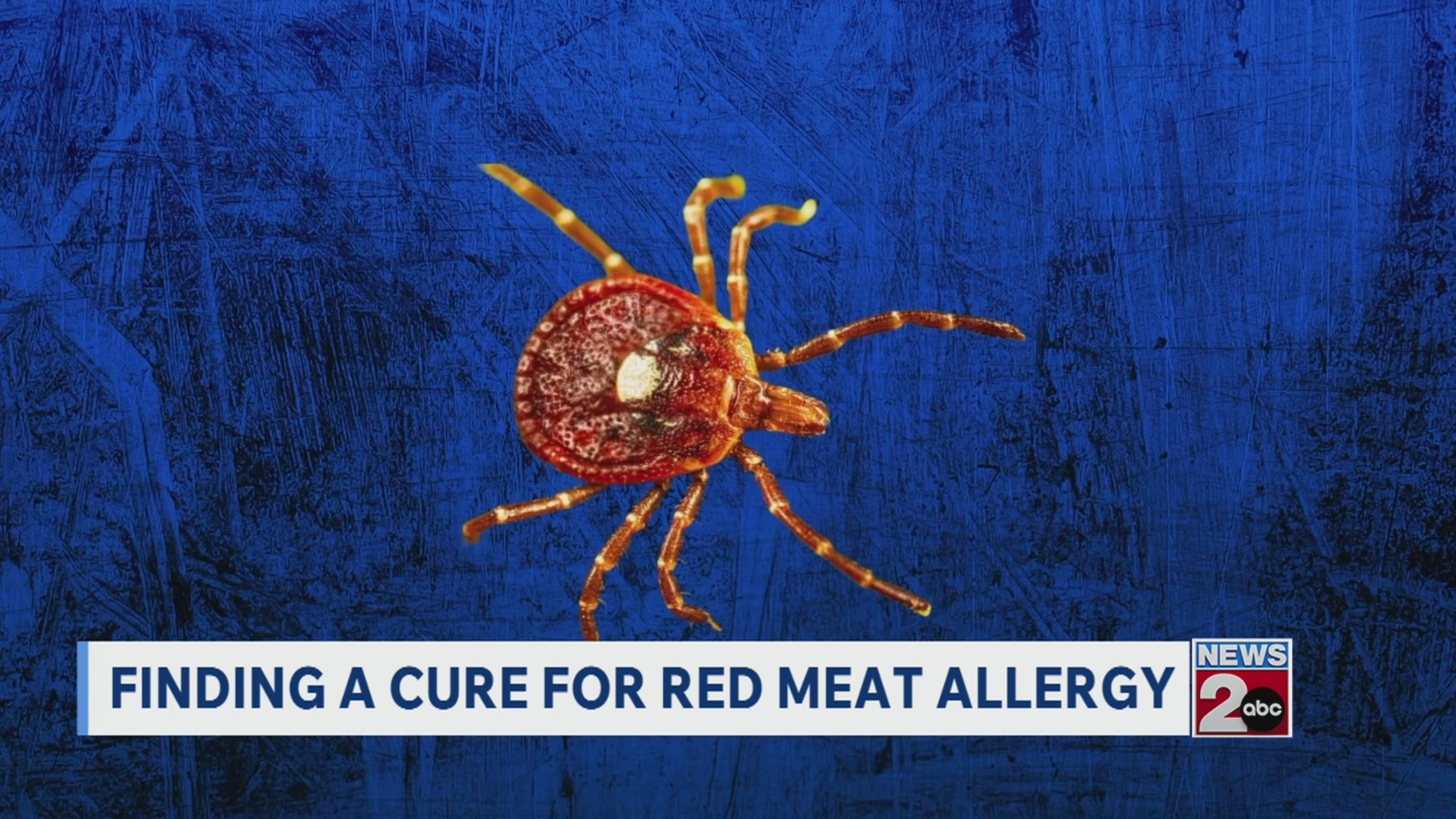
Cure For Meat Allergy

For many people, nothing compares to the sizzle of a steak on the grill or the savory aroma of bacon in the morning. Meat is central to countless traditions, from holiday feas...
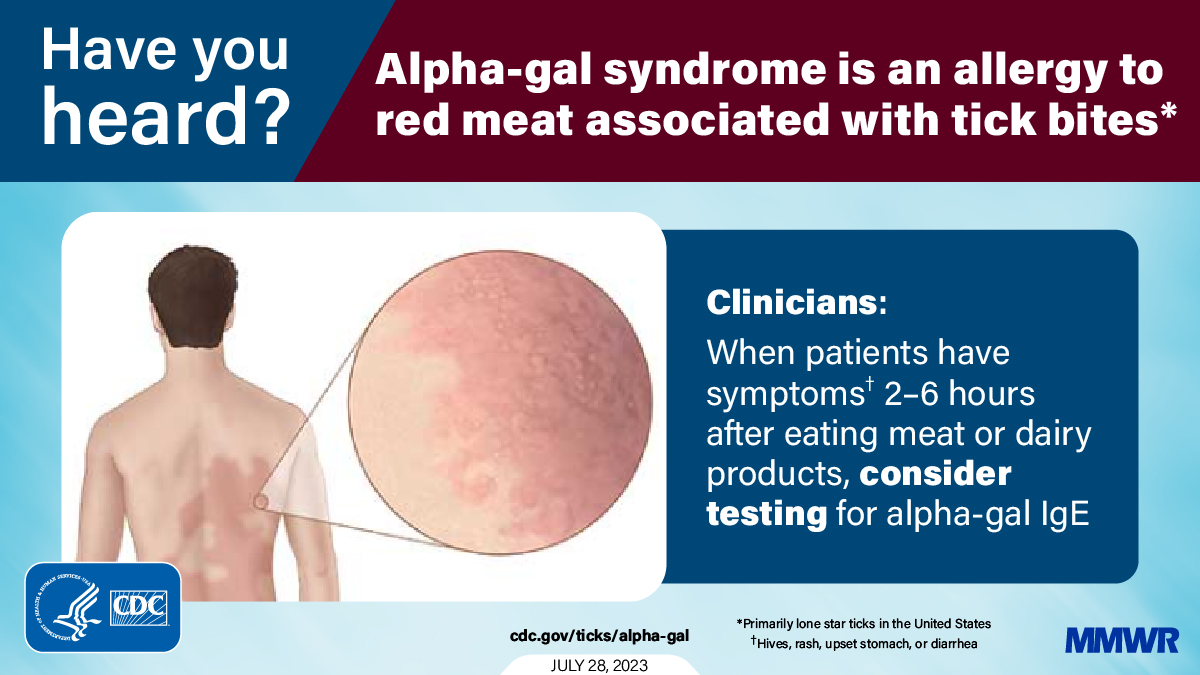
For many people, nothing compares to the sizzle of a steak on the grill or the savory aroma of bacon in the morning. Meat is central to countless traditions, from holiday feasts to casual backyard barbecues. Yet for a growing number of individuals, this pleasure comes with a terrifying risk: a severe allergic reaction. Known as the alpha-gal syndrome, this meat allergy transforms a beloved meal into a medical emergency, causing hives, stomach pain, and even anaphylaxis hours after eating beef, pork, or lamb.
The root of this allergy is surprisingly simple—and avoidable. It begins with a tick bite, typically from the Lone Star tick, which introduces a sugar molecule called alpha-gal into the body. When this happens, the immune system may start treating alpha-gal as an invader. Since this sugar is found in mammalian meat, the body launches a delayed allergic attack every time you eat a burger or chop. The key purpose of understanding this mechanism is not just awareness, but unlocking the possibility of a cure through avoidance and time.
The most effective cure currently available is not a quick pill or injection, but the natural reset of the immune system. Over time, if a person is not re-bitten by a tick and strictly avoids all mammalian meat, the body’s IgE antibodies against alpha-gal slowly decline. In many cases, after one to five years, the allergy can completely disappear. This process offers a tangible hope: a regained ability to enjoy a steak dinner without fear, restoring a normal, social life.
Must Read
The benefits of this approach extend beyond the dinner plate. Imagine a family gathering where you no longer have to bring your own separate meal, or a business lunch where you can can confidently order the same dish as colleagues. Ending the allergy also eliminates the constant vigilance of checking ingredient labels and explaining your condition to waitstaff. For example, a person who was once terrified of gelatin in candies or hidden meat stock in soups can return to spontaneous, worry-free eating—a simple joy that many take for granted.
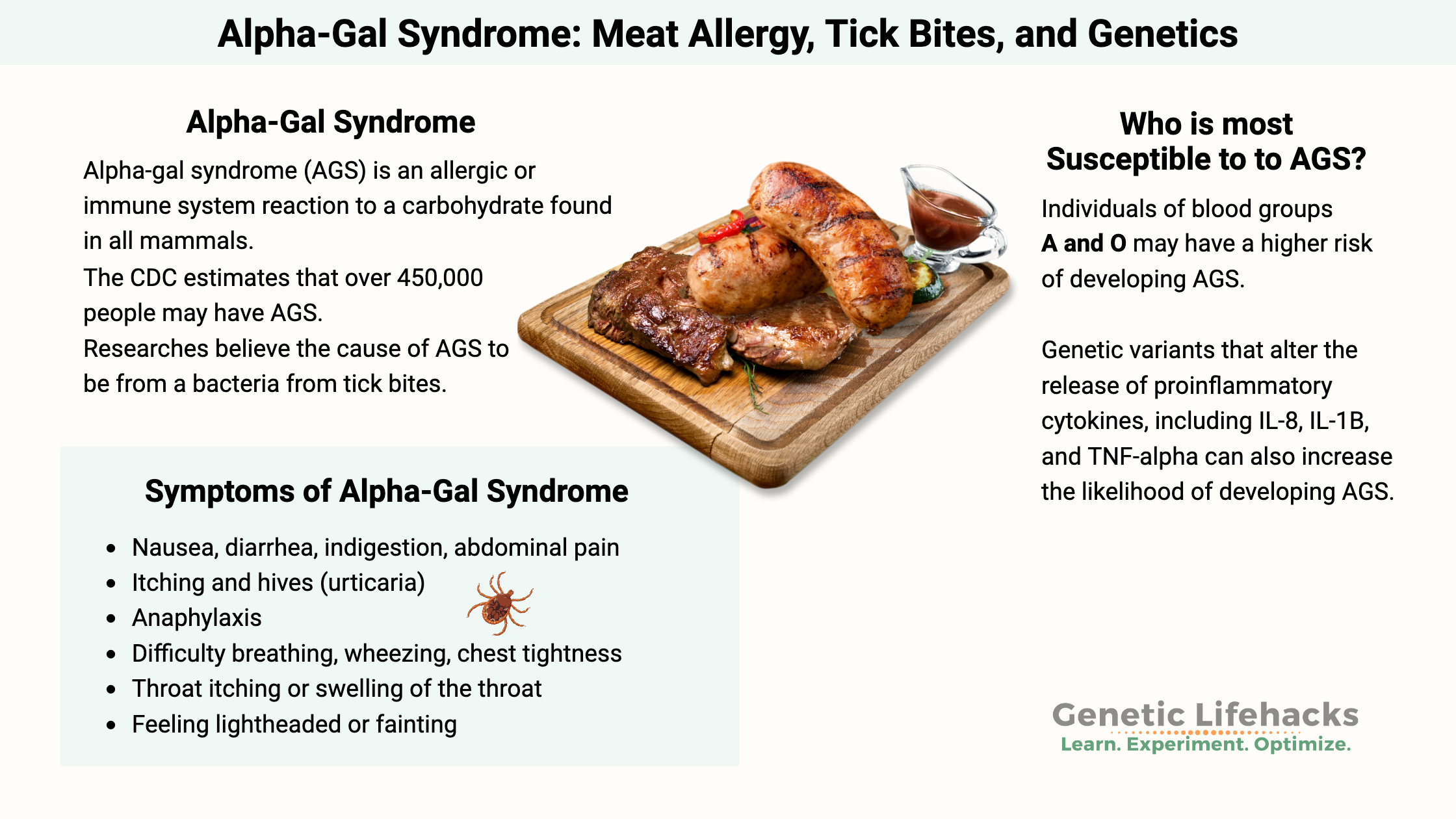 Mammalian Meat Allergy
To explore this path on your own, start with two simple tips. First, prevent new tick bites by wearing long pants and using EPA-approved repellent when hiking or gardening in tick-prone areas—this stops the allergy from worsening or returning. Second, adopt a strict mammal-free diet, replacing red meat with poultry, fish, and plant-based proteins. Reading every label for hidden dairy or lard is essential, as the alpha-gal molecule appears in milk and even in some cheeses.
Finally, consider consulting an allergist for a blood test to track your alpha-gal antibody levels over time. While patience is required, many people have successfully outgrown this condition. The journey back to the barbecue pit is long, but with discipline and awareness, the cure lies in allowing your body to forget the attacker—turning a lifelong restriction back into a choice.