How To Remove Smoke Smell

There's something deeply satisfying about reclaiming a space, isn't there? Whether it’s a vintage jacket from a thrift store, a car you just bought, or a cozy living room afte...
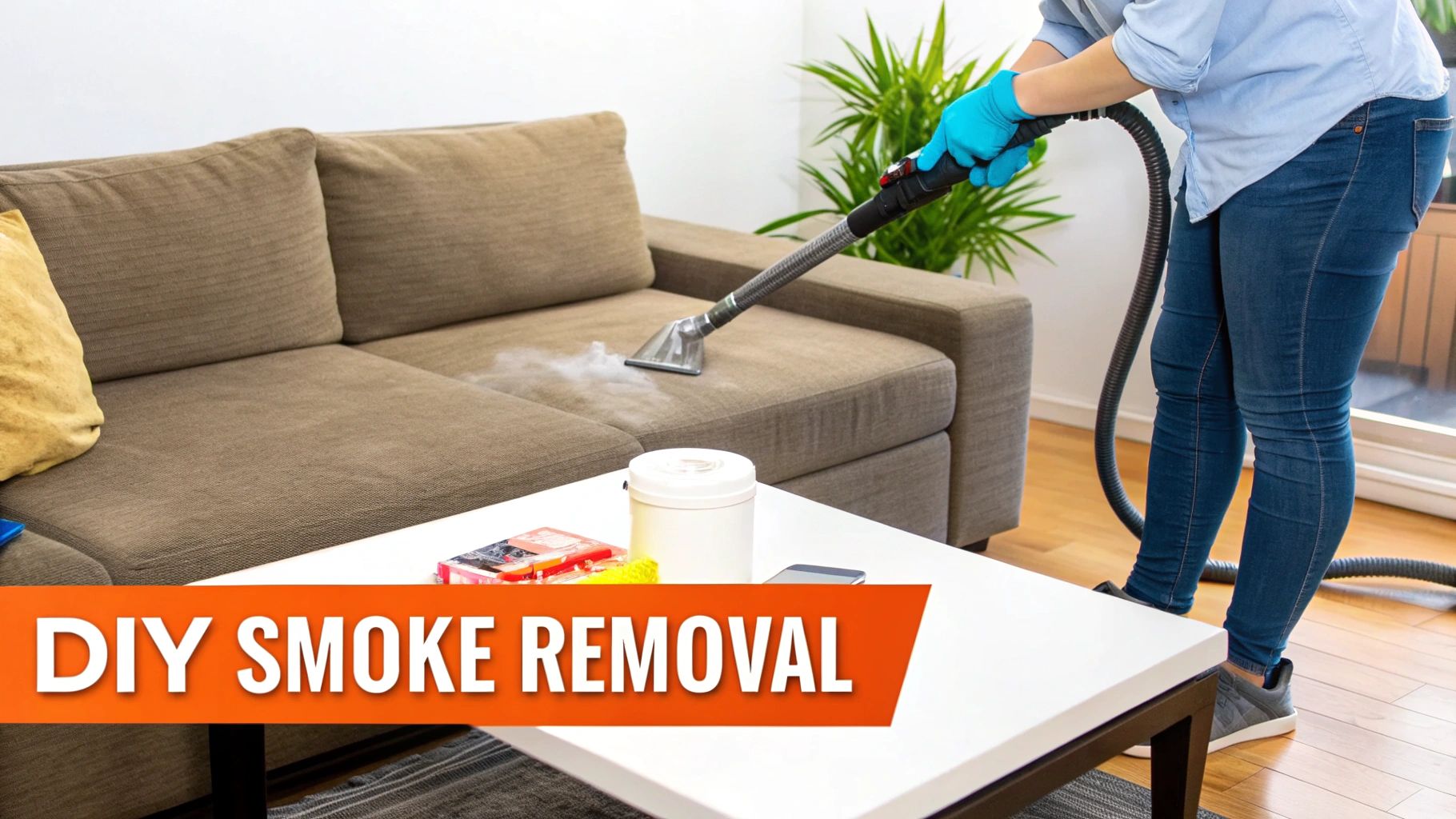
There's something deeply satisfying about reclaiming a space, isn't there? Whether it’s a vintage jacket from a thrift store, a car you just bought, or a cozy living room after a guest’s cigarette, removing the stubborn smoke smell feels like a quiet victory. This topic is widely appreciated because it touches everyone—from non-smokers who want a fresh home to collectors of secondhand goods. The main purpose is simple: neutralize the lingering odor without harsh chemicals or expensive equipment. You get a space that feels clean, inviting, and healthy. Common variations include dealing with stale cigarette smoke in upholstery, wood furniture, or clothing; each requires a slightly different touch, but the core principles are the same.
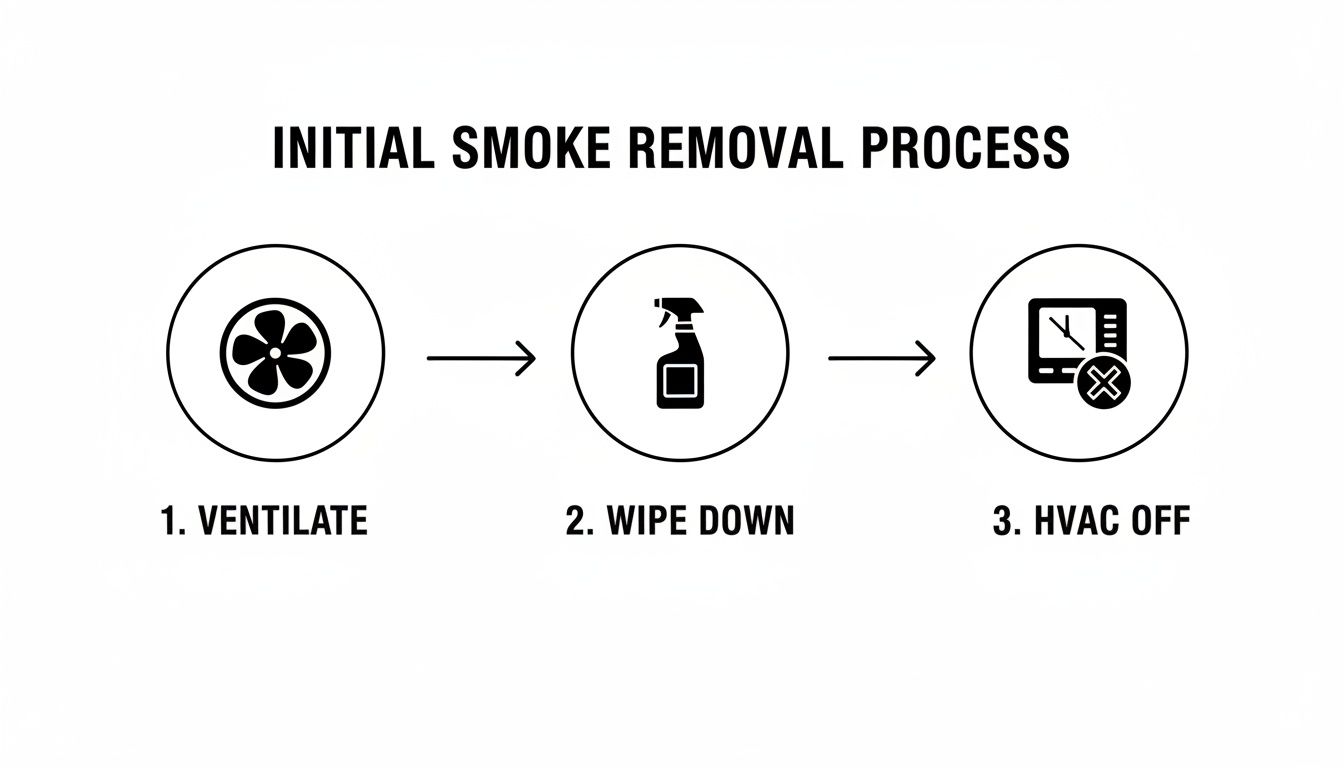
First, understand that smoke smell clings to porous surfaces like fabric, carpet, and drywall. It’s not just on the surface; it’s embedded in fibers. So your first step is ventilation. Open all windows and doors for at least an hour. Create a cross-breeze by placing a fan facing outward in one window and another fan pulling fresh air in from another. This literal air exchange is the cheapest and most effective starting point. Don’t underestimate the power of fresh air—it physically pushes out the tainted air and lets sunlight, which naturally breaks down odor molecules, do its work.
Next, target the absorbed odor with a simple pantry staple: baking soda. Sprinkle it generously over carpets, upholstery, and even inside drawers or car floor mats. Let it sit for at least 8 hours—overnight is best. Baking soda is a natural deodorizer; it chemically traps and neutralizes smoke particles. Afterward, vacuum thoroughly. For clothes or curtains, add half a cup of baking soda to your regular laundry cycle. This alone can transform a smoky blazer or drape into something you’d willingly sniff again.
Must Read
For hard surfaces like wood furniture, walls, or car interiors, white vinegar is your go-to. Mix equal parts vinegar and water in a spray bottle. Lightly mist surfaces—avoid soaking—and wipe clean with a microfiber cloth. The vinegar smell will dissipate within an hour, taking the smoke odor with it. For tougher spots, like a car’s headliner or a wooden nightstand, you can wipe down with a diluted solution of isopropyl alcohol (70% strength), which evaporates quickly and lifts sticky residue. Always test an inconspicuous area first.
Another clever variation involves activated charcoal or coffee grounds. Place a bowl of activated charcoal granules (available at pet stores or online) in a smoky room or inside a closed car overnight. Charcoal literally absorbs toxins and odors from the air. Similarly, a bowl of fresh coffee grounds acts as a natural air freshener, its strong scent masking and absorbing residual smoke. This works beautifully for smaller spaces or for maintaining freshness after the deep clean.
:max_bytes(150000):strip_icc()/removing-smoke-smell-from-car-4009054-24d8841f89fc4922ad1cd3c53d4d9d86.png) How to Remove Smoke and Cigarette Smells From a Car
How to Remove Smoke and Cigarette Smells From a Car
Finally, consider professional-grade odor neutralizers if the smell persists. Products containing enzymes or ozone generators (used only in unoccupied spaces) chemically break down smoke particles at a molecular level. But before going that route, remember the most practical tip: patience and repetition. One cleaning seldom completely erases years of smoke. Repeat the baking soda, vinegar, and ventilation cycle every few days. Each pass weakens the odor.
So, whether you’re rehabbing a thrift-store find or refreshing a rental car, these simple steps turn a frustrating problem into a manageable project. Enjoy the process—and the clean, open air that follows.