Laminar Flow Vs Turbulent Flow

Welcome to the fascinating world of fluid flow! You might think watching water move is boring, but it’s actually a secret battle between two stunning personalities: laminar fl...
Welcome to the fascinating world of fluid flow! You might think watching water move is boring, but it’s actually a secret battle between two stunning personalities: laminar flow, the zen master, and turbulent flow, the chaotic party animal. Understanding this difference isn’t just for scientists—it’s a fun way to see everyday magic. From perfecting your morning coffee pour to guessing why smoke curls, this knowledge turns you into a fluid-flow detective. The best part? It’s intuitive and visual, so you’ll start spotting it everywhere once you know what to look for.
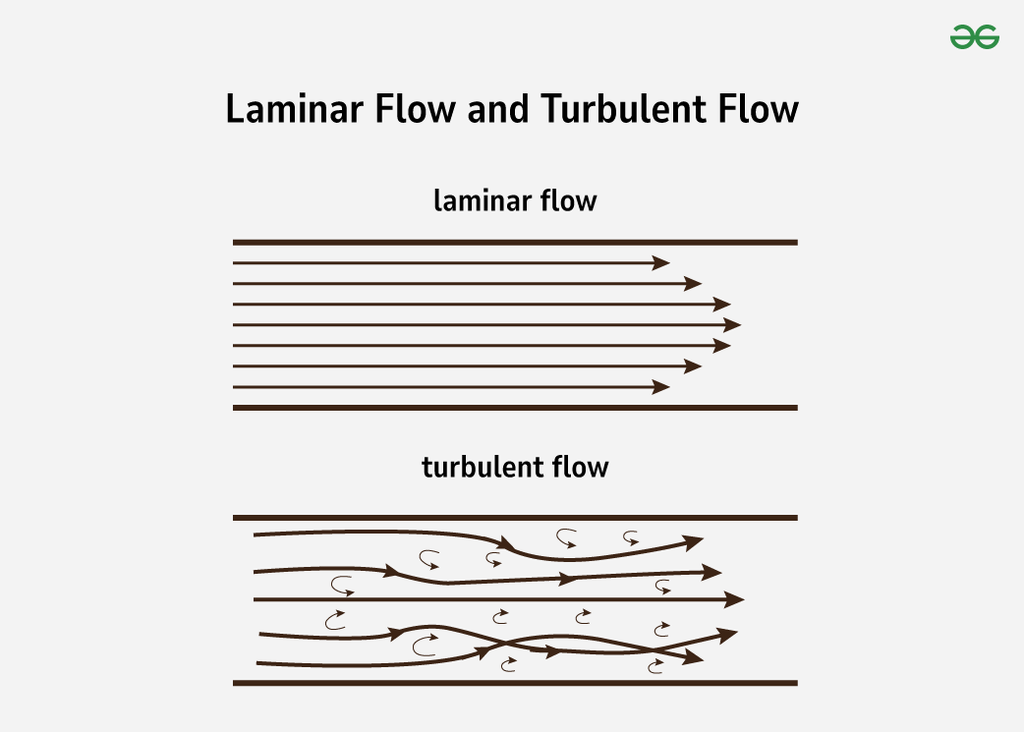
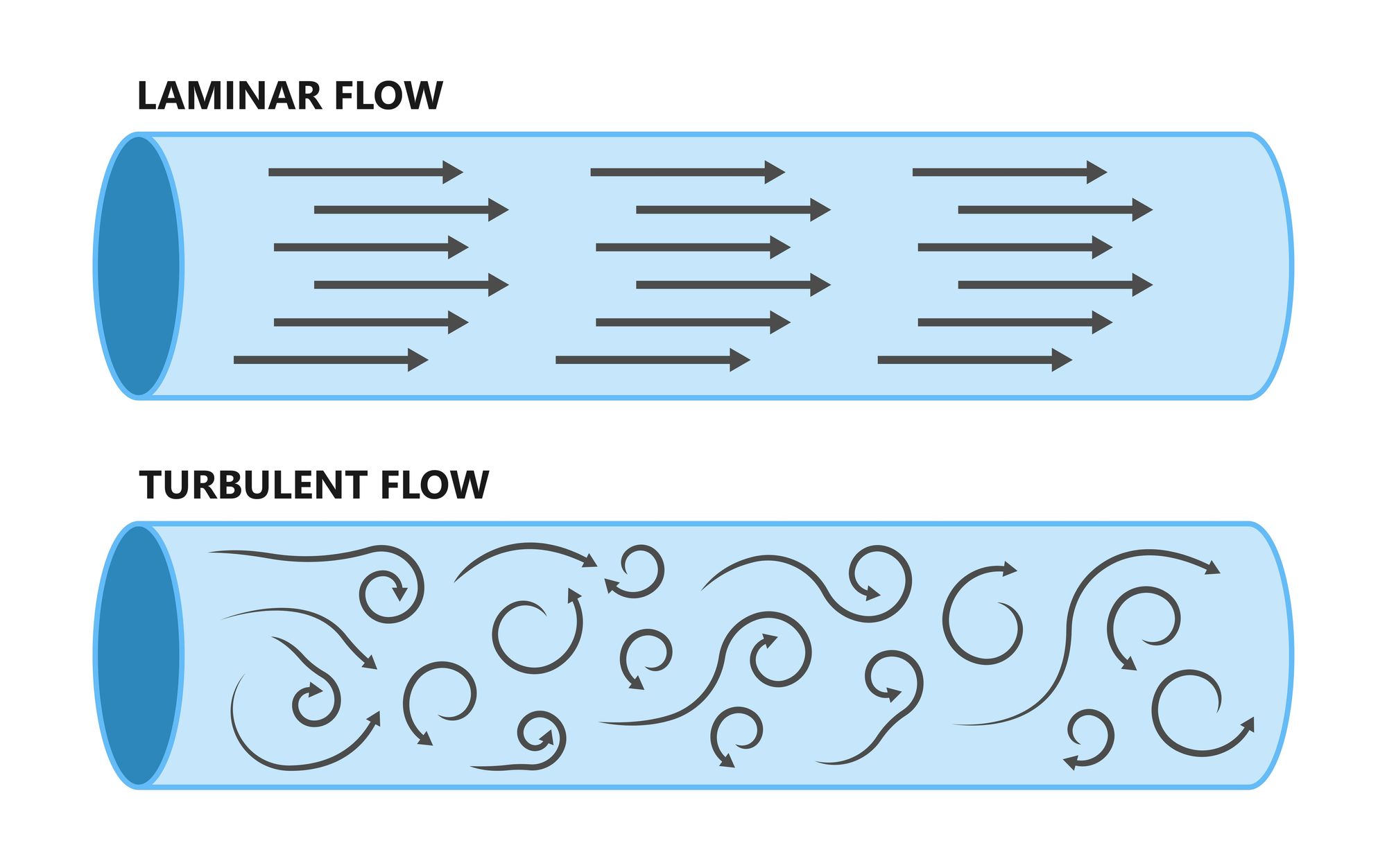
Let’s break down the core idea. Laminar flow is when fluid moves in neat, parallel layers, like a team of synchronized swimmers gliding without a splash. There’s no mixing, no sudden jolts—just silky smooth motion. In contrast, turbulent flow is all about chaos: swirls, eddies, and random fluctuations. Think of a river rapids or steam rising from a hot mug. The key advantage of laminar flow is efficiency—it uses less energy for smooth transport, like oil in a pipe. Turbulence, on the other hand, is great for mixing things, like blending cream into coffee or dispersing pollutants in air.
Now for the creative examples! Imagine you’re in the kitchen: opening a faucet slowly gives you a crystal-clear, glassy stream of water—pure laminar flow. Turn it on full blast, and the water breaks into a messy, splashing frenzy—turbulent flow. Another cool demo: drip honey from a spoon. At first, it stretches in a smooth rope (laminar), but if you raise the spoon higher, it twists and breaks apart (turbulent). Even smoke from a candle offers a live show: the thin, straight wisps near the flame are laminar, but as they rise and cool, they burst into swirling curls.
Must Read
Why does this matter in real life? For practical folks, laminar flow is a friend when you want precision—think medical IV drips or microchip manufacturing. Turbulence is your ally for mixing and heat transfer, which is why your radiator works better with turbulent air, and why washing machines churn clothes violently. The secret number engineers use is the Reynolds number, a ratio of inertia to viscosity. If it’s low (under 2000), you get smooth laminar flow; if it’s high (over 4000), chaos reigns.
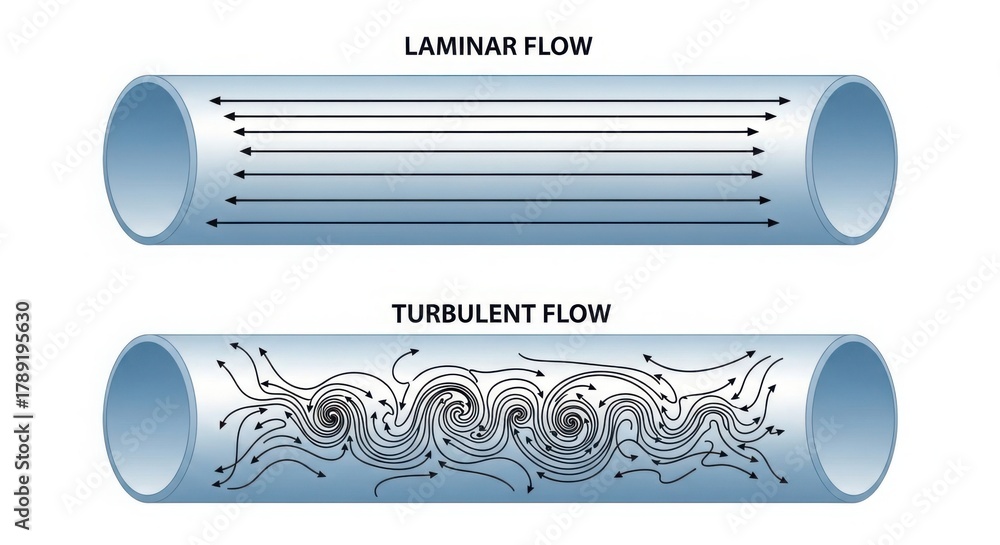 Diagram comparing laminar flow vs turbulent flow in a pipe illustrating
Want to try spotting these yourself? Here’s a fun tip: observe water in a clear bottle. Swirl it gently—notice the calming, layered movement? That’s laminar. Now shake it vigorously—the tiny tornadoes and bubbles are turbulence in action. For an elegant experiment, drip food coloring into still water. Drop it slowly: the color spreads like a ghostly cloud (laminar). Drop it fast: it shatters into wild streaks (turbulent). This is a beautiful way to see physics dance.
A final piece of advice: embrace both flows. In life, sometimes you need laminar calm—like when focusing on a task without distraction. Other times, you crave turbulent energy—like brainstorming or exercising. Master your own “flow” by knowing when to shift. Whether you’re designing a pipe system or just stirring your tea, remember: laminar is for smooth sailing, turbulent is for lively mixing. Have fun playing with fluids!