What Does Hsl Stand For

So you’re staring at a color picker. You see RGB, HEX, and then—wham!—HSL. What does that even mean? Is it a secret code? A new emoji? Relax. It’s just a super cool way to tal...
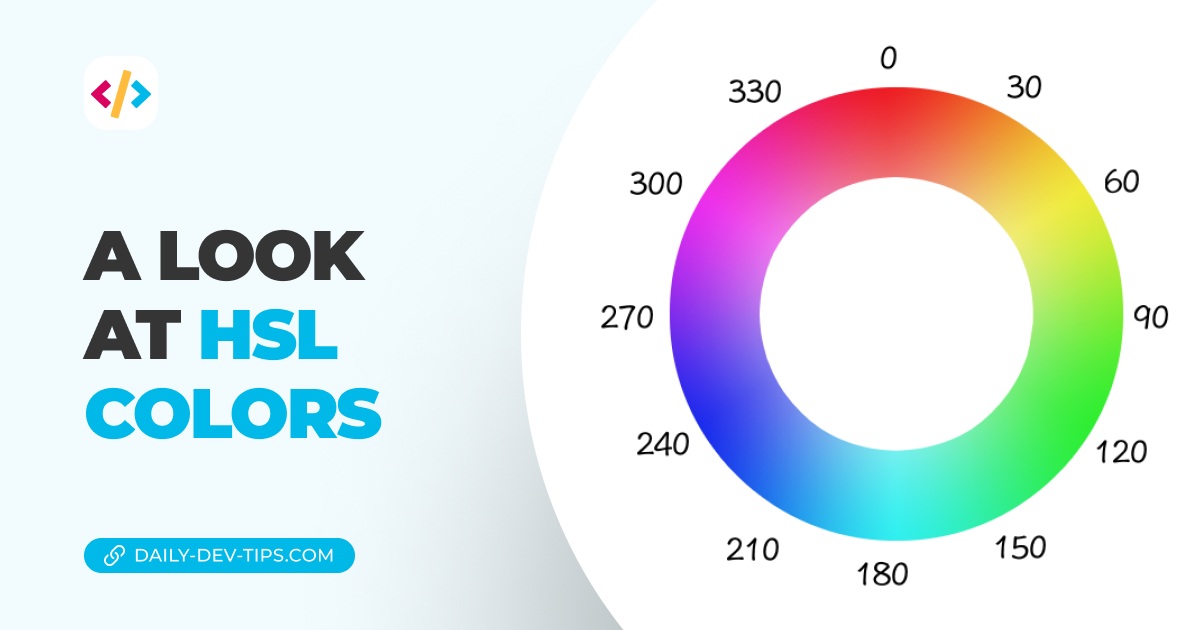
So you’re staring at a color picker. You see RGB, HEX, and then—wham!—HSL. What does that even mean? Is it a secret code? A new emoji? Relax. It’s just a super cool way to talk about color. And trust me, it’s way more fun than it sounds.
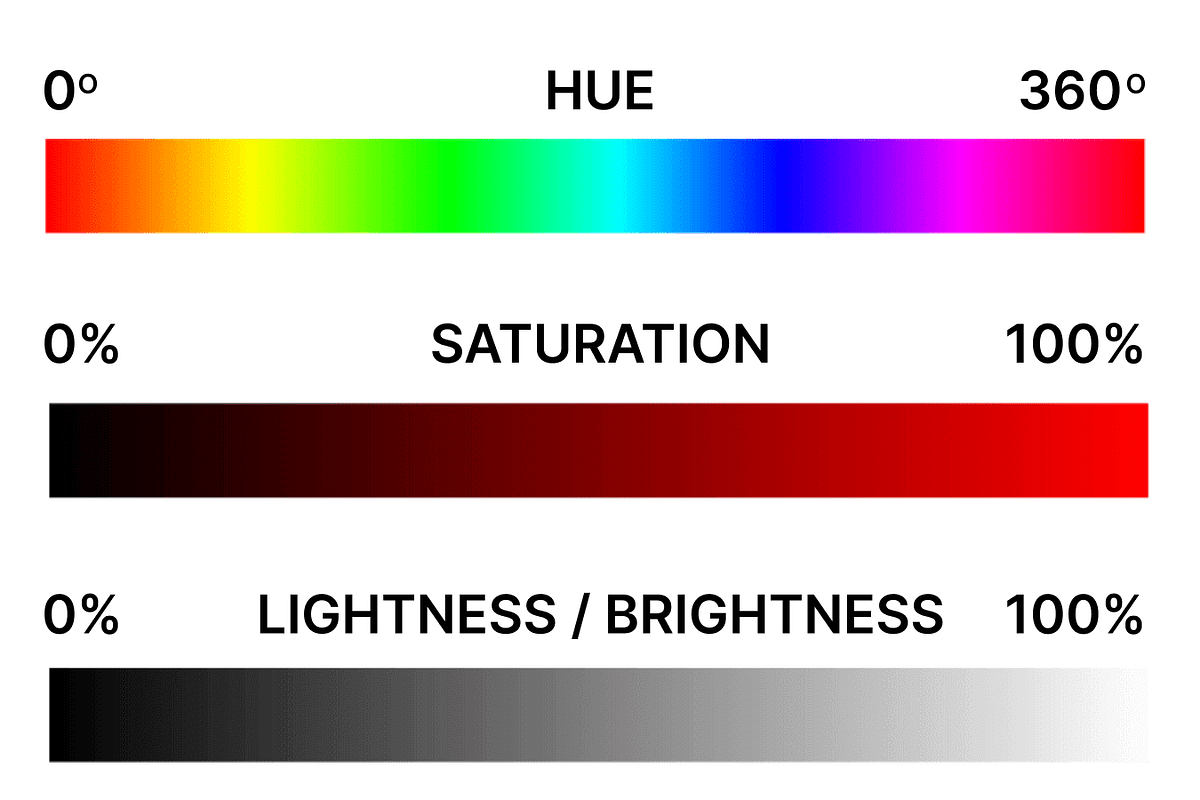
HSL stands for Hue, Saturation, and Lightness. Think of it as the personality test for colors. Hue is the color’s actual identity—like “blue” or “orange.” Saturation is how pure or muted that color is. Lightness? That’s just how dark or bright it feels.
Hue: The Color’s First Name
Hue is measured in degrees on a color wheel. Yes, a wheel. Zero degrees is red. 120 is green. 240 is blue. So red isn’t just red—it’s a rotary position in a 360-degree circle. Quirky fact: You can have a hue that’s exactly 199.5 degrees—because colors are that precise. Like a stylish math problem.
Must Read
Imagine telling a friend: “I’m feeling a 45-degree orange today.” They’d look at you funny. But designers? They nod. Mad respect.
Saturation: The Volume Knob
Saturation is all about intensity. It’s a percentage from 0% to 100%. At 0%, your color is a boring gray. Like a rainy Monday. At 100%? It screams, “Look at me!” Think of a neon sign versus a faded T-shirt. Same hue, totally different vibe.
 In CSS, The color can be specified using hue, saturation, and lightness
Funny detail: A fully saturated pink is aggressively cheerful. It’s the color of bubblegum and bad decisions at 2 AM. But drop saturation to 20%, and it becomes shy. It practically whispers, “I’m just a dusty rose, sorry.”
Lightness: The Mood Light
Lightness is also a percentage. 0% is pure black—like staring into a void. 100% is pure white—like a blank page that judges you. 50% is the “normal” version. So a hue at 50% lightness is the color you probably imagine. But slide it to 80%? Suddenly it’s pastel and dreamy. Slide to 20%? Moody and mysterious, like a detective’s trench coat.
Here’s the twist: HSL is intuitive. You don’t need to memorize hex codes. You just twist the dials. Want a deep, angry red? Crank hue to 0°, saturation to 100%, lightness to 30%. Done. You’re basically a color wizard now.
 The Branding Store | Logo Design, Web Design and E-commerce specialists
Why Bother With HSL?
Because RGB is for robots. HSL is for humans. When you say “make this blue slightly less blue but much lighter,” RGB makes you guess numbers. HSL says: lower saturation, raise lightness. It’s like speaking color slang.
Quirky fact: Your eyeballs actually process color more like HSL than RGB. Your brain sees “greenness” (hue), “vividness” (saturation), and “brightness” (lightness). So HSL is basically your eye’s native language. You’ve been thinking in HSL your whole life and didn’t know it. Mind. Blown.
But Wait—There’s Drama!
Not all browsers and tools agree on the exact math. Some HSL sliders have sass. And if you mix HSL with hex codes in the same project? Chaos. But that’s okay—it makes you feel like a hacker tweaking the matrix.
 What Does Hsla Stand For at Holly Bunny blog
Also, 100% lightness with 100% saturation? That’s just pure white or pure black, depending on the hue. It’s a party trick. Try it. Make a friend watch the screen. They’ll say, “Whoa, it’s invisible!” You’ll say, “That’s the power of HSL.”
The Real Fun Part
You can now describe colors like a pro. “I want a teal that’s 50% saturated and 60% light—so it’s calm but not boring.” That’s poetry to a designer’s ears. And when someone asks, “What does HSL stand for?” you can smirk and say, “Hue, Saturation, Lightness. Also, hilariously simple logic.”
So next time you pick a color, skip the random hex code. Play with HSL. Twist those dials. Make a color that’s exactly 42 degrees and 99% saturated—just because you can. It’s your canvas. Be a little ridiculous. That’s the whole point.
